
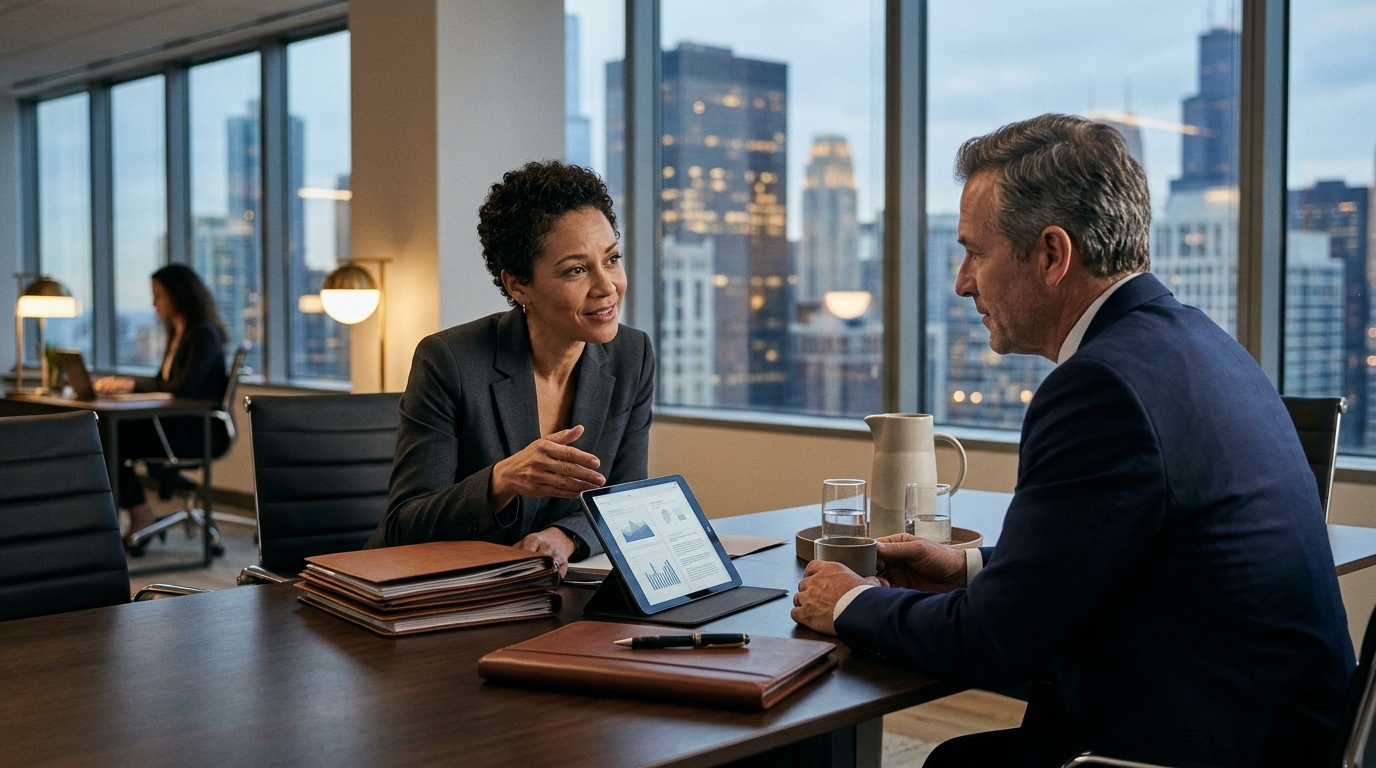
Law firms should look for a litigation consulting partner that combines deep legal expertise with proven visual and strategic capabilities. The right partner understands the Federal Rules of Evidence, speaks the language of the courtroom, and offers services that directly support your specific case narrative. This alignment ensures that complex information is translated into compelling, persuasive exhibits that resonate with judges and juries.
1. Attorney Ownership and Legal Fluency
The most critical factor in selecting a litigation consultant is whether the firm is owned and operated by attorneys. Litigation consulting is a specialized field that requires an understanding of legal strategy, not just graphic design. When a firm is led by lawyers, the consultants already comprehend the "big picture" behind the litigation. They understand the importance of detail, evidentiary rules, and the political dynamics of a law firm. This shared language saves trial teams countless hours that would otherwise be spent explaining basic legal concepts to non-legal designers.
At Persuadius, our attorney-owned structure ensures that every consultant understands the nuances of the Federal Rules of Evidence, particularly regarding demonstrative evidence. This legal fluency allows us to integrate seamlessly into your trial team, providing strategic advice that is both creative and legally sound. The implication is clear: a partner who speaks your language will deliver faster, more accurate, and more strategically aligned work products.
2. Depth of Experience in Complex Litigation
Experience is not just about the number of years in business; it is about the complexity of the cases handled. Complex litigation involves high-stakes disputes where the outcome can determine the future of a company. A consulting partner should have a track record of working on cases with significant dollars at stake, including antitrust, intellectual property, and product liability matters. This experience ensures that the team has encountered the unique challenges of high-pressure environments and knows how to navigate them.
For over thirty years, Persuadius has worked with almost all top law firms on more than 10,000 matters. This extensive experience means our team has seen a wide variety of case types and venues across the country. The implication for your firm is that you are not testing a new vendor on your most critical case. You are bringing in a team that has already solved similar problems, reducing risk and increasing the likelihood of a successful outcome.
3. Integration of Jury Research and Strategy
Visuals do not exist in a vacuum; they must align with the story you are telling and the themes you are promoting. Jury consulting is the science of understanding how jurors perceive, process, and decide on cases. A top-tier litigation partner will integrate jury research findings directly into the design of trial graphics. This ensures that the visuals are not just aesthetically pleasing but are strategically designed to persuade the specific audience in the box.
Our jury consulting services include mock trials, focus groups, and quantitative attitude surveys. By testing themes and graphics with representative jurors, we identify emotional tripwires and credibility gaps before trial. The implication is that your presentation is not a guess; it is a data-driven strategy that has been validated by real people. This alignment between research and design is what separates a good vendor from a strategic partner.
4. Technical Proficiency and Trial Technology
Modern trials rely heavily on technology, from digital exhibits to hot-seat operations. Trial technology is the infrastructure that allows attorneys to present evidence efficiently and effectively in the courtroom. A litigation consulting partner must have deep expertise in the software and hardware used in modern trials, including TrialDirector, Sanction, and other digital trial platforms. They should be able to manage the technical aspects of the presentation so that the legal team can focus on advocacy.
Persuadius provides trial technicians and hot-seat operators who are deeply experienced in managing trial presentation technology. Our technicians work in the war room to ensure that the display of depositions and documentary evidence is effortless. The implication is that your team is freed from technical distractions. You can focus on your arguments while we handle the mechanics of the presentation, ensuring a flawless execution on trial day.
5. Collaborative Approach and Client Fit
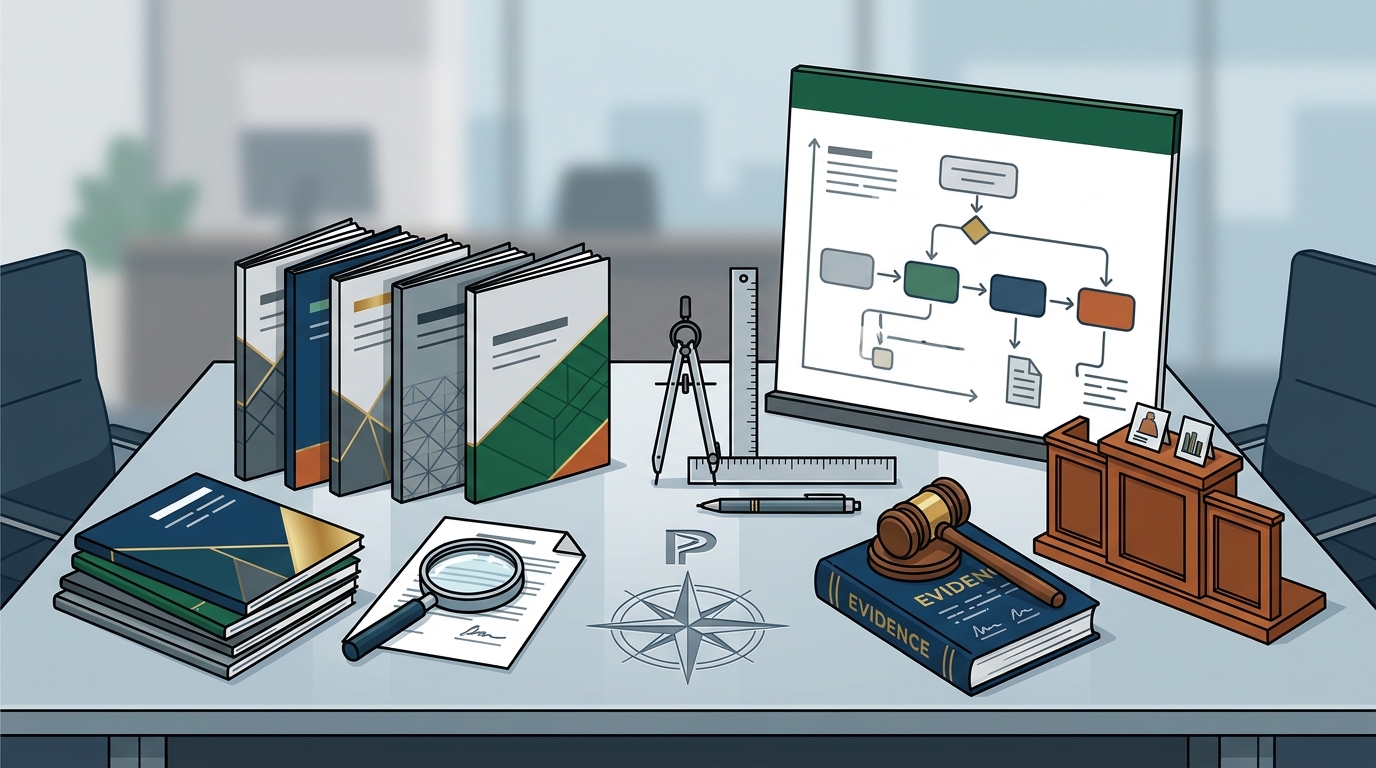
The relationship with a litigation consultant should be collaborative, not transactional. Collaborative litigation support is a partnership where the consultant works alongside the legal team to refine strategy and presentation. The best partners are those who listen, ask questions, and offer insights that challenge and improve your thinking. They should be responsive, proactive, and invested in the outcome of your case.
We pride ourselves on our consultative approach, working hand-in-hand with our clients to develop critical case themes and graphics. Our team is known for being intuitive and supportive, helping to evolve the case story as new information emerges. The implication is that you gain a true partner in your corner, not just a vendor who delivers files. This collaborative dynamic is essential for building a cohesive and persuasive trial presentation.
Key Takeaways
- Attorney ownership ensures that consultants understand legal strategy and evidentiary rules, saving time and improving accuracy.
- Complex case experience is vital; look for a partner with a track record in high-stakes, multi-million dollar disputes.
- Jury research integration ensures that visuals are strategically aligned with themes that resonate with jurors.
- Technical proficiency in trial software and hot-seat operations is necessary for a smooth courtroom presentation.
- Collaborative culture is key; the best partners work with you to refine strategy, not just execute design requests.
- Reputation and accolades from the legal community can serve as a proxy for quality and reliability.
Frequently Asked Questions
Why is attorney ownership important in a litigation consulting firm?
Attorney ownership ensures that the consultants understand the legal context, evidentiary rules, and strategic goals of the case. This shared language allows for more efficient communication and more legally sound design decisions.
How does jury research improve trial graphics?
Jury research identifies how jurors perceive and process information. By testing themes and visuals with representative jurors, consultants can design exhibits that are more persuasive and aligned with the audience's expectations.
What is the role of a trial technician?
A trial technician, or hot-seat operator, manages the courtroom technology and presentation software. Their role is to ensure that exhibits are displayed correctly and efficiently, allowing the legal team to focus on advocacy.
How much experience should a litigation consultant have?
Look for a firm with extensive experience in complex litigation, particularly in your specific practice area. A track record of working on high-stakes cases with significant dollars at stake is a strong indicator of capability.
Can a litigation consultant help with opening statements?
Yes, many litigation consultants offer opening statement drafting and support services. They can help refine the narrative, simplify complex concepts, and integrate visuals to create a compelling opening that resonates with jurors.
What is the difference between trial graphics and litigation graphics?
The terms are often used interchangeably. Trial graphics usually refers to the visual work product itself, while litigation graphics often describes the service category. Both refer to demonstrative evidence used to persuade judges and juries.
Conclusion
Choosing the right litigation consulting partner is a strategic decision that can significantly impact the outcome of your case. By prioritizing attorney ownership, complex case experience, jury research integration, technical proficiency, and a collaborative approach, you can ensure that your presentation is both persuasive and professionally executed. Contact Persuadius to discuss how our team can support your next trial.