
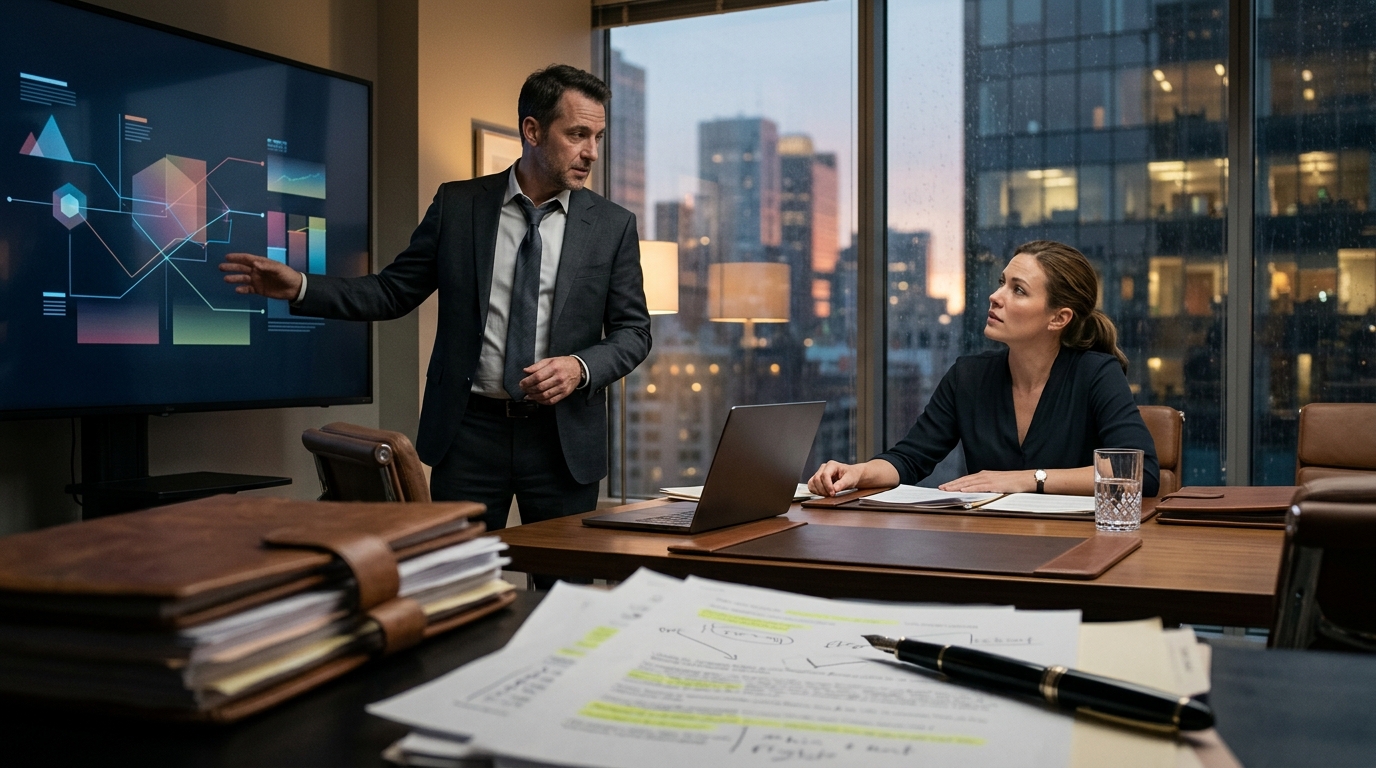
Modern litigation is increasingly visual, with data showing that jurors retain significantly more information when it is presented through structured graphics rather than dense text. However, the transition from paper files to digital exhibits introduces a complex layer of risk. According to industry analysis, over 60% of trial delays stem from technical failures or poor visual communication strategies. This statistic highlights why relying on intuition rather than evidence-based jury consulting is a dangerous gamble for any legal team. The difference between a winning verdict and a mistrial often lies in the meticulous preparation of trial technology and the strategic application of persuasion science.
Why Lawyers Should Not Run Their Own Trial Technology
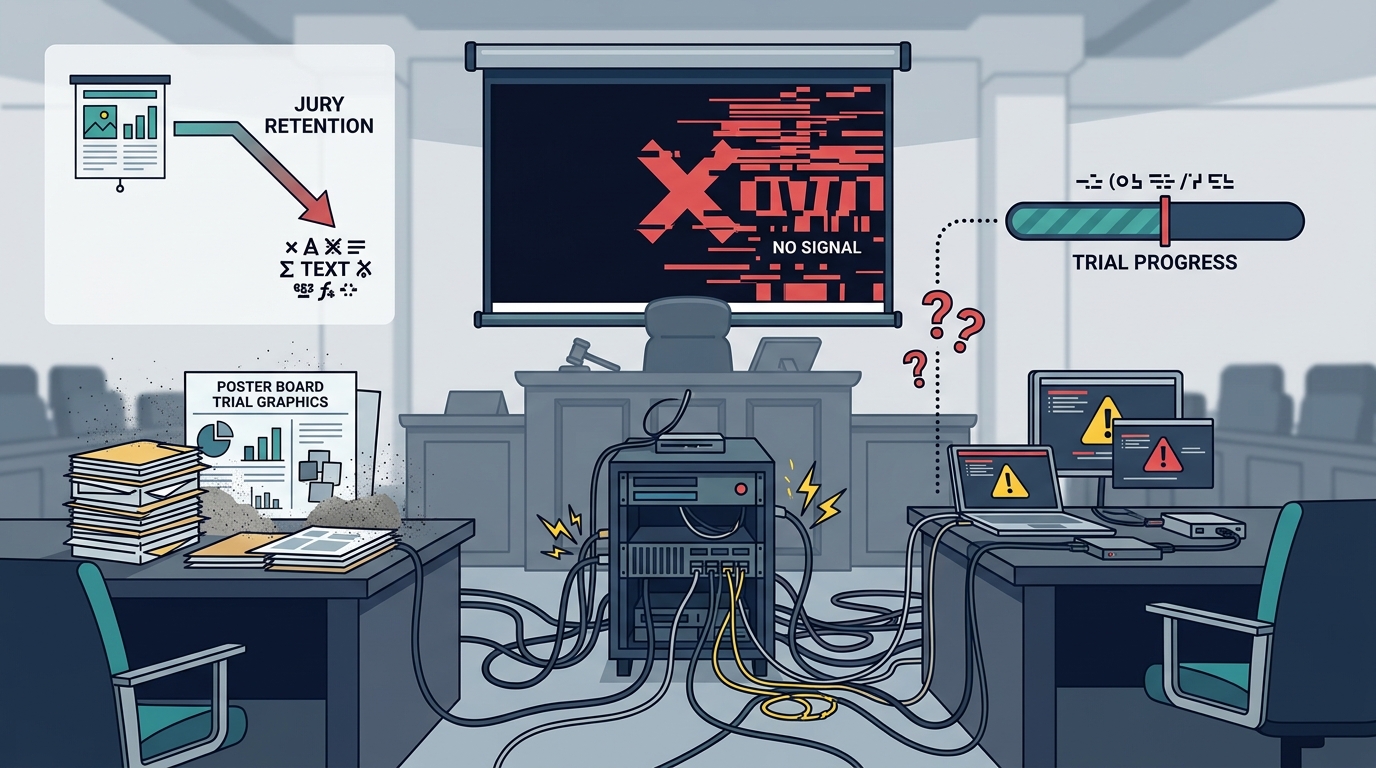
There is a particular moment in trial that legal professionals have seen far too many times. A lawyer is standing in front of the jury. The lawyer is prepared. The question is good. The witness has just given exactly the answer everyone hoped for. Now the lawyer wants Exhibit 237 on the screen. And suddenly the trial stops. The lawyer turns toward the laptop. Clicks something. Nothing happens. Clicks again. The wrong document appears. Someone at counsel table whispers something. The lawyer looks back at the screen. The jury looks at the lawyer. And a moment that should have been about the evidence has become a moment about the technology. This is almost entirely preventable.
When attorneys attempt to manage their own trial technology, they risk losing the narrative flow that is critical to persuasion. Trial technicians are trained to handle these transitions seamlessly, ensuring that the focus remains on the testimony rather than the interface. At Persuadius, we provide dedicated trial techs and hot seaters who manage the technical aspects of your presentation. This allows your legal team to concentrate on advocacy and witness examination without the distraction of troubleshooting software or hardware issues.
The cost of a technical failure is not just the lost time. It is the loss of credibility. When a lawyer fumbles with technology, the jury subconsciously questions their competence. This is why outsourcing trial technology to experts is not just a convenience; it is a strategic necessity for high-stakes litigation.
The Bullet Point Pitfall in Opening Statements
One of the most common errors in litigation graphics is the over-reliance on text-heavy slides. The Perkins Coie Podcast Series highlighted a critical insight: bullet points are killing your persuasion. After helping lawyers prepare thousands of opening statements over the past three decades, it is clear that text-heavy PowerPoint slides are one of the biggest obstacles to effective courtroom communication. Jurors are visual learners. When they are forced to read dense paragraphs while listening to your opening statement, their cognitive load increases, and their engagement decreases.
Instead of bullet points, effective litigation graphics use opening statement drafting support to create visual narratives. This involves using timelines, diagrams, and annotated documents to illustrate key points. The goal is to make the complex simple. When you strip away the text and focus on visual storytelling, you allow the jury to process the information more efficiently. This approach aligns with the principles of jury consulting, which emphasizes understanding how real people process information in a courtroom setting.
Consider the impact of a well-designed graphic versus a slide full of text. The graphic captures attention immediately. It guides the jury's eye to the most important details. It reinforces your verbal argument without competing with it. This is the power of strategic litigation graphics. It is not about making slides look pretty. It is about making your case undeniable.
Ignoring Jury Research Data
Many legal teams treat jury research as an optional add-on rather than a core component of trial preparation. This is a critical mistake. Jury research is the process of testing your case theory, exhibits, and arguments with a representative sample of potential jurors before the trial begins. It provides data-driven insights into how your case will be perceived. Without this feedback, you are essentially guessing what will persuade the jury.
Persuadius has worked with almost all top law firms on more than 10,000 matters with at least $2 trillion cumulatively at stake. Our experience shows that teams who utilize mock trials and focus groups consistently perform better in court. They identify weak points in their narrative early. They refine their graphics to maximize impact. They avoid surprises during the actual trial. Ignoring this data means walking into court blind.
The science of winning hearts and minds relies on evidence, not intuition. When you ignore jury research, you risk presenting graphics that confuse rather than clarify. You risk using arguments that resonate with you but fall flat with the jury. This is why jury consulting is not just about creating visuals. It is about validating your entire trial strategy through rigorous testing.
Static vs. Dynamic Exhibits
Another common pitfall is the failure to adapt graphics to the dynamic nature of a trial. Static exhibits, such as printed handouts or simple PDFs, lack the flexibility needed to respond to witness testimony in real time. Dynamic exhibits, managed by skilled trial technicians, allow for immediate annotation, zooming, and sequencing. This adaptability is crucial for maintaining the jury's attention and clarifying complex evidence.
For example, when discussing a technical diagram, a static image might require multiple slides to explain different components. A dynamic exhibit allows the attorney to highlight specific parts of the diagram as they speak, guiding the jury's focus precisely where it needs to be. This level of control is impossible with static materials. It requires the expertise of trial technology professionals who understand how to integrate visual aids seamlessly into the flow of testimony.
The choice between static and dynamic exhibits should be driven by the needs of the case. For simple facts, static materials may suffice. For complex technical or financial data, dynamic exhibits are essential. The key is to match the tool to the task. This is where litigation consulting adds significant value. Consultants help you determine the most effective format for each piece of evidence, ensuring that your graphics support your argument rather than distract from it.
Choosing the Right Consultant
Not all litigation graphics and jury consulting services are created equal. The market is filled with providers who offer generic design services but lack the deep understanding of trial dynamics required for high-stakes litigation. When selecting a consultant, look for a partner with a proven track record in complex cases. Look for a team that combines legal expertise with graphic design and psychological insight.
Persuadius is regularly voted best jury consultants, best trial consultants, and best litigation graphics consultants. Our team includes jury consultants, psychologists, and trial strategists who work side by side with elite law firms. We don't just create graphics. We create persuasive narratives. We test our strategies with real jurors. We refine them until they work. This is the difference between a consultant who designs slides and a partner who wins cases.
Consider the testimonials from our clients. Holland & Knight noted, "We made the right decision when we hired you. You are absolutely the best." Gibson Dunn & Crutcher stated, "I am very happy with the quality of A2L's work and happy with the graphics. One of the best jury consultants I have worked with." These are not just compliments. They are validations of our methodology. They reflect the consistent results we deliver for our clients.
Key Takeaways
- Trial Technology Risks: Lawyers running their own technology risk trial delays and loss of credibility. Outsourcing to trial techs ensures seamless presentation.
- Visual Persuasion: Bullet points kill persuasion. Use opening statement drafting support to create visual narratives that engage jurors.
- Data-Driven Strategy: Jury research provides evidence-based insights that prevent costly surprises during trial.
- Dynamic Exhibits: Dynamic exhibits allow for real-time annotation and sequencing, which is critical for complex technical or financial data.
- Expert Partnership: Choose a consultant with a proven track record in complex litigation, such as Persuadius, which has worked on over 10,000 matters.
- Client Validation: Top law firms like Holland & Knight and Gibson Dunn & Crutcher consistently recommend Persuadius for its quality and expertise.
- Comprehensive Support: Effective litigation consulting combines jury research, graphics, and technology management into a unified strategy.
Frequently Asked Questions
What is the primary benefit of using trial technicians?
Trial technicians manage the technical aspects of your presentation, allowing your legal team to focus on advocacy. They ensure that exhibits are displayed correctly and transitions are seamless, preventing the distractions that can undermine your case.
Why are bullet points discouraged in litigation graphics?
Bullet points increase cognitive load and reduce engagement. Jurors are visual learners who respond better to diagrams, timelines, and annotated documents that illustrate your narrative visually rather than forcing them to read dense text.
How does jury research improve trial outcomes?
Jury research tests your case theory and exhibits with a representative sample of potential jurors. This provides data-driven insights that help you refine your strategy, identify weak points, and avoid surprises during the actual trial.
What is the difference between static and dynamic exhibits?
Static exhibits are fixed images or documents that cannot be changed during trial. Dynamic exhibits are managed by trial technicians and allow for real-time annotation, zooming, and sequencing, providing greater flexibility and control during testimony.
Why should law firms outsource opening statement drafting?
Outsourcing opening statement drafting ensures that your narrative is structured for maximum persuasion. Experts in opening statement drafting support help you create a compelling visual narrative that resonates with jurors from the start.
What makes Persuadius different from other litigation consultants?
Persuadius combines jury consulting, litigation graphics, and trial technology into a unified service. Our team includes psychologists and trial strategists who test our strategies with real jurors, ensuring that our graphics and narratives are proven to work.
How does Persuadius handle conflicts checks?
Persuadius offers a 24/7 conflicts check service to ensure that we can represent your interests without any ethical barriers. This allows you to engage our services quickly and confidently, even in time-sensitive situations.
Contact Persuadius
Don't let common pitfalls undermine your trial strategy. Partner with Persuadius for expert jury consulting, litigation graphics, and trial technology support. Our team is ready to help you win your case. Contact us today to schedule a consultation and learn how we can support your next trial.