

What role should storytelling play in your trial graphics strategy?
Storytelling should serve as the structural backbone of your trial graphics strategy. It transforms static data into a narrative arc that guides the fact-finder through complex evidence. By aligning visual design with a clear story, you ensure that every graphic supports a specific plot point rather than merely displaying information. This approach helps jurors understand the sequence of events and the causal relationships between them. according to Memory Strategy Storytelling
The Narrative Framework for Visual Evidence
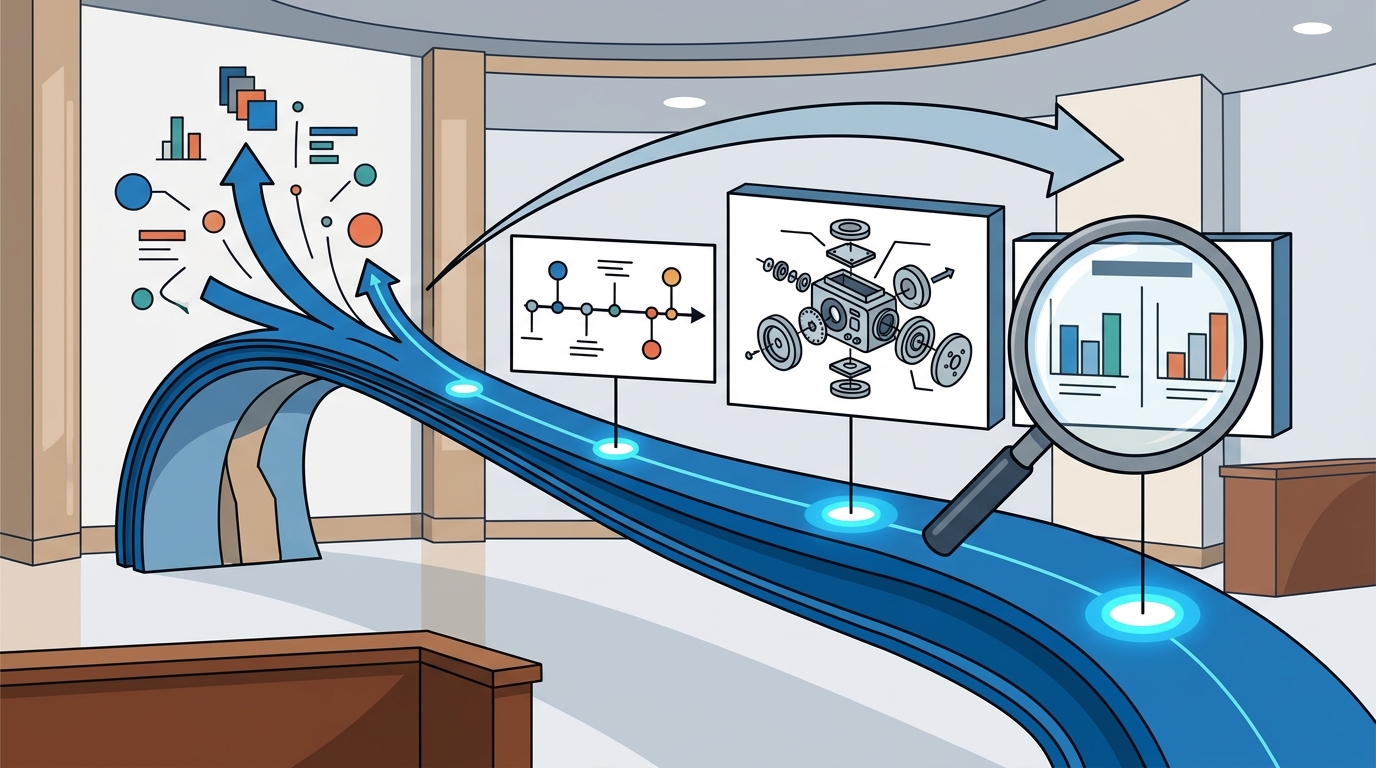
Effective trial graphics do not exist in a vacuum. They must fit within a broader narrative structure that includes characters, conflict, and resolution. A trial graphic is a visual tool that conveys a specific piece of the story to the audience. When you design a timeline or a diagram, you are not just showing data; you are advancing the plot. For example, a timeline of corporate policy changes can illustrate the conflict between a company's stated values and its actual practices. This visual evidence helps the fact-finder see the progression of events clearly.
Aligning Visuals with Story Beats
Each graphic should correspond to a specific beat in your trial narrative. This alignment ensures that the visual aids reinforce the verbal arguments made by counsel. Consider a case involving a product defect. A cross-section diagram of the product can serve as a visual beat that explains the mechanism of failure. This specific visual element supports the claim that the defect was inherent to the design. By mapping graphics to story beats, you create a cohesive presentation that is easier for the jury to follow and remember.
Simplifying Complexity Through Narrative
Complex legal and technical concepts often overwhelm fact-finders. Storytelling provides a framework for simplifying this complexity. A trial graphic is a method of breaking down intricate information into digestible visual components. For instance, in a patent infringement case, a flowchart can illustrate the steps of a patented process. This visual simplification allows the jury to understand the technical details without needing to be experts. The narrative context explains why each step matters, making the technical information accessible and relevant to the case outcome. according to Memory Strategy Storytelling
Emotional Resonance and Visual Persuasion
Storytelling engages the emotional side of the brain, which is crucial for persuasion. Visuals that evoke an emotional response can make the story more memorable. A photograph or a video clip can serve as a powerful visual element that humanizes the parties involved. For example, a video of a witness describing their experience can create an emotional connection with the jury. This emotional resonance, combined with clear visual evidence, strengthens the persuasive impact of the trial presentation. The goal is to make the fact-finder care about the outcome, not just understand the facts.
Testing the Narrative with Mock Trials
Before trial, it is essential to test how the narrative and visuals work together. Mock trials provide a valuable opportunity to see how jurors respond to the story and the graphics. A mock trial is a simulation of the actual trial that allows you to gather feedback on your presentation. By observing how jurors interact with the visuals, you can identify areas where the narrative may be unclear. This feedback helps you refine the graphics and the story to ensure maximum impact. Testing the narrative with real people helps you avoid assumptions about how the jury will perceive your case.
Key Takeaways
- Storytelling should be the structural backbone of your trial graphics strategy.
- Each graphic must align with a specific beat in the trial narrative.
- Visuals help simplify complex technical and legal concepts for the fact-finder.
- Emotional resonance in visuals can enhance the persuasive impact of the story.
- Mock trials are essential for testing the effectiveness of the narrative and visuals.
- A cohesive narrative ensures that the jury understands the sequence of events.
- Aligning visuals with the story helps the fact-finder remember key points.
Frequently Asked Questions
How do I integrate storytelling into my trial graphics?
What is the primary purpose of trial graphics in a narrative?
The primary purpose is to advance the plot by visually conveying specific pieces of the story. They help the fact-finder understand the sequence of events and the causal relationships between them.
Can trial graphics be used to evoke emotion?
Yes, visuals can evoke emotional responses that make the story more memorable. However, the emotional impact should always be supported by clear and accurate visual evidence.
How do I test the effectiveness of my narrative and visuals?
Use mock trials to observe how jurors respond to the story and the graphics. Gather feedback on clarity and impact, and refine your presentation based on their reactions. according to Effect of play
What types of visuals are best for simplifying complex concepts?
Flowcharts, diagrams, and timelines are effective for simplifying complex technical and legal concepts. These visuals break down intricate information into digestible components that are easy to understand.
How does storytelling help with jury retention?
Storytelling engages the brain in a way that makes information more memorable. By aligning visuals with a clear narrative, you help the jury retain key points and recall them during deliberations.What role should storytelling play in your trial graphics strategy?
Storytelling should serve as the structural backbone of your trial graphics strategy. It transforms static data into a narrative arc that guides the fact-finder through complex evidence. By aligning visual design with a clear story, you ensure that every graphic supports a specific plot point rather than merely displaying information. This approach helps jurors understand the sequence of events and the causal relationships between them.