

Does Your Trial Tech Provider Meet All the Legal and Regulatory Requirements Your Cases Demand?
Yes, a compliant trial tech provider must adhere to strict data security, ethical, and evidentiary standards. Persuadius ensures your trial technology meets these rigorous legal and regulatory requirements. This protects your client data and maintains the integrity of your courtroom presentation. according to Exhibit A Top
The Ethical Duty to Vet Technology Providers
Attorneys have a professional obligation to protect client information. When you entrust your law firm’s data to a third party, you have an ethical duty to vet the technology provider hosting and storing your data thoroughly. This duty extends beyond simple software functionality to encompass the provider's overall security posture. The American Bar Association emphasizes that this vetting process is a critical component of modern legal practice. Failure to do so can expose your firm to significant liability and reputational damage.
Understanding Data Custody
Data custody is the legal responsibility for maintaining the integrity and confidentiality of client information. When a trial tech provider hosts your exhibits, depositions, and case files, they become custodians of this sensitive data. You must ensure their custody practices align with your firm's internal policies and applicable state bar rules. This alignment prevents unauthorized access and ensures data remains secure throughout the litigation lifecycle.
Regulatory Standards in Legal Technology
Legal technology is subject to evolving regulatory frameworks that govern data handling and privacy. The American Bar Association regularly releases surveys analyzing technology adoption and usage trends within the legal profession. These reports highlight the increasing complexity of regulatory compliance for legal teams. Providers must stay current with these trends to offer solutions that meet the highest standards of legal ethics and data protection.
Cloud Computing and Data Privacy
Cloud computing is a model of delivering computing services over the internet. Many trial tech providers use cloud infrastructure to store and process case data. However, this introduces specific regulatory considerations regarding data location and access. You must verify that your provider's cloud environment complies with relevant privacy laws and security standards. This ensures that your data is not exposed to unnecessary risks or regulatory violations.
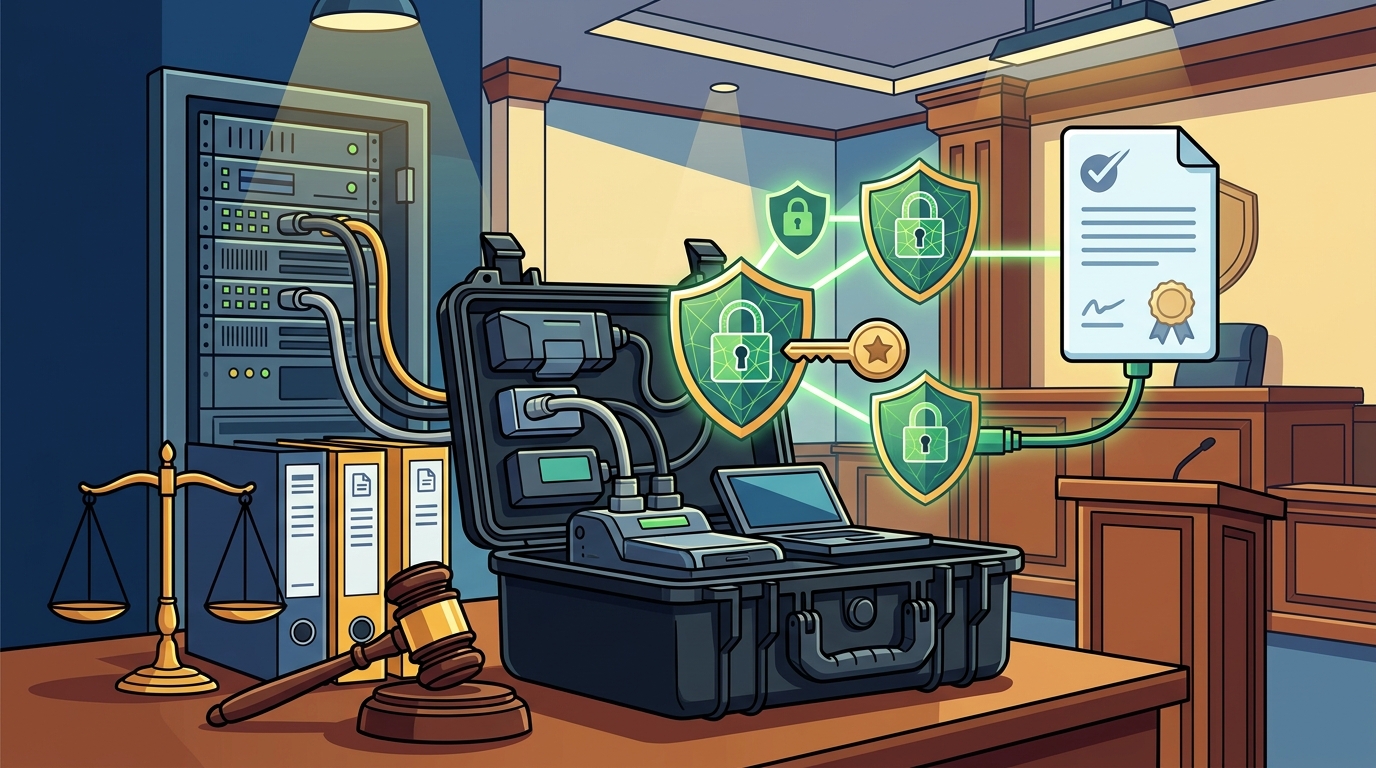
Security Protocols and Data Integrity
Access Control and Authentication
Evidentiary Standards and Presentation Integrity
Trial technology must meet specific evidentiary standards to be admissible in court. This includes ensuring that digital exhibits are authentic and unaltered. Persuadius adheres to these standards by maintaining a secure chain of custody for all digital evidence. This ensures that your exhibits are presented in a manner that is both legally sound and technically accurate. By meeting these standards, you avoid potential objections and maintain the credibility of your case.
Authentication of Digital Exhibits
Authentication is the process of verifying the identity of a user, device, or process. In the context of trial technology, it involves verifying the authenticity of digital exhibits. Providers must use secure methods to ensure that exhibits have not been tampered with. This includes using digital signatures and hash values to verify file integrity. These techniques provide a reliable method for proving the authenticity of digital evidence in court.
Choosing a Compliant Trial Tech Partner
Selecting a trial tech provider requires careful consideration of their compliance posture. You should ask about their security certifications, data handling practices, and regulatory adherence. Persuadius offers a comprehensive approach to trial technology that prioritizes compliance and security. Our team of experienced trial technicians ensures that your presentation meets all legal and regulatory requirements. By choosing a compliant provider, you protect your firm and enhance your courtroom performance.
Due Diligence Questions
Due diligence is the process of conducting a thorough investigation before making a decision. When evaluating a trial tech provider, you should ask specific questions about their compliance practices. This includes inquiries about their data security measures, regulatory certifications, and incident response plans. By asking these questions, you can assess the provider's commitment to compliance and determine if they meet your firm's standards.
Key Takeaways
- Attorneys have an ethical duty to vet trial tech providers for data security and compliance.
- Legal technology is subject to evolving regulatory frameworks that require ongoing attention.
- Robust security protocols, including encryption and access controls, are essential for data protection.
- Trial technology must meet evidentiary standards to ensure the admissibility of digital exhibits.
- Choosing a compliant provider like Persuadius protects your firm and enhances courtroom performance.
- Due diligence is critical when selecting a trial tech provider to ensure they meet your standards.
Frequently Asked Questions
What are the primary legal requirements for trial tech providers?
Primary legal requirements include data security, privacy protection, and adherence to evidentiary standards. Providers must ensure that client data is secure and that digital exhibits are authentic and unaltered.
How does a trial tech provider ensure data security?
Providers ensure data security through encryption, access controls, and regular security audits. These measures protect client data from unauthorized access and breaches.
What is the role of the American Bar Association in legal technology compliance?
The American Bar Association provides guidance and surveys on legal technology trends and compliance. Their resources help attorneys understand the evolving regulatory landscape and best practices for data protection. according to ABA releases new
Why is data custody important in trial technology?
Data custody is important because it defines the legal responsibility for maintaining the integrity and confidentiality of client information. Providers must align their custody practices with firm policies and bar rules.
How can I verify a trial tech provider's compliance?
You can verify compliance by asking about their security certifications, data handling practices, and regulatory adherence. Conducting due diligence and reviewing their security protocols is essential.
What are the risks of using a non-compliant trial tech provider?
Risks include data breaches, regulatory violations, and potential liability for unauthorized access to client data. Non-compliant providers can also compromise the integrity of your trial presentation.
How does Persuadius ensure compliance with legal and regulatory requirements?
Persuadius ensures compliance by implementing robust security protocols, adhering to evidentiary standards, and maintaining a secure chain of custody for all digital evidence. Our team prioritizes compliance and security to protect your firm and enhance your courtroom performance.
Conclusion
Ensuring your trial tech provider meets all legal and regulatory requirements is essential for protecting your firm and your clients. Persuadius is committed to providing compliant and secure trial technology solutions. Contact Persuadius to learn more about how we can support your trial presentation with confidence and compliance.