
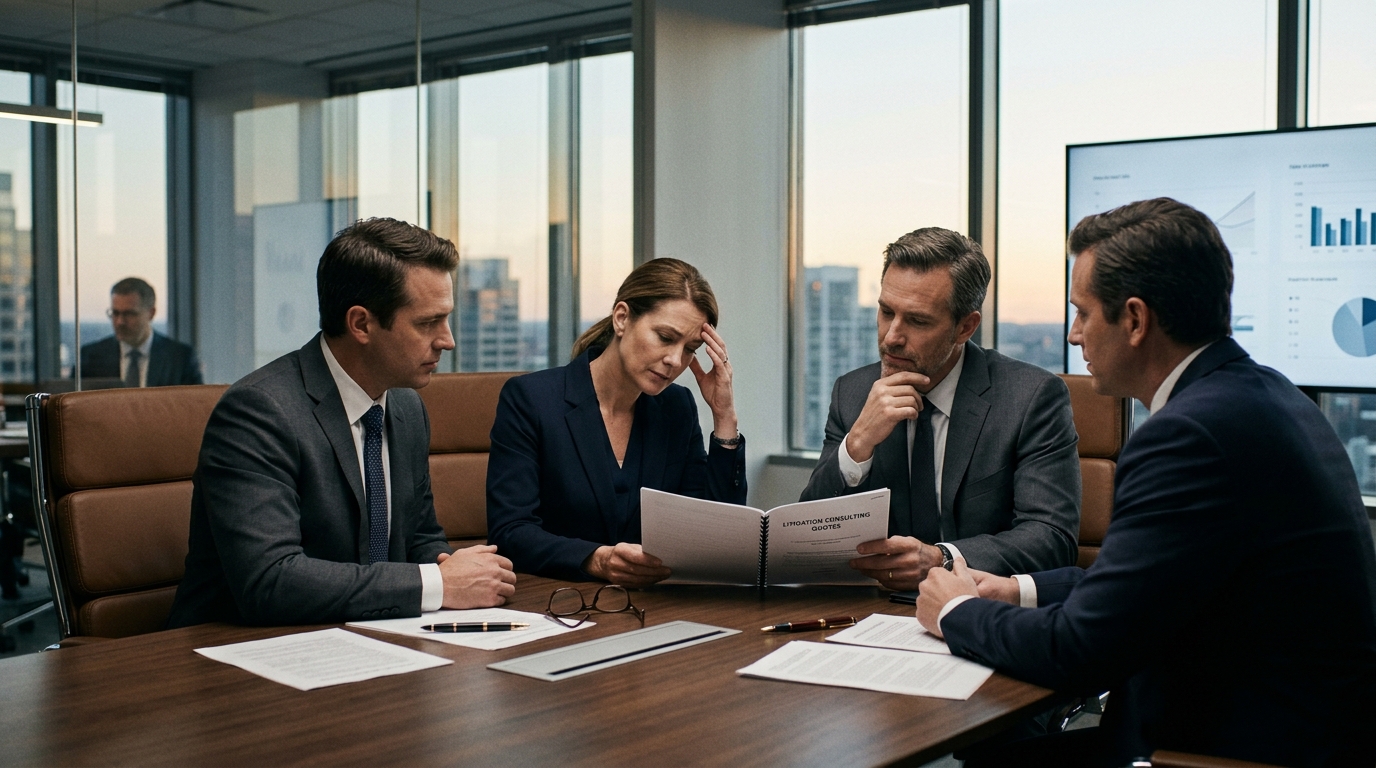
Securing the right litigation consulting partner is a critical strategic decision that can influence the outcome of high-stakes cases. According to industry data, firms that engage specialized consultants early in the discovery phase see a measurable improvement in case preparation efficiency. However, the initial request for proposal (RFP) process is often where these partnerships falter. Many attorneys inadvertently undermine their own case strategy by submitting vague or incomplete requests. This guide outlines the most frequent errors litigators make when seeking quotes for jury research, trial graphics, and trial technology services, and provides actionable steps to ensure you receive accurate, high-value proposals.
Why Vagueness Hurts Your Case Strategy
One of the most common mistakes is providing insufficient context about the case. Litigation consulting is not a commodity service like office supplies. It is a highly specialized field that requires deep understanding of the subject matter, the jurisdiction, and the opposing counsel's likely strategy. When you request a quote without detailing the nature of the dispute, the consultant cannot accurately assess the resources required.
For example, a complex commercial dispute involving patent infringement requires different expertise than a personal injury case involving medical malpractice. Jury consulting is persuasion science in action, as noted by industry experts. Without specific details, consultants may either underquote, leading to scope creep later, or overquote to cover their uncertainty. To avoid this, provide a comprehensive case summary, including key dates, critical exhibits, and the specific legal theories you are advancing. This allows firms like Persuadius to tailor their approach to your unique needs.
The Timing Error: Waiting Too Long
Another critical error is waiting until the last minute to request quotes. Effective litigation consulting requires time for thorough analysis. Mock trials and focus groups are not quick fixes; they are rigorous scientific processes that involve recruiting participants, designing scenarios, and analyzing data. If you wait until the week before trial to request a quote, you may find that the best consultants are already booked.
Early engagement allows consultants to identify potential weaknesses in your case before they become fatal flaws. It also gives you time to refine your trial strategy based on the insights gained from preliminary research. According to legal industry reports, firms that engage consultants during the discovery phase are better prepared for trial. This proactive approach ensures that you are not scrambling for resources when the pressure is highest.
Scope Misalignment: Graphics vs. Research
Attorneys often conflate different types of litigation consulting services. It is essential to distinguish between jury research, litigation graphics, and trial technology. Each service requires different expertise and resources. Requesting a single quote for all three without clarifying the scope can lead to confusion and inaccurate pricing.
For instance, litigation graphics consulting focuses on creating demonstrative exhibits that simplify complex information for jurors. This is distinct from trial technology, which involves the hardware and software used to present evidence in court. Understanding this distinction helps you request the right services. If you need help with opening statement drafting, that is a separate service from graphic design. Clearly defining your needs ensures that you receive a proposal that matches your actual requirements.
Overlooking Trial Technology Needs
A frequent oversight is failing to address trial technology needs in the initial request. Many attorneys assume that their existing IT support will suffice for trial. However, trial technology requires specialized knowledge of courtroom environments, jury instructions, and real-time evidence management. Trial technicians are trained to manage the technical aspects of a trial, ensuring that exhibits are displayed correctly and that the presentation flows smoothly.
According to legal technology trends, firms that outsource trial technology to specialized providers often experience fewer technical glitches during trial. This is because these providers have dedicated staff who focus solely on this function. When requesting a quote, ask about the consultant's experience with trial technology and their ability to provide on-site support. This ensures that you have a comprehensive solution that covers both the content and the delivery of your case.
Skipping the Conflicts Check
Before engaging a litigation consulting firm, it is crucial to perform a conflicts check. Many top firms work with multiple law firms and may have conflicts with opposing parties in your case. Failing to check for conflicts can lead to disqualification or ethical issues later in the process. Conflicts checks are a standard part of the engagement process for reputable firms.
Most firms, including Persuadius, offer 24/7 conflicts check services to ensure that you can move forward quickly without ethical risks. This is particularly important in high-stakes cases where time is of the essence. By including a conflicts check in your initial request, you demonstrate professionalism and attention to detail. This also helps the consultant assess whether they can ethically represent your interests.
How to Evaluate Consulting Proposals
Once you receive quotes, evaluating them requires more than just comparing prices. You must assess the quality of the proposed strategy, the experience of the team, and the firm's track record. Client testimonials and case studies are valuable indicators of a firm's capability. Look for firms that have experience in your specific area of law and have successfully managed similar cases.
Consider the following factors when evaluating proposals:
| Factor | What to Look For | Why It Matters |
|---|---|---|
| Experience | Years in business, number of cases handled | Ensures the firm has the necessary expertise |
| Team Qualifications | Backgrounds of consultants, psychologists, and technicians | Highly qualified teams provide better insights |
| Scope of Services | Clarity on what is included in the quote | Prevents unexpected costs and scope creep |
| References | Testimonials from past clients | Validates the firm's reputation and reliability |
Additionally, consider the firm's ability to provide strategic insights through their blog or publications. Firms that regularly publish thought leadership content are often at the forefront of industry trends and best practices. This indicates a commitment to continuous improvement and innovation.
Key Takeaways
- Provide Detailed Context: Include case summaries, legal theories, and key exhibits in your request.
- Engage Early: Contact consultants during the discovery phase to allow time for thorough analysis.
- Clarify Scope: Distinguish between jury research, graphics, and trial technology needs.
- Check for Conflicts: Perform a conflicts check before engaging to avoid ethical issues.
- Evaluate Holistically: Consider experience, team qualifications, and references, not just price.
- Seek Specialized Expertise: Choose firms with experience in your specific area of law.
- Plan for Technology: Ensure your consultant can provide comprehensive trial technology support.
Frequently Asked Questions
What is the best time to request a litigation consulting quote?
The best time to request a quote is during the discovery phase, before the case goes to trial. This allows consultants to conduct thorough research and provide strategic insights that can shape your trial strategy.
How do I choose the right litigation consulting firm?
Choose a firm based on their experience in your specific area of law, the qualifications of their team, and their track record of success. Client testimonials and case studies are valuable indicators of capability.
What is the difference between jury research and trial graphics?
Jury research involves testing case themes and strategies with mock jurors to gauge their reactions. Trial graphics focuses on creating visual aids that simplify complex information for jurors. Both are essential for effective trial presentation.
Why is a conflicts check important?
A conflicts check ensures that the consulting firm does not have any ethical conflicts with opposing parties in your case. This prevents disqualification and maintains the integrity of the legal process.
Can litigation consultants help with trial technology?
Yes, many litigation consulting firms offer trial technology services, including the provision of trial technicians and hot seaters. These professionals manage the technical aspects of trial presentation, ensuring smooth execution.
What should I include in my initial request for a quote?
Include a case summary, key dates, critical exhibits, and specific legal theories. Also, clarify the types of services you need, such as jury research, graphics, or trial technology.
How do I evaluate a consulting proposal?
Evaluate proposals based on the proposed strategy, team qualifications, scope of services, and references. Consider the firm's experience and reputation in your specific area of law.
What is the role of a trial technician?
A trial technician manages the technical aspects of trial presentation, including displaying exhibits, managing audio-visual equipment, and ensuring that the presentation flows smoothly. They are trained to handle the unique challenges of courtroom technology.
Contact Us for Expert Litigation Consulting
If you are preparing for a high-stakes trial and need expert guidance, contact Persuadius today. Our team of jury consultants, trial strategists, and technology experts is ready to help you win. We offer 24/7 support and comprehensive litigation consulting services tailored to your needs. Do not let common mistakes undermine your case strategy. Reach out to us and secure the best possible outcome for your clients.