
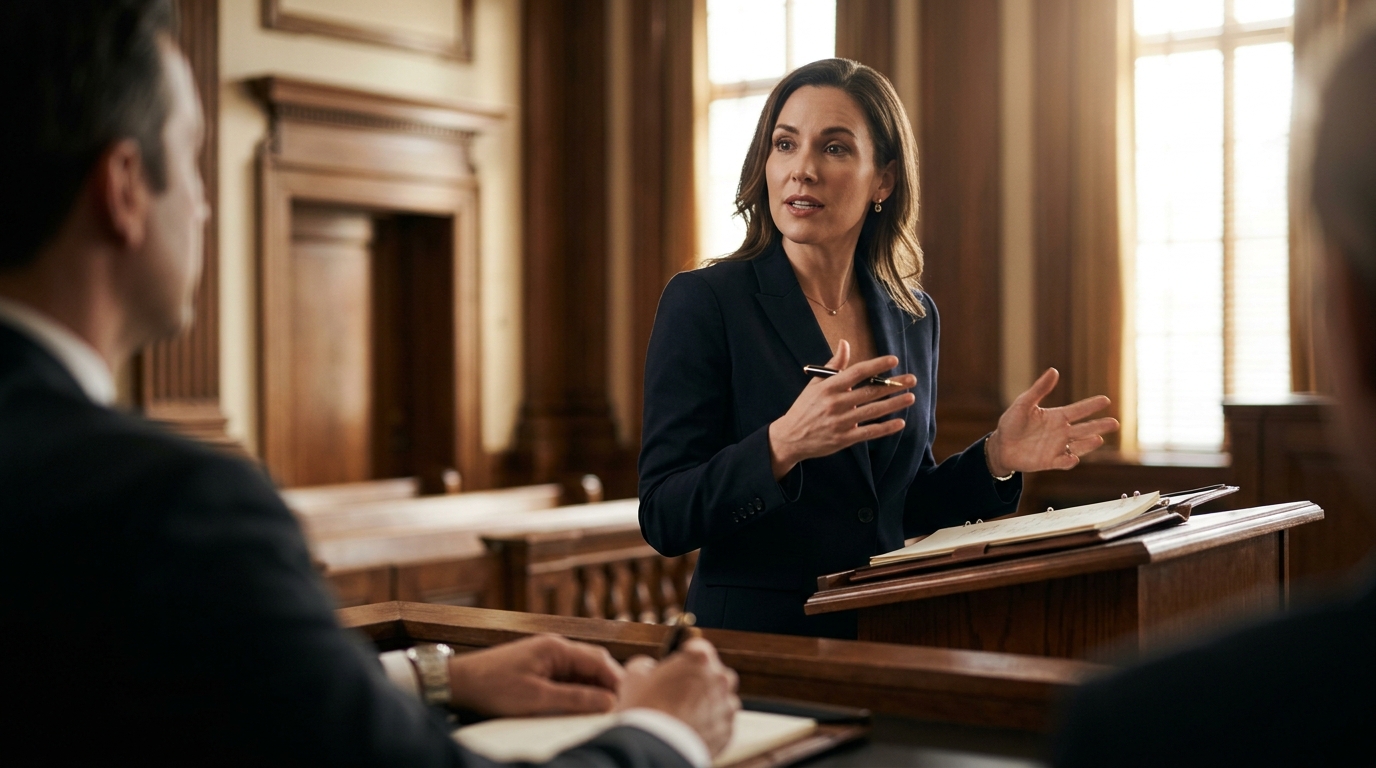
The opening statement is the first opportunity to frame the narrative for the jury. Research in litigation consulting indicates that jurors form initial impressions within the first few minutes of a trial. These early impressions heavily influence how they interpret subsequent evidence. Therefore, crafting a compelling opening statement is not merely a procedural formality but a strategic imperative. It sets the stage for the entire case, guiding the jury through the facts and establishing the themes that will resonate throughout the proceedings.
Simplify Your Narrative Structure
Complexity is the enemy of persuasion. Jurors are not legal experts; they are everyday people tasked with making a difficult decision. Your opening statement must translate legal arguments into a clear, logical story. Jury research consistently shows that simple, coherent narratives are more memorable and persuasive than complex, data-heavy presentations. Focus on the core conflict of the case and present your side as the most logical resolution.
A strong narrative has a beginning, middle, and end. It introduces the characters, establishes the stakes, and outlines the journey. Avoid getting bogged down in minor details at this stage. Instead, provide a roadmap that allows the jury to follow your evidence as it is presented. This approach reduces cognitive load and helps jurors retain critical information.
Leverage Visual Advocacy
Visual aids can significantly enhance the impact of your opening statement. However, they must be used strategically. Litigation graphics are most effective when they illustrate a key point rather than distract from it. Use diagrams, timelines, and charts to clarify complex relationships or sequences of events. The goal is to make the abstract concrete.
Consider the emotional impact of your visuals. A well-designed graphic can evoke empathy or highlight injustice, reinforcing your verbal arguments. Ensure that all visual aids are clear, legible, and professionally produced. Poorly designed graphics can undermine your credibility and confuse the jury.
Avoid Bullet Points in Slides
One of the most common mistakes in trial presentations is the overuse of bullet points. Kenneth J. Lopez, J.D. of Persuadius argues that bullet points kill persuasion because they encourage reading rather than listening. When jurors read a slide, they stop listening to your voice. This disconnect can cause them to miss critical nuances in your argument.
Instead of bullet points, use full sentences or short phrases that convey a complete thought. This approach keeps the jury engaged with your verbal delivery while providing a visual anchor for their attention. It also reinforces the narrative flow, ensuring that each point builds upon the previous one. As Lopez notes, text-heavy PowerPoint slides are one of the biggest obstacles to effective courtroom communication.
Use Storytelling Techniques
Storytelling is a powerful tool in litigation. Humans are wired to respond to stories, not just facts. By framing your case as a story, you can create an emotional connection with the jury. This connection makes your argument more relatable and memorable. Storytelling techniques such as character development, conflict, and resolution can transform a dry legal argument into a compelling narrative.
Identify the hero of your story. In a civil case, this might be the plaintiff who suffered a loss. In a criminal case, it might be the defendant who was wrongfully accused. Highlight the stakes and the journey they have endured. This approach humanizes the case and makes it easier for jurors to empathize with your client.
Test with Mock Trials
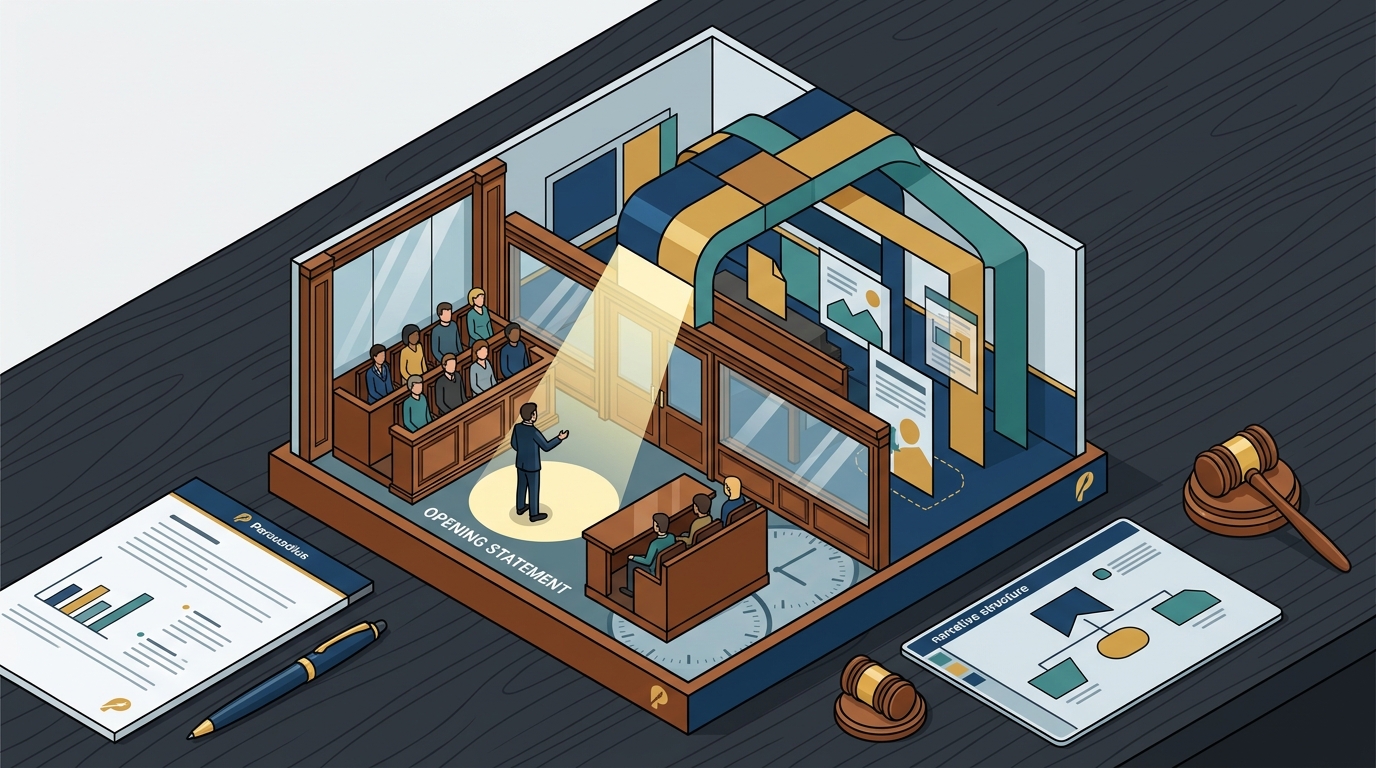
Never rely solely on intuition when crafting your opening statement. Mock trials provide a controlled environment to test your arguments and gauge jury reactions. By presenting your opening statement to a representative sample of the community, you can identify weaknesses and refine your message. This process allows you to make data-driven adjustments before the actual trial.
Persuadius has worked with top law firms on thousands of matters, providing jury consulting services that leverage mock trial data to optimize case strategy. Their expertise ensures that your opening statement is not just a speech, but a persuasive tool designed to win.
Key Takeaways
- Simplify the Narrative: Keep your story clear and logical to reduce cognitive load for jurors.
- Use Visuals Strategically: Employ professional graphics to clarify complex points, not to distract.
- Avoid Bullet Points: Use full sentences to maintain verbal engagement and prevent reading disconnection.
- Embrace Storytelling: Frame your case as a human story with clear stakes and resolution.
- Test with Mock Trials: Validate your opening statement with representative jury panels to refine your approach.
- Leverage Expertise: Consult with experienced jury consultants to gain evidence-based insights.
- Focus on Persuasion: Remember that the goal is to persuade, not just to inform.
Frequently Asked Questions
How long should an opening statement be?
The length of an opening statement varies by jurisdiction and case complexity, but it should be concise enough to maintain attention while comprehensive enough to cover key themes. Typically, it ranges from 10 to 30 minutes.
Can I use bullet points in my trial presentation?
While not strictly forbidden, bullet points are generally discouraged by litigation experts like those at Persuadius because they encourage reading over listening, which can disengage the jury.
What is the role of a jury consultant?
A jury consultant helps litigators understand jury psychology, test case themes through mock trials, and develop strategies to maximize persuasion. They provide jury research and consulting services to optimize case outcomes.
How do I choose the right visual aids?
Choose visual aids that clarify complex information or evoke the right emotional response. They should be simple, professional, and directly support your narrative points.
Why is storytelling important in trial?
Storytelling creates an emotional connection with the jury, making your argument more relatable and memorable. It helps jurors understand the human impact of the legal issues.
What is a mock trial?
A mock trial is a simulated court proceeding used to test case strategies, jury reactions, and the effectiveness of arguments before the actual trial begins.
How can Persuadius help with my case?
Persuadius offers nationwide jury consulting, trial graphics, and trial technology services to help litigators win complex cases.
Contact Persuadius for Expert Litigation Support
Effective opening statements require more than just legal knowledge; they require strategic insight and persuasive skill. Persuadius, with over thirty years of experience and more than 10,000 matters handled, provides the expertise you need to succeed. Contact us today to discuss how our jury consulting and litigation graphics services can enhance your trial strategy.
Visit our contact page or call 800.847.9330 to schedule a consultation. Let us help you craft an opening statement that wins hearts and minds.