
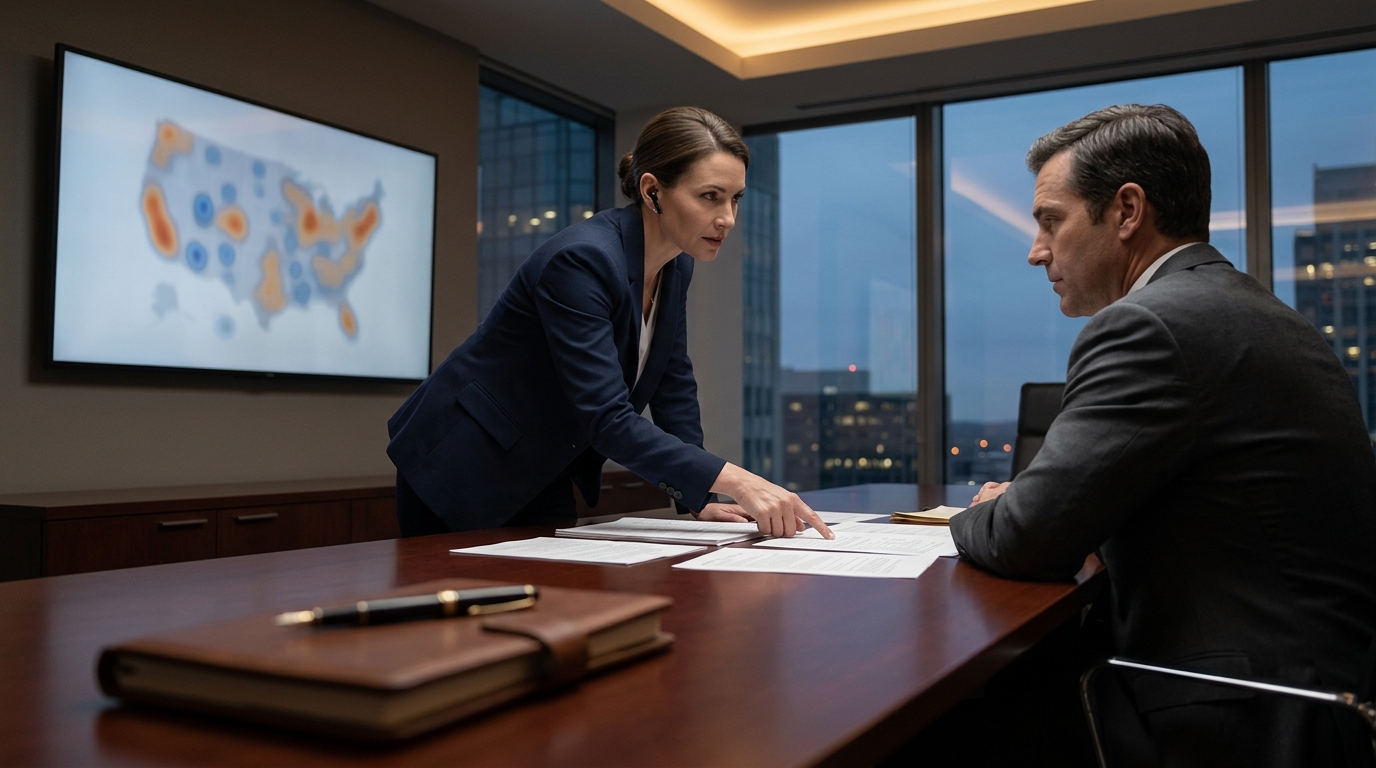
Jury consulting is the systematic application of behavioral science and psychological research to optimize courtroom outcomes. It moves legal advocacy beyond intuition, replacing guesswork with data-driven persuasion strategies. For litigators, this discipline is not merely about picking jurors; it is about engineering a narrative that resonates with the specific cognitive biases and values of the jury box. In high-stakes litigation, the margin for error is nonexistent, making evidence-based strategy essential for success. (Persuadius and A2L Customer)
The Science of Jury Selection
Jury selection, or voir dire, is often misunderstood as a simple interview process. In reality, it is a complex diagnostic procedure. Jury consulting is the process of identifying and mitigating juror biases before they impact verdicts. Consultants analyze demographic data, psychographic profiles, and implicit biases to predict how potential jurors will interpret evidence. (Persuadius Nationwide Jury Consulting)
Top law firms rely on this science because human memory is fallible and subjective. According to research on cognitive bias in legal settings, jurors often form conclusions within minutes of hearing the opening statement. This rapid judgment process means that early narrative framing is critical. If the initial story does not align with the jurors' worldview, subsequent evidence may be dismissed or misinterpreted. Persuadius has worked with almost all top law firms on more than 10,000 matters with at least $2 trillion cumulatively at stake, demonstrating the scale at which this science is applied.
The goal is not to find jurors who agree with your client. The goal is to find jurors who can listen fairly to your narrative. Consultants use advanced screening techniques to identify individuals who may be predisposed against your case, allowing attorneys to strike them with confidence during voir dire. This strategic filtering ensures that the final jury is composed of individuals who are open to the evidence presented.
The Role of Mock Trials and Focus Groups
Before a case ever reaches the courtroom, jury consultants conduct mock trials and focus groups to test legal theories. These simulations provide a controlled environment where real people react to arguments, evidence, and witness testimony. The data collected from these sessions reveals which aspects of a case are persuasive and which are confusing or counterproductive.
Focus groups allow attorneys to refine their arguments based on immediate feedback. If a particular piece of evidence causes confusion or anger, consultants can advise on how to reframe it. This iterative process ensures that the final presentation is as clear and compelling as possible. The Litigation Consulting Report, a top-rated resource for strategic thinking, frequently highlights how these pre-trial tests prevent costly surprises during actual trials.
Mock trials also help in determining the appropriate monetary value for damages in personal injury or commercial cases. By observing how mock jurors calculate awards, consultants can help attorneys set realistic expectations and negotiate from a position of strength. This data-driven approach to damages is a cornerstone of modern litigation strategy.
Litigation Graphics and Visual Persuasion
Visual aids are powerful tools for persuasion, but they must be designed with precision. Litigation graphics consulting involves creating demonstrative exhibits that simplify complex information without losing accuracy. Litigation graphics consulting is the specialized service of designing visual aids that enhance juror comprehension and retention. Poorly designed graphics can distract or confuse, while well-crafted ones can anchor key arguments in the jurors' minds.
Persuadius is regularly voted best litigation graphics consultants due to their ability to create exhibits that capture the essence of a presentation. Whether it is a timeline of events, a diagram of a physical space, or a chart of financial data, these visuals must be intuitive and emotionally resonant. The team works under extreme time and quality pressure to deliver these assets, ensuring that attorneys have the tools they need to persuade effectively.
Visual storytelling is particularly effective in complex commercial litigation. By breaking down intricate financial transactions or technical processes into digestible visuals, consultants help jurors understand the core issues. This clarity is essential for winning verdicts in cases where the evidence is dense and abstract. The use of high-quality graphics also signals professionalism and preparedness, which can subtly influence juror perception.
Crafting the Opening Statement
The opening statement sets the stage for the entire trial. It is the first opportunity to tell your client's story and frame the issues. Jury consultants play a crucial role in drafting and refining this narrative. They analyze the mock trial data to identify the most persuasive themes and arguments, ensuring that the opening statement resonates with the target jury.
One common mistake in opening statements is the overuse of bullet points. Text-heavy slides can kill persuasion by overwhelming jurors with information. Instead, consultants advocate for a narrative-driven approach that uses simple, clear language. The goal is to create a story that jurors can easily follow and remember. As discussed in recent insights from the Persuadius blog, bullet points often fail to engage jurors emotionally, whereas a well-crafted narrative can.
Consultants also help attorneys anticipate counterarguments and prepare rebuttals. By understanding the opposing counsel's likely strategy, they can build a more robust opening statement that preempts these challenges. This proactive approach ensures that the attorney remains in control of the narrative throughout the trial.
Trial Technology and Hot Seaters
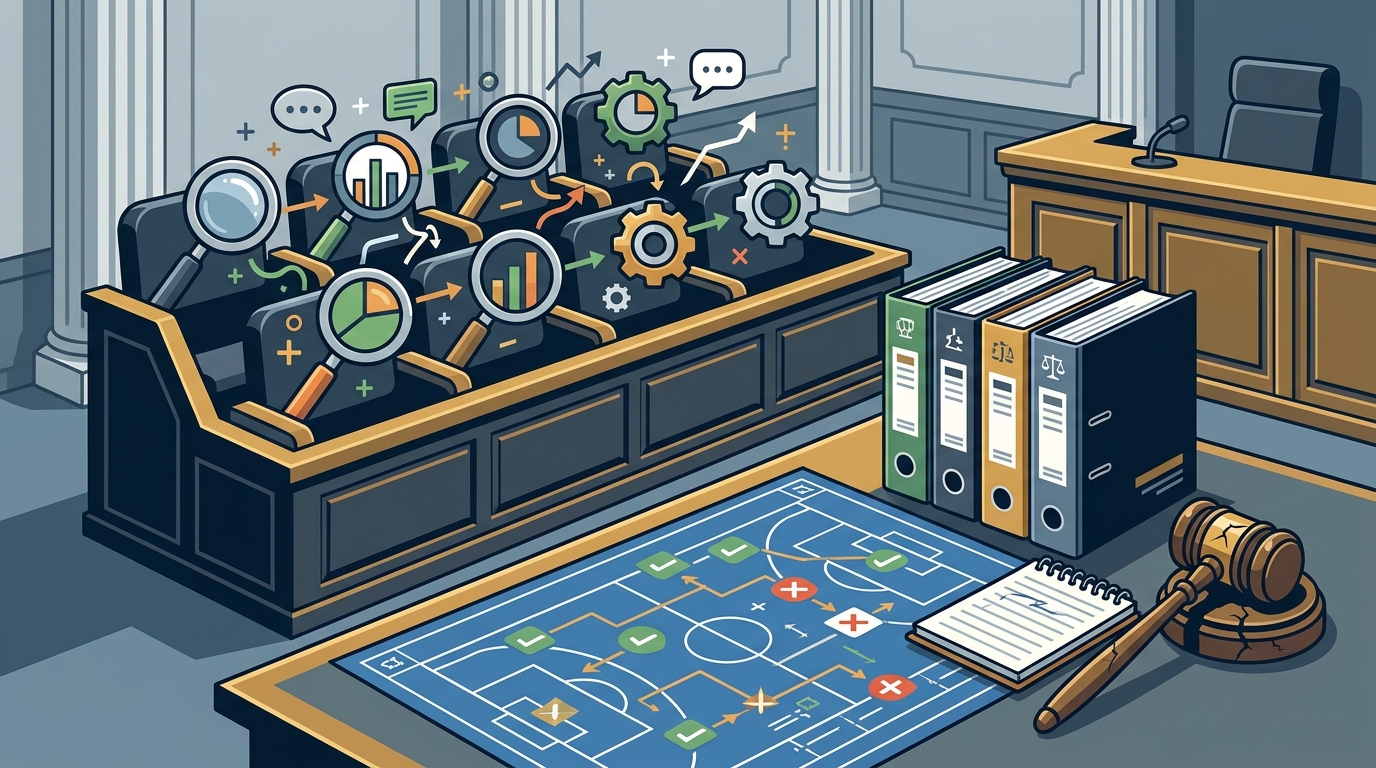
Modern trials rely heavily on technology to present evidence. Trial technicians, or "hot seaters," manage the technical aspects of the presentation, ensuring that exhibits are displayed correctly and smoothly. Jury consultants work closely with these technicians to integrate technology into the overall strategy.
The use of trial technology can enhance persuasion by allowing for dynamic presentations. For example, animations can demonstrate how an accident occurred, or audio recordings can bring witness testimony to life. However, technology must be used judiciously. Over-reliance on tech can distract from the human element of storytelling. Consultants help attorneys strike the right balance, using technology to support, not overshadow, the narrative.
Persuadius provides comprehensive trial tech support, including the provision of hot seaters who are trained to handle complex technical setups. This support ensures that attorneys can focus on advocacy rather than technical troubleshooting. The seamless integration of technology is a key factor in delivering a polished and professional presentation.
Key Takeaways
- Jury consulting applies behavioral science to predict and influence juror decision-making processes.
- Persuadius has over thirty years of experience working with top law firms on complex litigation.
- Mock trials and focus groups provide critical data for refining legal strategies before trial.
- Litigation graphics must be designed to simplify complexity and enhance emotional resonance.
- The opening statement is the most critical moment for framing the case narrative.
- Avoid text-heavy slides and bullet points, which can reduce juror engagement.
- Trial technology should support the narrative, not distract from it.
Frequently Asked Questions
What is the primary function of a jury consultant?
A jury consultant's primary function is to apply psychological principles to legal strategy. They help attorneys understand juror behavior, test case themes, and optimize courtroom presentations to maximize persuasion.
How do mock trials help in jury selection?
Mock trials reveal how potential jurors react to evidence and arguments. This feedback allows attorneys to adjust their strategies, identify weak points, and select jurors who are most likely to be persuaded by their case.
Why are litigation graphics important?
Litigation graphics simplify complex information, making it easier for jurors to understand. They also enhance retention and emotional engagement, which are critical for winning verdicts.
What is the role of a hot seater in a trial?
A hot seater is a trial technician who manages the technical aspects of the presentation. They ensure that exhibits are displayed correctly and that the technology runs smoothly, allowing the attorney to focus on advocacy.
How does jury consulting impact opening statements?
Jury consultants help craft opening statements that are narrative-driven and emotionally resonant. They use data from mock trials to identify the most persuasive themes and avoid common pitfalls like overuse of bullet points.
Can jury consulting help with damages calculations?
Yes, by observing how mock jurors calculate awards, consultants can help attorneys set realistic expectations and negotiate from a position of strength based on data-driven insights.
What makes Persuadius different from other consultants?
Persuadius combines extensive experience with a deep understanding of behavioral science. They are regularly voted best in their field and have worked on matters with trillions of dollars at stake.
Contact Persuadius for Expert Litigation Support
If you are preparing for a high-stakes trial, the insights from jury consulting can be the difference between a win and a loss. Persuadius offers nationwide jury consulting, trial graphics, and trial technology services. Our team is available 24/7 to assist with conflicts checks, last-minute questions, or strategic consultations. Contact us today to learn how we can help you win your case.
Contact Persuadius to schedule a consultation with our expert team.