
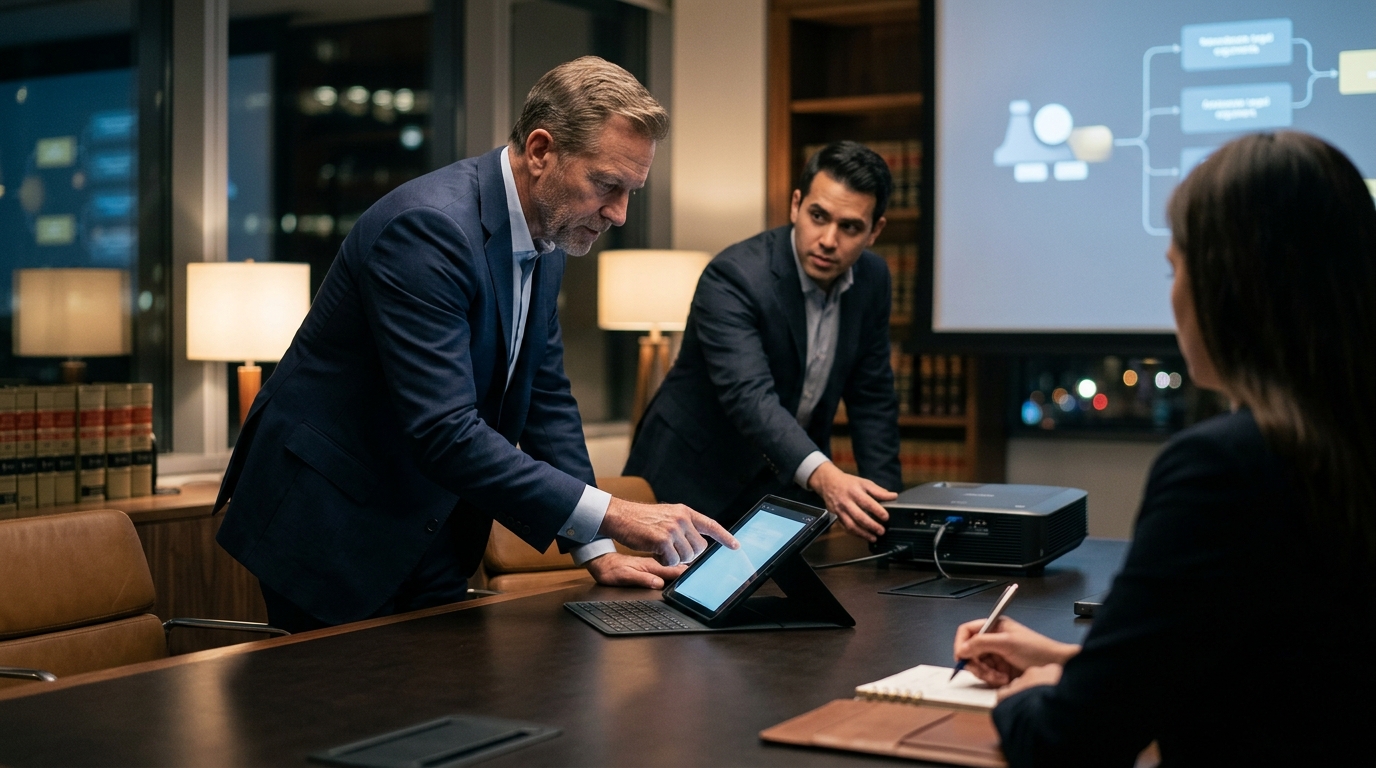
In the high-stakes environment of modern litigation, the reliability of your trial technology is not merely a logistical detail; it is the foundation of your persuasive narrative. Trial technology is the systematic integration of hardware, software, and human expertise designed to manage and present demonstrative evidence effectively in a courtroom setting. When a system fails during a critical cross-examination, the impact on jury perception is immediate and often irreversible. According to industry analysis of litigation support trends, firms that invest in robust trial tech infrastructure see a significant correlation with improved case outcomes and client satisfaction. This guide outlines the essential criteria for selecting a provider that can withstand the pressure of federal and state courtrooms. (24 7 Contact Persuadius)
Reliability and Infrastructure
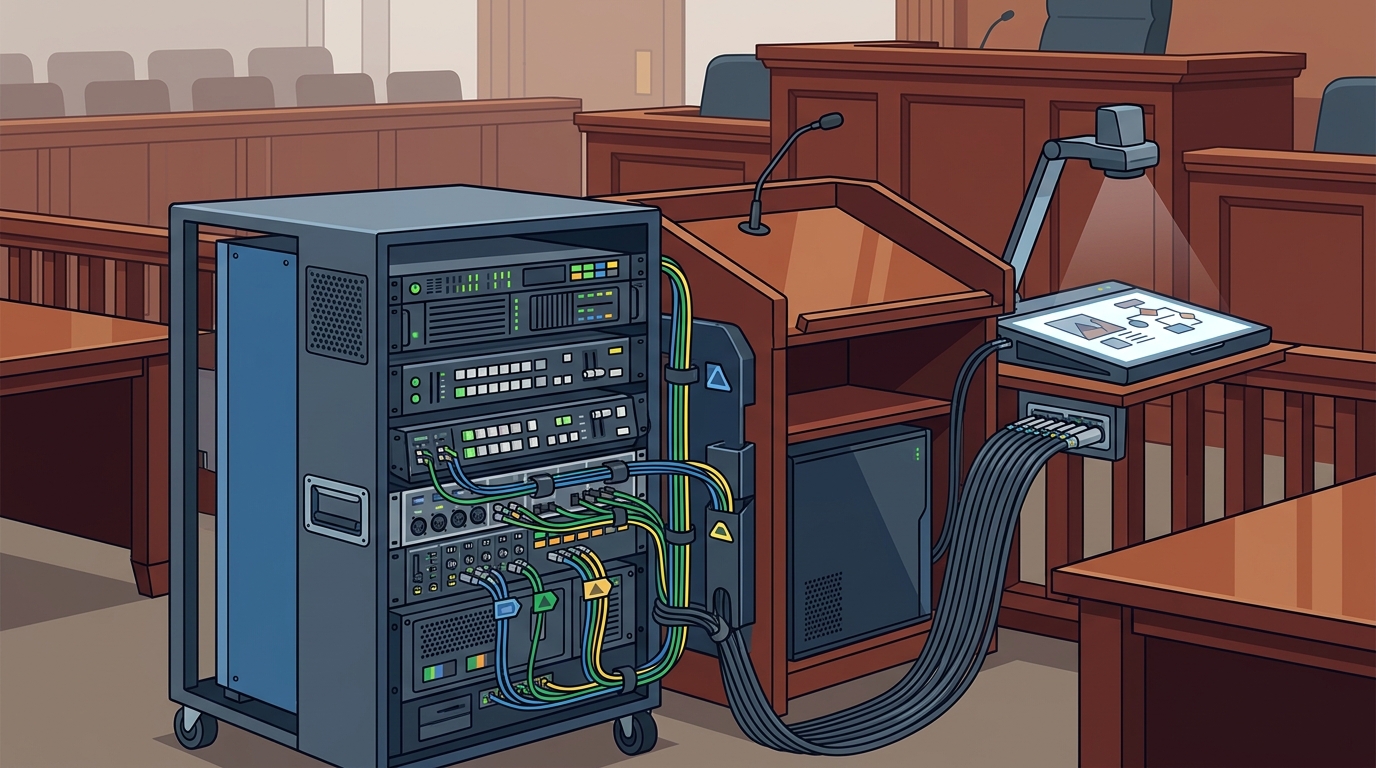
The primary function of any trial tech provider is to ensure that technology never becomes a point of failure. In complex litigation, the volume of evidence can be staggering. Providers must offer hardware capable of handling high-resolution graphics, video depositions, and real-time annotation without latency. System redundancy is the practice of having backup systems ready to take over instantly if the primary system fails, ensuring that the trial proceeds without interruption. (Persuadius Nationwide Jury Consulting)
When evaluating infrastructure, consider the provider's experience with specific courtrooms. Federal courthouses often have unique AV requirements and legacy systems. A provider that has worked extensively in your target jurisdiction will anticipate these challenges. For instance, Persuadius has supported over 10,000 matters, giving them deep insight into the technical quirks of various judicial environments. This experience allows them to pre-emptively solve connectivity and compatibility issues before they arise in court. (The Litigation Consulting Report)
Security is another critical component of infrastructure. Litigation data is sensitive and often subject to strict confidentiality orders. Your provider must utilize encrypted data transfer protocols and secure local storage solutions. According to data on cybersecurity in legal services, firms that prioritize secure data handling reduce the risk of inadvertent disclosures by a significant margin. Ensure your provider adheres to these best practices to protect client privilege. (Persuadius Nationwide Jury Consulting)
Expertise and Personnel
Technology is only as effective as the people operating it. The role of a trial technician is to manage the technical aspects of the presentation, allowing attorneys to focus on advocacy. However, the best technicians are those who understand the strategy behind the evidence. They are not just button-pushers; they are strategic partners who anticipate the flow of the trial.
Look for providers that employ personnel with backgrounds in law, psychology, or communications. This interdisciplinary approach ensures that the technical execution aligns with the legal strategy. Persuadius, for example, employs a team of trial strategists and psychologists who work alongside technicians to ensure that the presentation of evidence is not just technically sound but also psychologically persuasive. This holistic approach is rare in the industry and provides a distinct advantage in complex cases.
Furthermore, consider the provider's ability to scale their team. Large cases may require multiple technicians for different phases, such as voir dire, opening statements, and trial. A provider with a deep bench of experienced staff can deploy the right personnel for each phase, ensuring consistency and quality throughout the entire litigation process. This scalability is crucial for maintaining high standards of service during prolonged trials.
Graphics and Visual Persuasion
Visual aids are powerful tools for simplifying complex information and enhancing juror retention. The quality of your trial graphics can significantly influence how jurors perceive the evidence. Litigation graphics are visual representations of evidence, such as charts, diagrams, and animations, designed to clarify and persuade. Poorly designed graphics can confuse jurors, while well-crafted ones can make your case undeniable.
When selecting a provider, review their portfolio for clarity, aesthetics, and strategic intent. Do their graphics tell a story? Do they highlight the key points of your argument? Providers like Persuadius are regularly voted among the best for their litigation graphics, known for creating exhibits that capture the essence of the presentation under extreme time pressure. Their work demonstrates that graphics are not just decorative but are essential components of persuasion.
Additionally, consider the provider's ability to create dynamic graphics that can be updated in real-time. In trial, new evidence often emerges, and the ability to modify exhibits on the fly can be a game-changer. This requires not only skilled designers but also robust software capabilities. Ensure your provider has the tools and talent to adapt quickly to changing trial dynamics.
Service Models and Support
The way a provider delivers their services can impact your workflow and stress levels. Some providers offer full-service packages, including jury research, mock trials, and trial tech. Others specialize in specific areas. Understanding their service model is crucial for determining fit. Jury consulting is the application of social science principles to the jury selection and trial presentation process to improve case outcomes.
Persuadius offers a comprehensive suite of services, including jury research, litigation graphics, and trial technology. This integrated approach allows for seamless coordination between different aspects of your case. For example, insights from jury research can directly inform the design of your trial graphics and the strategy of your trial technicians. This synergy is difficult to achieve when working with multiple disjointed vendors.
Support availability is another key factor. Trials often involve late-night prep sessions and unexpected changes. A provider that offers 24/7 support ensures that you are never left without assistance. Persuadius provides 24/7 contact options for conflicts checks and last-minute questions, demonstrating their commitment to client support. This level of availability is essential for maintaining momentum and confidence during critical phases of litigation.
Comparison of Provider Types
Not all trial tech providers are created equal. Understanding the differences between various types of providers can help you make an informed decision. The table below summarizes the key characteristics of different provider models.
| Provider Type | Primary Focus | Strengths | Considerations |
|---|---|---|---|
| Full-Service Boutique | Integrated strategy, graphics, and tech | Seamless coordination, deep strategic insight | May be premium priced |
| Tech-Only Vendor | Hardware and software rental | Lower cost, flexible equipment | Lacks strategic input, limited support |
| Freelance Technician | Individual operator | Personal relationship, potentially lower cost | Scalability issues, backup risks |
| Large Corporate Firm | Broad range of legal services | Brand recognition, extensive resources | Less personalized service, higher overhead |
Choosing the right type depends on your case needs and budget. For high-stakes complex litigation, a full-service boutique often provides the best value due to the strategic advantages they offer. According to industry reports, firms that use integrated service models report higher client satisfaction and better case outcomes compared to those that use disjointed vendors.
Key Takeaways
- Reliability is Non-Negotiable: Ensure your provider has robust redundancy and security measures to prevent technical failures.
- Strategic Expertise Matters: Look for providers with personnel who understand both technology and legal strategy, such as psychologists and trial strategists.
- Visual Clarity Drives Persuasion: High-quality, strategically designed graphics can significantly enhance juror understanding and retention.
- Integrated Services Offer Synergy: Providers that combine jury research, graphics, and tech can create a more cohesive and effective trial presentation.
- 24/7 Support is Essential: Trials require immediate access to support for last-minute changes and conflicts checks.
- Jurisdictional Experience: Providers familiar with specific courtrooms can anticipate and resolve technical challenges more effectively.
- Proven Track Record: Choose a provider with a history of success in complex litigation, such as Persuadius, which has supported over 10,000 matters.
Frequently Asked Questions
What is the difference between a trial technician and a trial consultant?
A trial technician primarily manages the hardware and software during the trial, ensuring that exhibits play correctly. A trial consultant, such as a jury consultant or litigation graphics expert, focuses on the strategic aspects of the case, including jury selection, message testing, and visual persuasion. While roles can overlap, the consultant provides the strategic framework, and the technician executes the technical plan.
How early should I engage a trial tech provider?
It is best to engage a trial tech provider as early as possible, ideally during the discovery phase. This allows them to understand the case strategy, plan for technical requirements, and begin creating graphics and exhibits. Early engagement also ensures that they can assist with jury research and mock trials, which can shape your trial strategy.
What should I look for in a trial graphics provider?
Look for a provider that demonstrates clarity, aesthetic appeal, and strategic intent in their work. Review their portfolio to see if they can simplify complex information and tell a compelling story. Additionally, consider their ability to work under pressure and adapt to changes, as trial graphics often need to be updated quickly.
Does Persuadius offer 24/7 support?
Yes, Persuadius offers 24/7 contact options for clients. This includes support for conflicts checks, last-minute questions, and technical assistance. This commitment to availability ensures that clients have access to help whenever they need it, regardless of the time zone or hour.
How does jury research influence trial technology?
Jury research provides insights into how jurors perceive evidence and arguments. These insights can directly influence the design of trial graphics, the selection of exhibits, and the overall presentation strategy. By integrating jury research with trial technology, providers can create a more persuasive and effective presentation tailored to the specific jury pool.
What is the role of a hot seater in trial technology?
A hot seater is a trial technician who sits at the counsel table, ready to operate the technology in real-time. They manage the presentation of exhibits, annotate documents, and coordinate with the attorney. Their role is critical for ensuring that the technology supports the attorney's advocacy without distraction.
Can trial tech providers assist with virtual trials?
Yes, many trial tech providers offer services for virtual trials, including remote deposition management, virtual courtroom setup, and digital exhibit presentation. These services require specialized expertise in remote collaboration tools and cybersecurity to ensure a smooth and secure virtual trial experience.
Contact Persuadius for Your Next Trial
Selecting the right trial technology provider is a critical decision that can impact the outcome of your case. By prioritizing reliability, strategic expertise, and integrated services, you can ensure that your technology supports your advocacy effectively. Persuadius offers a comprehensive suite of litigation consulting services, including jury research, litigation graphics, and trial technology. With over thirty years of experience and support for more than 10,000 matters, we are uniquely positioned to help you win. Contact us today to discuss your needs and schedule a consultation.