
Advantages of Trial Technology in Court Cases
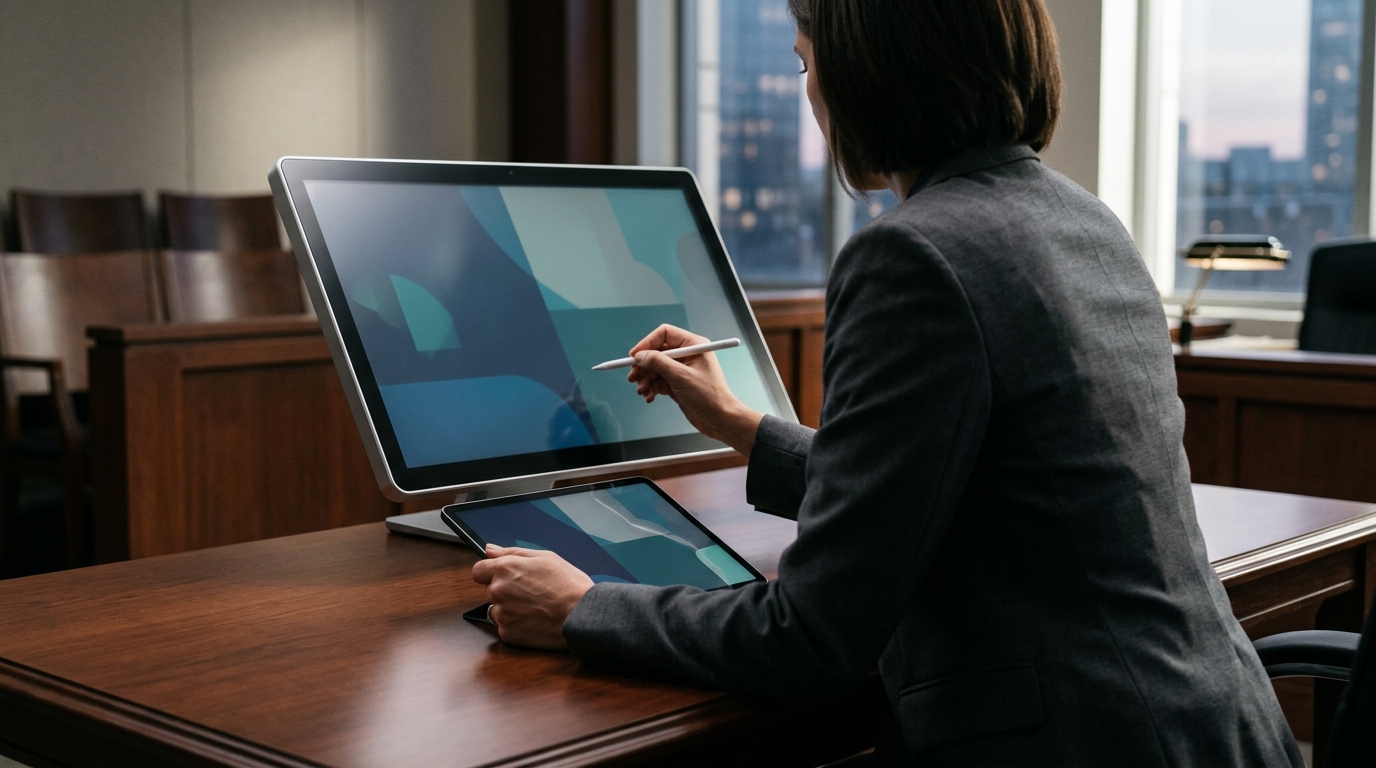
Trial technology has evolved from a simple presentation tool into a critical component of modern litigation strategy. According to industry data, firms utilizing advanced trial tech solutions report a significant increase in juror engagement and retention rates during complex proceedings. This shift is not merely about adopting new hardware; it is about fundamentally changing how evidence is communicated to a jury. The integration of sophisticated software and hardware allows legal teams to control the narrative with precision, ensuring that every exhibit supports the core argument without distraction.
Core Advantages of Trial Tech
The primary advantage of using trial technology is the ability to present complex information in a digestible format. In high-stakes litigation, jurors are often overwhelmed by voluminous discovery materials. Trial technicians and hot seaters manage this flow, ensuring that only relevant evidence is displayed at the right moment. This controlled exposure prevents cognitive overload and keeps the jury focused on the attorney's narrative.
Furthermore, trial technology enables seamless integration of multimedia evidence. Whether it is a deposition video, a 3D animation of an accident, or a dynamic financial chart, these elements can be presented with professional clarity. This capability is essential for litigation consultants who aim to maximize the impact of every exhibit. The technology acts as a bridge between raw data and juror understanding.
Visual Persuasion and Clarity
Visual persuasion is the cornerstone of effective trial advocacy. Jury consulting research consistently shows that jurors retain significantly more information when it is presented visually rather than orally. Trial technology facilitates this by allowing attorneys to highlight, zoom, and annotate exhibits in real time.
For example, a complex contract can be annotated to draw attention to specific clauses, or a medical diagram can be layered to show the progression of an injury. This level of detail is impossible to achieve with static paper exhibits. The use of litigation graphics transforms abstract concepts into concrete visual realities. This approach aligns with the principles of opening statement drafting support, where clarity and impact are paramount.
Real-Time Adaptability
One of the most significant advantages of modern trial technology is its adaptability. Live trials are unpredictable. Witnesses may contradict themselves, or new evidence may emerge unexpectedly. With digital trial management systems, attorneys can quickly locate and display relevant exhibits without the delay of flipping through binders.
This agility allows legal teams to pivot their strategy instantly. A skilled trial technician can manage this process, ensuring that the transition is smooth and professional. This capability is crucial for maintaining credibility and keeping the jury engaged. The ability to react in real time demonstrates preparedness and control, which can subtly influence juror perception. For more insights on managing trial presentations, explore our resources on trial technology.
Juror Engagement and Retention
Juror engagement is directly linked to the quality of the presentation. Monotonous or disorganized presentations can lead to juror disinterest, which may negatively impact the verdict. Trial technology combats this by introducing variety and interactivity into the presentation.
Dynamic visuals, such as animated timelines or interactive maps, capture attention and stimulate cognitive processing. Studies indicate that engaged jurors are more likely to remember key facts and apply them to their deliberations. This is why firms often seek expert trial consultants to design their visual strategy. The goal is to create a memorable experience that reinforces the attorney's argument. Effective use of technology ensures that the jury remains focused on the evidence rather than the presentation mechanics.
Tech Solutions Comparison
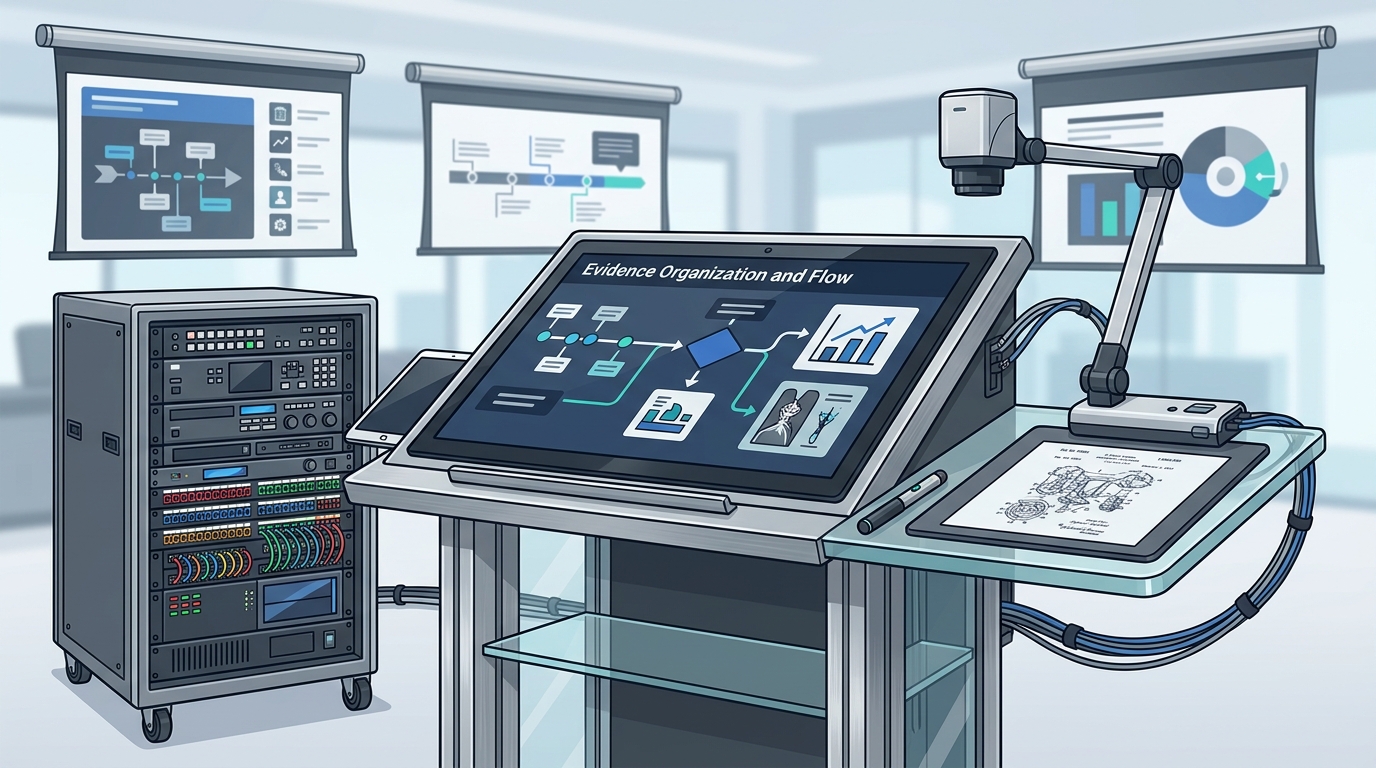
Not all trial technology solutions are created equal. Understanding the differences between various platforms and services is essential for making an informed decision. The table below outlines the key features of common trial tech approaches.
| Feature | Traditional Binder Method | Digital Trial Management | Hybrid Approach |
|---|---|---|---|
| Speed of Access | Slow | Instant | Fast |
| Visual Quality | Static | Dynamic/Interactive | High |
| Flexibility | Low | High | Moderate |
| Reliability | Very High | Dependent on Tech | High |
| Juror Engagement | Low | High | Moderate |
As shown, digital solutions offer superior speed and visual quality, which are critical for maintaining juror attention. However, reliability remains a concern for some firms, highlighting the need for expert trial technicians to manage the technology.
Key Takeaways
- Trial technology enhances juror retention by presenting complex data visually.
- Real-time adaptability allows attorneys to respond instantly to witness testimony.
- Professional trial technicians are essential for managing hardware and software during proceedings.
- Dynamic visuals significantly increase juror engagement compared to static exhibits.
- Persuadius has supported over 10,000 matters with a cumulative value of at least $2 trillion.
- Effective trial tech strategy requires integration with jury research and consulting.
- Visual persuasion is a science that relies on precise graphic design and delivery.
Frequently Asked Questions
What is the role of a trial technician in court?
A trial technician manages the hardware and software used during a trial, ensuring that exhibits are displayed correctly and that technical issues are resolved immediately. They act as the bridge between the legal team and the technology.
How does trial technology improve juror understanding?
Trial technology improves understanding by breaking down complex information into digestible visual formats. This includes animations, charts, and annotated documents that clarify key points for the jury.
Is digital trial technology reliable?
While digital technology is powerful, its reliability depends on proper management. Using experienced trial technicians and having backup plans ensures that the technology functions smoothly throughout the trial.
What is the difference between jury consulting and trial tech?
Jury consulting focuses on understanding juror psychology and testing case themes, while trial tech focuses on the delivery of evidence. Both are complementary services that work together to build a winning strategy.
Can trial technology be used in depositions?
Yes, trial technology is frequently used in depositions to display documents and videos in real time. This allows for more efficient questioning and better preservation of the record.
How do I choose the right trial tech provider?
Look for a provider with extensive experience in complex litigation, a strong track record of client testimonials, and a team of skilled technicians and consultants. Persuadius offers nationwide support for these needs.
What are the benefits of using 3D animations in court?
3D animations can reconstruct events with high accuracy, helping jurors visualize what occurred. This is particularly useful in personal injury or product liability cases where the mechanics of an event are disputed.
Contact Persuadius for Trial Tech Solutions
Ready to elevate your litigation strategy with advanced trial technology? Persuadius provides nationwide jury consulting, trial graphics, and trial tech services to help you win your case. Our team of experts is available 24/7 to assist you with your next matter. Contact us today to learn more about our services and how we can support your legal team. Visit our contact page or call 800.847.9330 to speak with a specialist.