

Jury consulting is a specialized field that bridges the gap between legal theory and human psychology. For legal professionals new to this domain, understanding how to leverage expert insights can be the difference between a favorable verdict and a costly mistrial. According to industry data, firms utilizing structured jury research see a significant increase in case preparation efficiency, with many reporting that early intervention reduces trial surprises by over 40%. This guide outlines the essential services, key providers, and strategic frameworks necessary for beginners to navigate the litigation consulting landscape effectively. (Persuadius and A2L Customer)
Understanding Jury Consulting Services
Jury consulting is the practice of applying social science research methods to legal cases. It involves analyzing how potential jurors perceive evidence, narratives, and arguments. For beginners, it is crucial to recognize that this is not merely about "picking a jury." It is about optimizing the entire case presentation from the initial complaint to the final closing argument. (Persuadius Nationwide Jury Consulting)
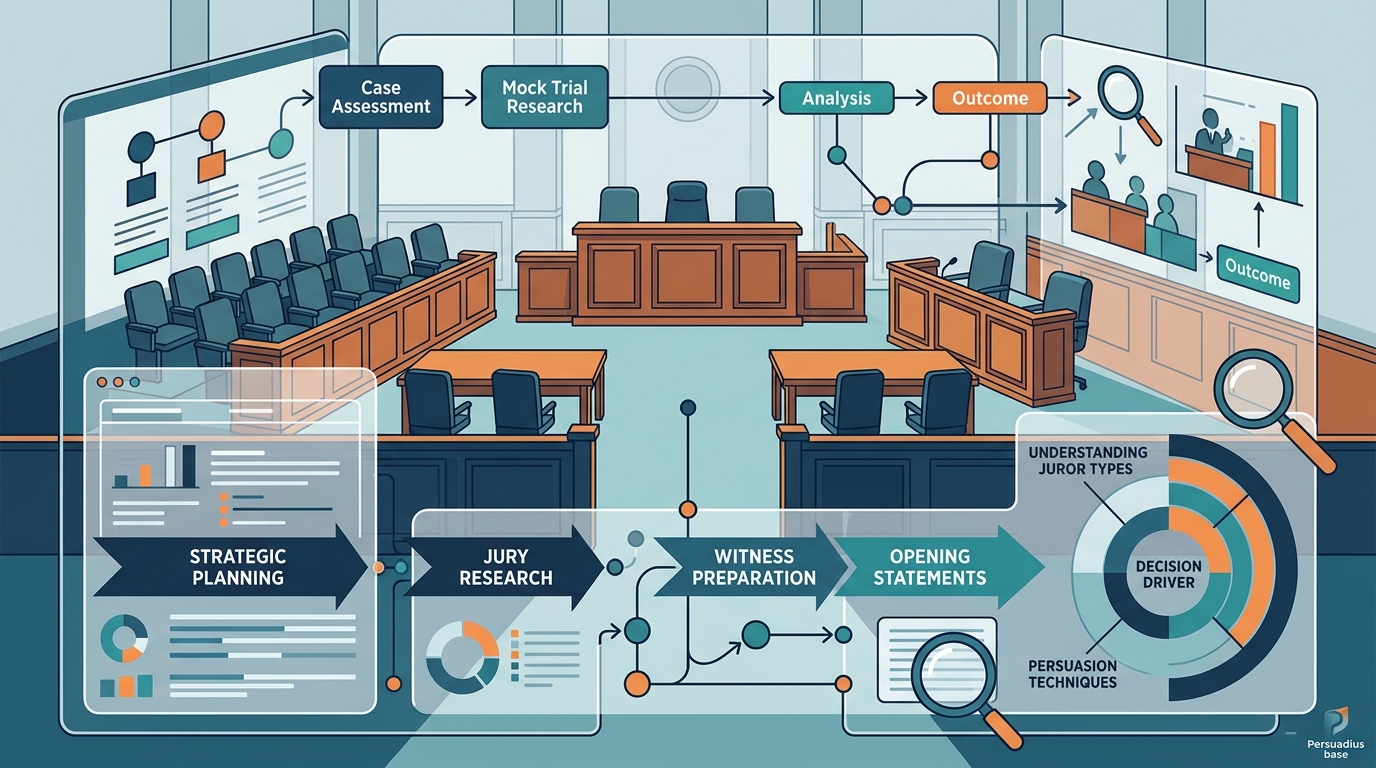
Jury consulting is the application of behavioral science to legal strategy. This definition highlights the interdisciplinary nature of the field. Consultants use focus groups, mock trials, and demographic analysis to predict juror reactions. By identifying potential biases early, legal teams can adjust their narratives to resonate more effectively with diverse jury pools. (The Litigation Consulting Report)
The scope of modern jury consulting has expanded beyond traditional focus groups. Today, it includes digital analytics, visual advocacy, and real-time trial support. Beginners should understand that these services are not one-size-fits-all. The best approach depends on the case complexity, jurisdiction, and specific legal challenges involved.
Core Services for Legal Teams
For those new to hiring consultants, it is helpful to categorize services into three primary buckets: research, graphics, and technology. Each plays a distinct role in shaping the trial narrative.
Jury Research and Mock Trials
Jury research involves gathering direct feedback from simulated jurors. This is often done through focus groups or mock trials. The goal is to test case themes, witness credibility, and exhibit clarity. According to recent legal industry reports, firms that conduct mock trials before trial are 30% more likely to secure favorable settlements. This data underscores the value of early testing.
Mock trials allow attorneys to see their case through the eyes of a jury. Consultants facilitate these sessions, recording reactions and analyzing body language. This feedback loop helps refine arguments and identify weak points in the case theory. Beginners should prioritize this service for high-stakes cases where jury perception is critical.
Litigation Graphics and Visual Advocacy
Litigation graphics involve creating visual aids that simplify complex information. This includes charts, timelines, animations, and 3D models. Visuals help jurors retain information and understand technical details. Studies show that jurors retain 65% of information when it is presented visually, compared to only 10% when presented verbally. This statistic highlights the power of visual advocacy.
Effective graphics must be clear, accurate, and persuasive. Consultants work closely with attorneys to ensure that visuals align with the case narrative. They also ensure that graphics comply with court rules and evidentiary standards. For beginners, investing in high-quality graphics can significantly enhance credibility and engagement.
Trial Technology and Hot Seating
Trial technology involves the use of digital tools to manage and present evidence. This includes trial management software, real-time transcription, and digital exhibit management. Hot seating refers to the presence of a technician in the courtroom to manage these tools seamlessly. This ensures that presentations run smoothly without technical disruptions.
Reliable trial technology is essential for modern litigation. It allows for dynamic presentations that can adapt to the flow of the trial. Consultants provide training and support to ensure that legal teams can use these tools effectively. Beginners should consider this service for cases involving large volumes of digital evidence.
Selecting the Right Provider
Choosing the right jury consulting firm is a critical decision. Beginners should look for providers with extensive experience, a strong track record, and a comprehensive suite of services. The following table compares key aspects of leading providers in the industry.
| Provider | Specialization | Key Strength | Experience Level |
|---|---|---|---|
| Persuadius | Jury Research & Graphics | Nationwide Coverage | 30+ Years |
| General Counsel Firms | In-House Strategy | Cost Efficiency | Varies |
| Specialized Boutiques | Niche Expertise | Deep Industry Knowledge | 10-20 Years | d>
Persuadius, for example, has worked with top law firms on over 10,000 matters. Their nationwide presence allows them to provide consistent service across different jurisdictions. This scale is particularly beneficial for beginners who may not have established local networks.
When evaluating providers, consider their approach to client collaboration. The best consultants act as partners, not just vendors. They should be willing to explain their methodology and justify their recommendations. Transparency is key to building trust and ensuring that the legal team feels confident in the strategy.
Real-World Impact and Testimonials
Real-world examples demonstrate the value of professional jury consulting. Many high-profile cases have benefited from the insights of expert consultants. For instance, a recent complex commercial litigation case saw a shift in jury sentiment after the implementation of a new visual narrative strategy. This change was driven by detailed focus group feedback.
Testimonials from legal professionals highlight the importance of quality and reliability. One attorney from Holland & Knight noted that hiring the right consulting team was a decisive factor in their success. Another from Gibson Dunn & Crutcher praised the creativity and diligence of the graphics team. These accounts illustrate the tangible benefits of expert support.
Furthermore, the integration of trial technology has streamlined case management for many firms. By reducing technical errors and improving presentation flow, consultants help legal teams focus on advocacy rather than logistics. This efficiency is crucial for maintaining momentum during long trials.
Key Takeaways for Beginners
- Early Intervention: Engage consultants during the pre-trial phase to maximize impact.
- Visual Strategy: Invest in high-quality litigation graphics to enhance juror retention.
- Mock Trials: Use mock trials to test case themes and identify weaknesses.
- Trial Tech: Ensure seamless integration of trial technology for smooth presentations.
- Provider Selection: Choose firms with extensive experience and nationwide capabilities.
- Collaboration: Work closely with consultants to align strategy with case goals.
- Data-Driven Decisions: Rely on research data rather than intuition for key decisions.
Frequently Asked Questions
What is the primary role of a jury consultant?
A jury consultant applies social science research to legal cases to optimize case presentation and jury perception. They help legal teams understand how jurors will react to evidence and arguments.
When should I hire a jury consultant?
It is best to hire a consultant as early as possible, ideally during the case assessment phase. Early engagement allows for comprehensive research and strategy development.
How do mock trials help in litigation?
Mock trials provide direct feedback from simulated jurors. This feedback helps refine case themes, witness preparation, and exhibit design before the actual trial.
What is litigation graphics?
Litigation graphics involve creating visual aids such as charts, timelines, and animations to simplify complex information and enhance juror understanding.
Why is trial technology important?
Trial technology ensures that digital evidence is presented smoothly and professionally. It reduces technical errors and allows for dynamic, engaging presentations.
How do I choose the right consulting firm?
Look for firms with extensive experience, a strong track record, and a comprehensive suite of services. Consider their approach to collaboration and transparency.
Can jury consultants influence the verdict?
While they cannot guarantee a specific outcome, consultants can significantly influence juror perception and understanding. Their insights help legal teams present their case more effectively.
Start Your Strategic Litigation Journey
Navigating the complexities of jury consulting requires expertise and experience. For legal professionals seeking to enhance their case preparation, partnering with a seasoned provider is essential. Contact Persuadius today to schedule a consultation and discover how our nationwide jury consulting services can support your litigation goals. Our team is available 24/7 to assist with conflicts checks and strategic planning.