
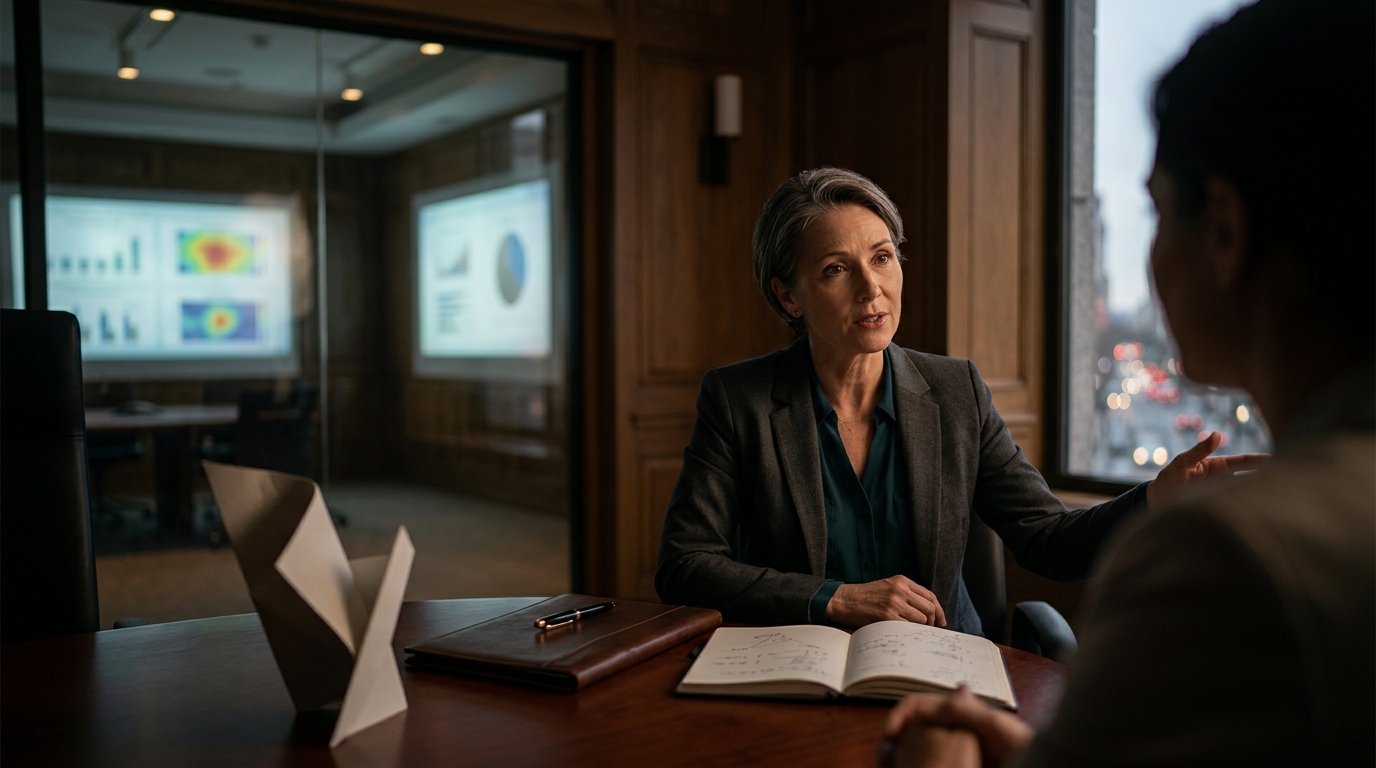
Jury consulting has evolved from a niche legal support service into a critical component of high-stakes litigation strategy. According to industry data, firms utilizing advanced jury research methodologies report significantly higher success rates in complex civil and criminal matters. This shift is driven by the increasing complexity of modern trials, where traditional legal intuition is no longer sufficient to navigate juror psychology and cognitive bias. By integrating scientific research methods with legal advocacy, consulting firms help attorneys decode the hidden dynamics of the courtroom before a single witness is called. (Persuadius and A2L Customer)
Understanding the Core Function of Jury Consulting
Jury consulting is the systematic application of social science research to legal proceedings. It bridges the gap between legal theory and human behavior. The primary goal is to identify the most favorable jurors and to refine the case narrative to maximize persuasiveness. This process relies on empirical data rather than anecdotal experience.
At its foundation, jury consulting is the practice of using research methods to predict juror reactions and optimize trial outcomes. This definition highlights the predictive nature of the service. Consultants do not merely advise on legal strategy; they analyze how that strategy will be received by a diverse group of laypeople. This analysis begins long before trial day, often during the pre-trial research phase.
Firms like Persuadius have spent decades refining these methodologies. With over thirty years of experience, they have worked on more than 10,000 matters involving trillions of dollars at stake. This historical depth allows them to identify patterns in juror behavior that are invisible to the naked eye. The integration of these patterns into legal strategy is what separates effective advocacy from mere legal argumentation.
The Science of Jury Selection and Voir Dire
Jury selection, or voir dire, is often the most misunderstood phase of a trial. Many attorneys view it as a formality, but consulting firms treat it as a data collection exercise. The process involves identifying potential jurors who align with the case theory while excluding those who harbor deep-seated biases against the client's position.
Jury research is the process of evaluating potential jurors through surveys, focus groups, and demographic analysis to predict their likely verdict. This evaluation helps attorneys craft targeted questions during voir dire. Instead of asking generic questions, attorneys can ask specific inquiries designed to reveal hidden biases. For example, in a complex commercial dispute, consultants might look for jurors with specific financial backgrounds or prior litigation experiences.
The use of mock trials is a critical tool in this phase. Mock trials simulate the actual trial environment, allowing consultants to test different jury compositions. By observing how different groups react to the same evidence, attorneys can adjust their approach to maximize favorable outcomes. This data-driven approach reduces the uncertainty inherent in jury selection.
Strategic Case Positioning and Narrative Development
Beyond selection, jury consulting plays a pivotal role in shaping the overall trial strategy. The narrative of a case must be compelling, clear, and emotionally resonant. Consultants help attorneys distill complex legal arguments into a simple, persuasive story. This process involves identifying the core themes that will resonate with the target jury pool.
One of the most significant contributions of consulting is the refinement of opening statements. Research shows that simplifying the opening statement strengthens the case by reducing cognitive load for jurors. Consultants analyze early reactions to different opening statement drafts to determine which version generates the most empathy and understanding. This iterative process ensures that the case theory is firmly planted in the jurors' minds from the outset.
Furthermore, consultants address the issue of confirmation bias. Jurors often interpret evidence in a way that confirms their pre-existing beliefs. By anticipating these biases, attorneys can proactively counter them with targeted evidence and argumentation. This strategic foresight is essential in high-stakes litigation where every detail matters.
Litigation Graphics and Trial Technology
In the modern courtroom, visual aids are not just supplementary; they are central to persuasion. Litigation graphics and trial technology have become indispensable tools for conveying complex information. Consultants specialize in creating demonstrative exhibits that capture the essence of the case in a visually compelling format.
Litigation graphics consulting is the specialized service of designing visual aids that enhance juror comprehension and retention of case evidence. This includes everything from simple charts and timelines to complex 3D animations and virtual reality simulations. The goal is to make abstract concepts concrete and memorable.
Trial technology also extends to the use of hot seaters and trial technicians. These professionals manage the technical aspects of the trial, ensuring that all digital evidence is displayed correctly and seamlessly. Their presence allows attorneys to focus on advocacy rather than technical troubleshooting. The integration of these technologies creates a more dynamic and engaging trial presentation.
| Service Component | Primary Function | Strategic Impact |
|---|---|---|
| Jury Research | Evaluating juror demographics and biases | Optimizes jury selection and voir dire questions |
| Litigation Graphics | Creating visual aids and demonstrative exhibits | Enhances juror comprehension and retention |
| Opening Statement Support | Refining case narratives and themes | Establishes early case theory and empathy |
| Trial Technology | Managing digital evidence and displays | Ensures seamless and professional presentation |

Measuring the Impact of Consulting Services
The value of jury consulting is often measured in the clarity and persuasiveness of the trial presentation. However, it can also be quantified through client feedback and case outcomes. Many top law firms consistently rate their consulting partners as essential to their litigation success.
Testimonials from leading firms highlight the quality and diligence of consulting teams. For instance, clients from Gibson Dunn & Crutcher have noted the high quality of work and the supportive nature of the consultants. Similarly, Foley & Lardner has praised the team's ability to deliver under extreme time pressure while maintaining high standards of quality. These endorsements reflect the reliability and expertise of professional consulting services.
Moreover, the integration of consulting services into the litigation workflow reduces the risk of unexpected juror reactions. By anticipating potential issues, attorneys can mitigate risks before they become liabilities. This proactive approach is a hallmark of effective litigation strategy.
Key Takeaways
- Jury consulting combines social science research with legal advocacy to optimize trial outcomes.
- Persuadius has over thirty years of experience working on more than 10,000 matters.
- Jury research involves evaluating potential jurors to predict their likely verdicts.
- Simplifying opening statements is a key strategy for reducing juror cognitive load.
- Litigation graphics enhance juror comprehension of complex evidence.
- Trial technology ensures seamless presentation of digital evidence.
- Top law firms consistently rate consulting partners as essential to their success.
Frequently Asked Questions
What is the primary role of a jury consultant?
The primary role of a jury consultant is to apply social science research methods to legal proceedings. This includes evaluating potential jurors, refining case narratives, and designing visual aids to maximize persuasiveness.
How does jury research influence voir dire?
Jury research influences voir dire by providing data on potential jurors' biases and demographics. This allows attorneys to ask targeted questions that reveal hidden prejudices and identify favorable jurors.
Why are litigation graphics important in trial strategy?
Litigation graphics are important because they enhance juror comprehension and retention of complex evidence. Visual aids make abstract concepts concrete and memorable, aiding in the overall persuasiveness of the case.
Can jury consulting help with opening statements?
Yes, jury consulting can significantly improve opening statements. Consultants test different versions of the opening statement with mock juries to determine which narrative resonates most effectively.
What is the difference between jury consulting and trial consulting?
While the terms are often used interchangeably, jury consulting focuses specifically on the jury selection and psychology aspects. Trial consulting is a broader term that may include additional services like witness preparation and strategy development.
How do consultants address juror confirmation bias?
Consultants address confirmation bias by anticipating how jurors might interpret evidence based on their pre-existing beliefs. They then develop strategies to counter these biases with targeted evidence and argumentation.
What types of cases benefit most from jury consulting?
Complex civil and criminal cases benefit most from jury consulting. These cases often involve intricate legal and factual issues that require clear and persuasive presentation to lay jurors.
Contact Persuadius for Litigation Support
If you are preparing for a complex trial and need expert guidance on jury selection and strategy, Persuadius is ready to assist. With decades of experience and a proven track record of success, their team provides the insights and support necessary to win. Contact Persuadius today to learn more about their comprehensive litigation consulting services. Visit https://persuadius.com/contact to schedule a consultation or call 800.847.9330 for immediate assistance.