
Advantages of Trial Technology in Court Cases
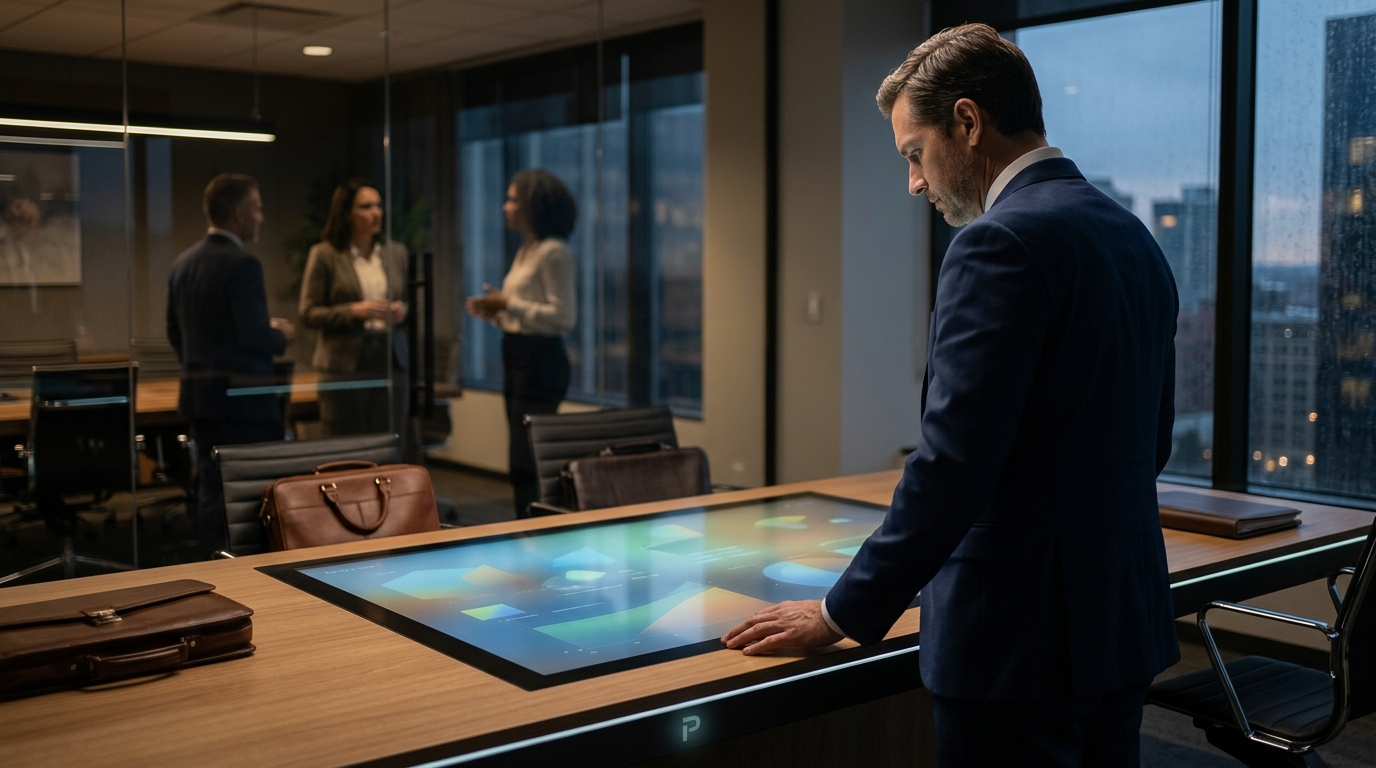
The legal landscape has shifted dramatically in the last decade, moving away from static paper exhibits toward dynamic, interactive digital presentations. According to recent industry analyses, over 85% of federal judges now prefer or require digital exhibits for complex litigation, a significant jump from previous years. This transition is not merely a matter of convenience but a fundamental change in how evidence is perceived and retained by jurors. The integration of trial technology transforms abstract data into tangible narratives, allowing legal teams to control the pace and focus of the courtroom presentation. For firms handling high-stakes matters, the difference between a compelling digital exhibit and a cluttered paper binder can determine the outcome of a case.
Defining Modern Trial Technology
Before analyzing the advantages, it is crucial to establish what constitutes trial technology in a modern context. Trial technology is the systematic use of digital hardware and software to present evidence, manage case files, and facilitate communication during legal proceedings. This definition encompasses a wide array of tools, from simple PowerPoint presentations to sophisticated 3D animations, virtual reality simulations, and real-time deposition transcription systems. It also includes the human element, often referred to as "hot seaters" or trial technicians, who manage these systems to ensure seamless execution.
Persuadius, formerly known as A2L Consulting, has been at the forefront of this evolution for over thirty years. The firm works with top law firms on more than 10,000 matters, cumulatively involving at least $2 trillion at stake. This extensive experience highlights the critical role that technology plays in modern litigation strategy. The goal is not just to display information but to persuade. As noted in recent discussions on legal persuasion, the medium through which evidence is delivered significantly impacts its weight in the eyes of a jury.
Enhancing Visual Persuasion and Clarity
The primary advantage of trial technology is its ability to enhance visual persuasion. Human beings are visual creatures, and complex legal arguments often get lost in dense text. Digital exhibits allow attorneys to highlight, zoom, and animate key details, directing the jury's attention exactly where it needs to be. This control is impossible with traditional paper exhibits, where jurors must search for relevant information on their own.
For instance, in a complex medical malpractice case, a 3D anatomical model can demonstrate the precise nature of an injury far more effectively than a static X-ray. Similarly, in intellectual property disputes, side-by-side digital comparisons can reveal subtle differences in design or code that are critical to the argument. The clarity provided by these tools reduces cognitive load for jurors, allowing them to focus on the legal implications rather than deciphering the evidence.
This approach aligns with the principles of litigation graphics consulting, which focuses on creating demonstrative exhibits that capture the essence of a presentation. By leveraging high-quality graphics, legal teams can create a more compelling narrative that resonates with jurors on an emotional and logical level.
Boosting Juror Engagement and Retention
Jury attention spans are notoriously short, especially in lengthy trials. Trial technology combats this by introducing dynamic elements that keep jurors engaged. Interactive presentations, such as those managed by trial technicians and hot seaters, allow for real-time adjustments based on the flow of the trial. This interactivity prevents the monotony that often accompanies traditional trial presentations.
Research in cognitive psychology suggests that active engagement leads to better information retention. When jurors are actively looking for information on a screen, they are more likely to remember it later. This is particularly important in cases where the outcome hinges on specific details of the evidence. By making the presentation more engaging, legal teams can improve the likelihood that jurors will recall key points during deliberations.
Furthermore, the professional appearance of digital exhibits signals competence and preparedness. Jurors often subconsciously associate the quality of a presentation with the strength of the case. A polished, well-executed digital presentation can enhance the credibility of the legal team, whereas a clunky or outdated presentation may undermine it.
Operational Efficiency and Real-Time Adaptation
One of the most practical advantages of trial technology is the operational efficiency it brings to the courtroom. Digital case management systems allow legal teams to organize thousands of documents, depositions, and exhibits in a searchable database. This accessibility means that attorneys can quickly locate and display evidence in response to opposing counsel's arguments, a capability that is crucial in fast-paced trial environments.
Real-time adaptation is another significant benefit. Trial technology enables legal teams to modify their presentations on the fly. If a witness's testimony shifts the focus of the case, attorneys can instantly pull up relevant exhibits to support their argument. This flexibility is impossible with static paper binders, which require time-consuming physical searches. The ability to adapt quickly can be the difference between maintaining momentum and losing the jury's attention.
This efficiency extends to the preparation phase as well. Tools for opening statement drafting and support allow teams to visualize their narrative structure and ensure that all evidence aligns with their theory of the case. This strategic planning reduces the risk of surprises during trial and ensures a cohesive presentation.
Simplifying Complex Data and Financials
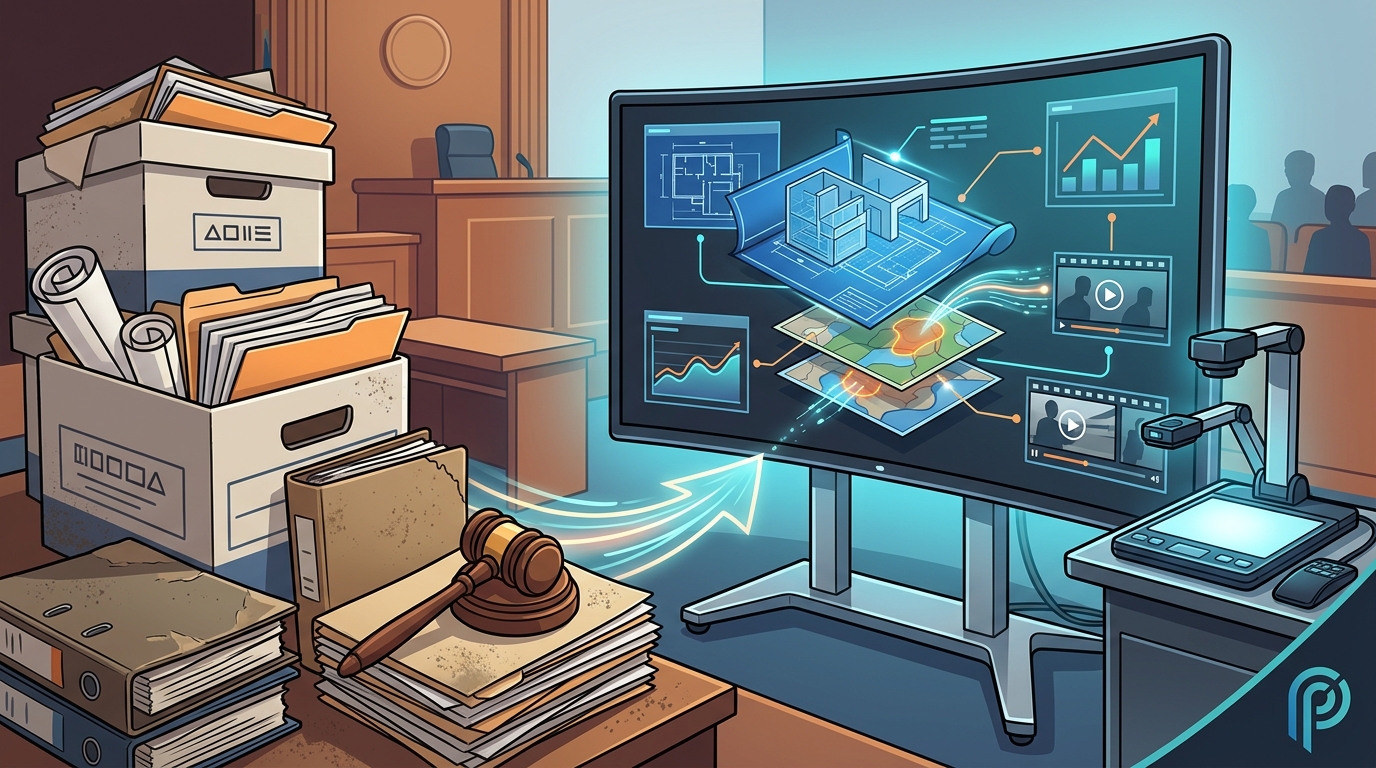
In cases involving significant financial damages or complex technical data, trial technology is indispensable. Spreadsheets and financial models can be overwhelming for jurors when presented in raw format. Digital tools allow legal teams to transform this data into clear, easy-to-understand charts, graphs, and animations. This simplification is critical for helping jurors grasp the magnitude of damages or the intricacies of a technical dispute.
For example, in a patent infringement case, a timeline animation can clearly illustrate the sequence of events and the development of the technology in question. In a commercial litigation case, a dynamic financial model can show how damages were calculated, making the argument more transparent and credible. The ability to simplify complex information is a key advantage of trial technology, as it bridges the gap between technical expertise and juror understanding.
This approach is supported by the principles of jury research and consulting, which emphasize the importance of testing communication strategies with mock juries. By using trial technology to present simplified data, legal teams can ensure that their message is clear and persuasive before entering the courtroom.
Strategic Implementation with Persuadius
Implementing trial technology effectively requires more than just hardware and software. It requires a strategic approach that aligns with the specific needs of the case and the preferences of the judge. Persuadius offers a comprehensive suite of services to support legal teams in this endeavor. From litigation consulting to trial graphics and jury research, the firm provides end-to-end support for complex litigation.
The firm's team of experts includes experienced trial technicians, litigation graphics consultants, and jury consultants who work together to create a cohesive trial strategy. This collaborative approach ensures that all aspects of the presentation, from the visual design to the technical execution, are optimized for maximum impact. Clients have praised Persuadius for their diligence, creativity, and ability to perform under extreme time pressure.
By partnering with Persuadius, legal teams can leverage decades of experience in complex litigation. The firm's track record of working with top law firms on high-stakes matters demonstrates its ability to deliver results. Whether the case involves a complex technical dispute, a high-profile commercial litigation, or a sensitive personal injury claim, Persuadius provides the tools and expertise needed to succeed.
Key Takeaways
- Visual Persuasion: Digital exhibits allow for dynamic highlighting and animation, directing juror attention more effectively than static paper.
- Juror Retention: Interactive presentations reduce cognitive load and improve information retention by keeping jurors actively engaged.
- Real-Time Adaptation: Trial technology enables instant access to evidence, allowing legal teams to respond quickly to witness testimony.
- Data Simplification: Complex financial and technical data can be transformed into clear charts and animations for easier juror comprehension.
- Professional Credibility: A polished digital presentation enhances the perceived competence and preparedness of the legal team.
- Strategic Support: Partnering with experts like Persuadius ensures that technology is used strategically to support the case narrative.
- Proven Track Record: Persuadius has worked on over 10,000 matters with at least $2 trillion cumulatively at stake, demonstrating extensive experience.
Frequently Asked Questions
What is the role of a trial technician in court?
A trial technician, often referred to as a "hot seater," manages the technical aspects of the trial presentation. This includes operating the hardware, managing digital exhibits, and ensuring that all technology functions smoothly during the proceedings. They act as the bridge between the legal team and the technology, allowing attorneys to focus on their arguments.
How does trial technology improve juror engagement?
Trial technology improves engagement by introducing dynamic and interactive elements to the presentation. This includes animations, zoom capabilities, and real-time data visualization, which keep jurors actively involved in the evidence rather than passively listening to text-heavy arguments.
Can trial technology be used for complex financial cases?
Yes, trial technology is particularly effective for complex financial cases. It allows legal teams to transform dense spreadsheets and financial models into clear, easy-to-understand charts and graphs. This simplification helps jurors grasp the magnitude of damages and the logic behind the calculations.
What is the difference between litigation graphics and trial technology?
Litigation graphics refers to the design and creation of visual exhibits, such as diagrams, animations, and timelines. Trial technology encompasses the broader ecosystem of hardware and software used to present these graphics, as well as the management of digital case files and real-time presentation tools. Both are essential components of a modern trial strategy.
How does Persuadius support legal teams with trial technology?
Persuadius provides comprehensive support, including jury research, litigation graphics consulting, and trial technician services. Their team works closely with legal teams to develop a cohesive strategy that leverages technology to enhance persuasion and clarity. They offer 24/7 support to handle last-minute questions and ensure seamless execution.
Is trial technology suitable for all types of cases?
While trial technology is most commonly associated with complex litigation, it can be beneficial in almost any case. Even in simpler matters, digital exhibits can help clarify key points and keep the jury engaged. The key is to use technology strategically to support the case narrative, rather than for its own sake.
What are the benefits of using a national trial consulting firm?
National firms like Persuadius have experience with a wide variety of cases and jurisdictions. This broad experience allows them to bring best practices and innovative solutions to any case. Additionally, they have the resources to provide consistent, high-quality support across multiple locations, which is crucial for cases that span different regions.
Contact Persuadius for Trial Support
Ready to elevate your trial presentation with cutting-edge technology? Persuadius offers nationwide jury consulting, trial graphics, and trial tech services to help you win your case. Contact our national headquarters today to discuss your needs. You can reach us by phone at 800.847.9330 or by email at contact@persuadius.com. We are available 24/7 to assist you with conflicts checks, last-minute questions, or strategic planning. Visit our contact page to learn more about how we can support your litigation efforts.