
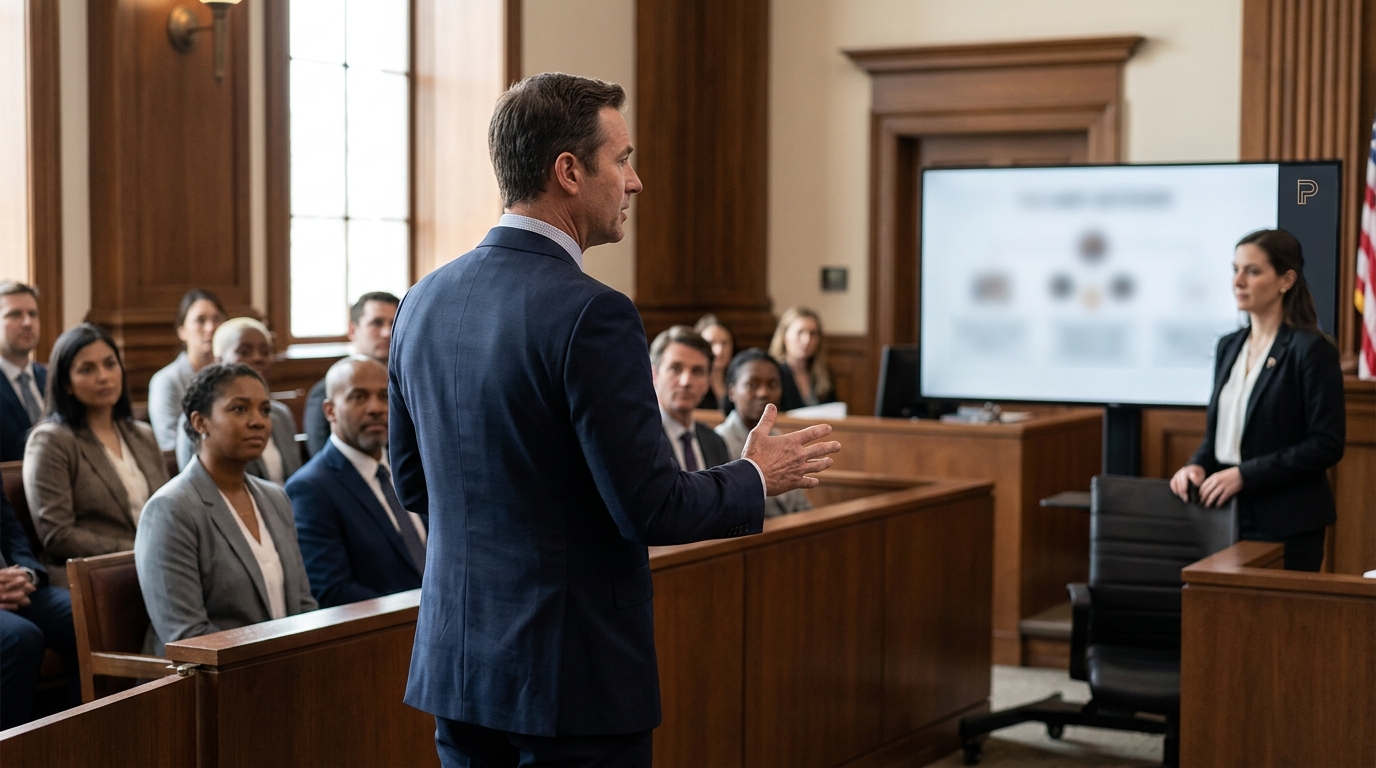
Research indicates that the first few minutes of a trial are the most critical for shaping juror perception, with studies showing that jurors who hear a clear, narrative-driven opening statement are significantly more likely to retain case facts and align with the attorney's theory of the case. In the high-stakes environment of litigation, the opening statement is not merely a procedural formality but the primary opportunity to frame the entire trial narrative. For legal teams seeking to maximize persuasive impact, understanding the psychological underpinnings of juror decision-making is essential. This guide outlines the definitive best practices for crafting opening statements that resonate, persuade, and ultimately win.
Why Opening Statements Matter
The opening statement sets the stage for everything that follows. It is the attorney's chance to tell a compelling story that makes the evidence easy to understand and remember. According to legal psychology research, jurors form initial impressions within the first few minutes of hearing a case. These early impressions create a cognitive framework that influences how they interpret subsequent testimony and evidence. If the opening statement is weak, confusing, or overly technical, jurors may struggle to follow the case, leading to unfavorable verdicts.
Effective opening statements do more than just list facts. They provide a roadmap for the trial, guiding jurors through the evidence in a logical and persuasive manner. This roadmap helps jurors understand the relevance of each piece of evidence and how it fits into the overall narrative. By establishing a clear theory of the case early on, attorneys can influence juror perception and increase the likelihood of a favorable outcome. For firms looking to enhance their trial strategy, understanding these dynamics is crucial. Explore our litigation consulting blog for more insights on trial strategy.
The Power of Narrative Structure
One of the most effective ways to craft an opening statement is to use a narrative structure. Humans are wired to respond to stories, and a well-told story can be far more persuasive than a list of facts. A narrative opening statement typically includes a clear beginning, middle, and end, with a central conflict that the attorney resolves through the evidence. This structure helps jurors follow the case and remember key points.
Creating a Compelling Story
To create a compelling story, start with a strong hook that grabs the jurors' attention. This could be a surprising fact, a powerful quote, or a vivid description of the events in question. Next, introduce the main characters, including the plaintiff or defendant, and explain their motivations and actions. Finally, present the conflict and the resolution, showing how the evidence supports your client's position.
It is important to keep the story simple and focused. Avoid including too many details or tangents, as this can confuse jurors and dilute the impact of your message. Instead, focus on the key events and arguments that support your theory of the case. By presenting a clear and concise narrative, you can help jurors understand and remember the most important aspects of your case. For more on storytelling in litigation, read our latest articles on storytelling.
Using Plain Language
Another critical aspect of narrative structure is the use of plain language. Legal jargon and complex terminology can alienate jurors and make it difficult for them to follow the case. Instead, use clear, simple language that anyone can understand. This does not mean oversimplifying the case, but rather explaining complex concepts in a way that is accessible to a lay audience.
For example, instead of using technical terms like "negligence per se," explain the concept in plain language by describing how the defendant failed to follow a specific rule or standard of care. By using plain language, you can ensure that jurors understand your arguments and are more likely to be persuaded by them. This approach is particularly effective in complex litigation where technical details can overwhelm jurors.
Integrating Visual Advocacy
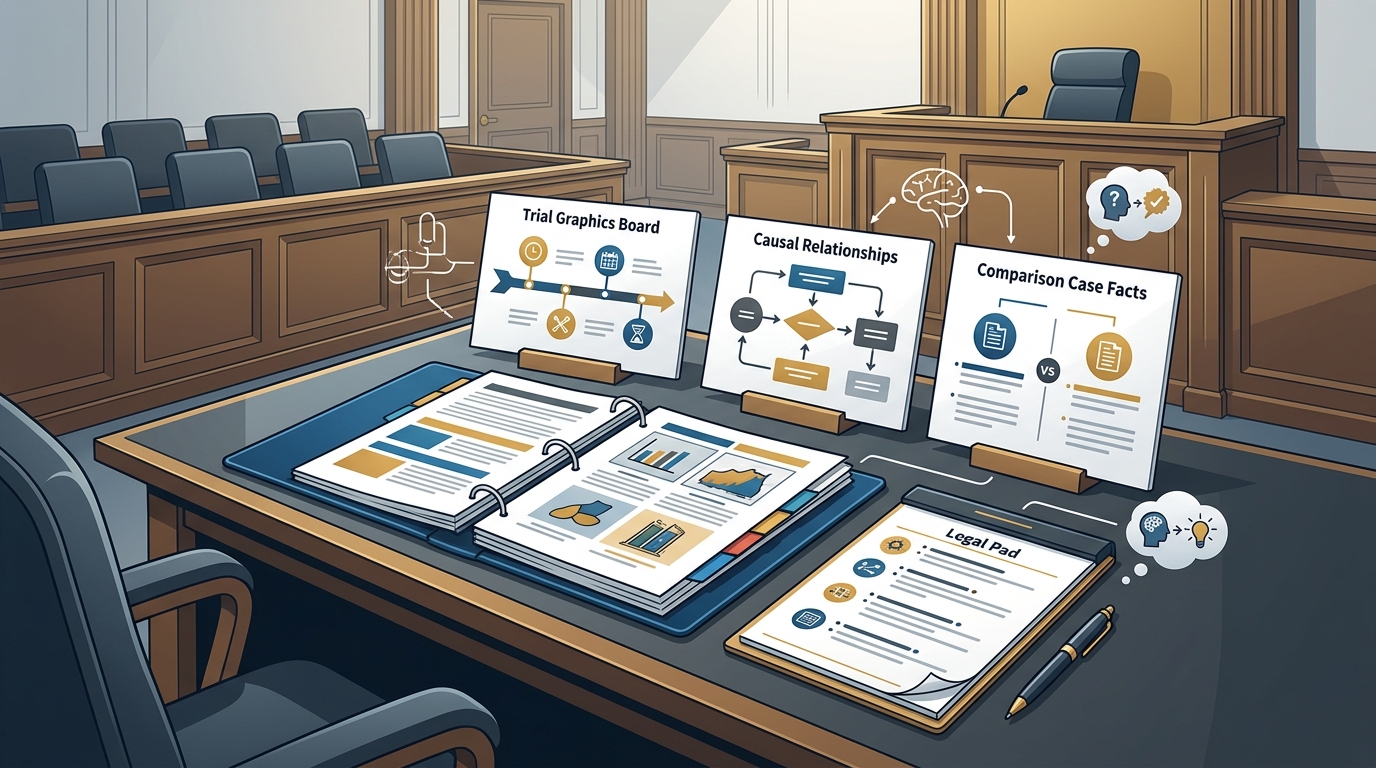
Visual aids can significantly enhance the effectiveness of an opening statement. Jurors are more likely to remember information that is presented visually, and well-designed graphics can help clarify complex concepts and make the case more engaging. Visual advocacy involves using charts, diagrams, timelines, and other visual tools to support your narrative and highlight key points.
Choosing the Right Visuals
When selecting visual aids, it is important to choose images and graphics that are relevant and easy to understand. Avoid cluttered or overly complex visuals, as these can distract jurors and obscure your message. Instead, focus on creating clean, professional graphics that highlight the most important aspects of your case.
For example, a timeline can be used to show the sequence of events in a personal injury case, while a diagram can be used to explain the mechanics of a product defect. By using visuals strategically, you can help jurors visualize the case and better understand your arguments. For expert assistance with trial graphics, contact our litigation consulting team.
Timing and Placement
The timing and placement of visual aids are also important. Introduce visuals at key moments in your opening statement to reinforce your points and maintain juror engagement. Avoid showing too many visuals at once, as this can overwhelm jurors and reduce their ability to process the information. Instead, introduce visuals one at a time, allowing jurors to absorb each image before moving on to the next.
Additionally, ensure that your visuals are visible to all jurors and the judge. Test your technology beforehand to ensure that everything works smoothly during the trial. By carefully planning the timing and placement of your visual aids, you can maximize their impact and enhance the overall effectiveness of your opening statement.
Avoiding Common Pitfalls
Even experienced attorneys can fall into common traps when crafting opening statements. Being aware of these pitfalls can help you avoid them and create a more effective presentation.
Overloading with Information
One of the most common mistakes is overloading the opening statement with too much information. Jurors have a limited capacity for processing new information, and presenting too many facts and arguments can overwhelm them. Instead, focus on the most critical points and leave the details for the evidence phase. By keeping your opening statement concise and focused, you can ensure that jurors remember the key messages.
Using Bullet Points
Another pitfall is relying too heavily on bullet points. While bullet points can be useful for organizing thoughts, they can also kill persuasion by making the presentation feel disjointed and less engaging. Instead, use full sentences and paragraphs to create a flowing narrative. This approach helps maintain juror interest and makes the case more memorable. For more on this topic, check our blog post on bullet points.
Ignoring Juror Psychology
Finally, ignoring juror psychology is a significant error. Jurors are not passive recipients of information; they actively interpret and evaluate evidence based on their own beliefs and experiences. Understanding juror psychology can help you tailor your opening statement to resonate with the jury. For instance, addressing potential biases or concerns early on can help mitigate their impact. Learn more about jury research to better understand these dynamics.
Validating Through Mock Trials
One of the most effective ways to test the impact of an opening statement is through mock trials. Mock trials allow legal teams to present their case to a simulated jury and receive feedback on their performance. This feedback can help identify strengths and weaknesses in the opening statement and guide revisions before the actual trial.
Conducting Effective Mock Trials
To conduct an effective mock trial, select a diverse group of participants who reflect the demographics of the actual jury pool. Present the opening statement in a realistic setting, using the same technology and visual aids that will be used in the trial. After the presentation, gather feedback from the participants on their understanding of the case, their impressions of the attorney, and their likelihood of voting for your client.
Use this feedback to refine your opening statement. Pay attention to any points of confusion or disengagement, and adjust your narrative accordingly. Mock trials provide valuable insights that can significantly improve the effectiveness of your opening statement. For professional mock trial services, contact our jury consulting team.
Iterative Refinement
Mock trials should be viewed as an iterative process. After making revisions based on initial feedback, conduct additional mock trials to test the changes. This iterative approach ensures that your opening statement is continuously improved and optimized for maximum impact. By validating your opening statement through mock trials, you can enter the trial with greater confidence and clarity.
Key Takeaways
- Narrative is King: Jurors respond best to clear, compelling stories that provide a roadmap for the evidence.
- Visual Aids Enhance Retention: Strategic use of graphics and timelines can significantly improve juror understanding and recall.
- Plain Language is Essential: Avoid legal jargon to ensure all jurors can follow and engage with your arguments.
- Mock Trials Provide Validation: Testing your opening statement with a simulated jury helps identify and fix weaknesses.
- Psychology Matters: Understanding juror biases and cognitive processes allows for more persuasive framing.
- Conciseness Wins: Overloading with information can overwhelm jurors; focus on key points.
- Professional Support: Leveraging expert litigation consultants can elevate your trial strategy and outcomes.
Frequently Asked Questions
How long should an opening statement be?
There is no fixed length, but it should be concise enough to maintain juror attention while covering all essential points. Typically, it ranges from 10 to 20 minutes, depending on the complexity of the case.
Can I use bullet points in my opening statement?
While bullet points can organize thoughts, they often reduce persuasion by making the presentation feel disjointed. Full sentences and a flowing narrative are generally more effective.
Why are visual aids important in an opening statement?
Visual aids help clarify complex concepts, maintain juror engagement, and improve information retention. They provide a visual anchor for the narrative.
How can mock trials help improve my opening statement?
Mock trials provide real-time feedback from a simulated jury, helping you identify confusing or unconvincing parts of your statement and refine your approach.
What is the role of plain language in legal presentations?
Plain language ensures that jurors, who are not legal experts, can easily understand your arguments and the facts of the case, reducing the risk of misinterpretation.
How do I handle juror biases during an opening statement?
Address potential biases early by framing the case in a way that acknowledges and mitigates these concerns, using evidence and logic to guide jurors toward your theory.
When should I introduce visual aids?
Introduce visual aids at key moments to reinforce your points. Avoid showing too many at once to prevent overwhelming the jurors.
Is it necessary to hire a litigation consultant?
While not strictly necessary, hiring a litigation consultant can provide expert insights, professional graphics, and mock trial services that significantly enhance your trial strategy.
Ready to Elevate Your Trial Strategy?
Effective opening statements are the cornerstone of successful litigation. By focusing on narrative structure, visual advocacy, and juror psychology, you can create a compelling case that resonates with jurors. For expert support in jury research, trial graphics, and mock trials, contact Persuadius today to schedule a consultation and secure your path to victory.