

The opening statement is the most critical moment in any trial. It sets the narrative framework that jurors will use to interpret every piece of evidence presented later. Research indicates that jurors form initial impressions within the first few minutes of hearing counsel speak. According to studies on juror psychology, the opening statement establishes the "lens" through which all subsequent testimony is viewed. If you fail to provide a clear, compelling story early on, jurors may fill the void with their own assumptions, often to the detriment of your case. This guide outlines the definitive strategies for crafting an opening statement that persuades, informs, and wins. (Persuadius and A2L Customer)
The Power of Narrative Structure
A successful opening statement is not a list of facts. It is a story. Jurors are natural storytellers. They want to understand who did what, why, and how. Your goal is to provide a coherent framework that makes your client's version of events the most logical and believable one. (Persuadius Nationwide Jury Consulting)
Establish the Theme Early
The theme is the single, overarching concept that summarizes your case. It should be simple, memorable, and emotionally resonant. For example, a theme might be "Safety First" in a negligence case or "Honesty in Business" in a contract dispute. Every piece of evidence you plan to introduce should tie back to this theme. If it does not, do not include it. This discipline keeps your argument focused and prevents juror confusion.
Use the "Story Chain" Method
Connect your facts in a logical sequence. Start with the background, move to the incident, and conclude with the impact. This chronological flow helps jurors build a mental model of the events. When you present information out of order, you force jurors to work harder to understand the timeline. This cognitive load can lead to disengagement or misinterpretation. A clear story chain reduces this burden and enhances retention.
Integrating Litigation Graphics
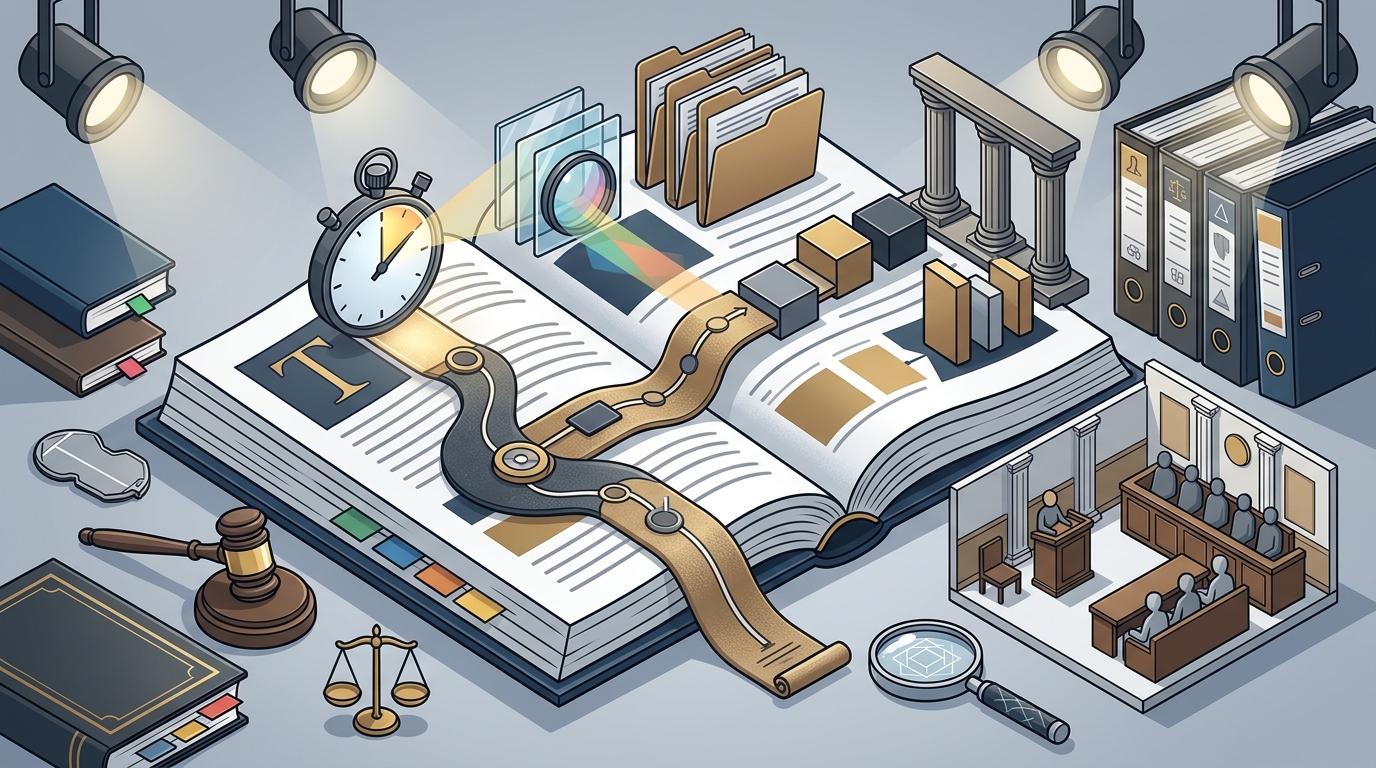
Modern trials are increasingly visual. Jurors expect to see evidence, not just hear about it. Litigation graphics transform complex data into digestible visual narratives. According to industry benchmarks, visual aids can increase juror retention of information by up to 400 percent compared to verbal descriptions alone. This statistic highlights the necessity of integrating high-quality demonstrative exhibits into your opening statement.
Strategic Use of Demonstratives
Do not overwhelm the jury with cluttered slides. Each graphic should serve a specific purpose. Use timelines to clarify complex schedules. Use diagrams to explain technical processes. Use photographs to humanize the impact of an incident. The key is simplicity. If a juror cannot understand the graphic in three seconds, it is too complex. Simplify your visuals to highlight the most persuasive elements of your case.
Consistency is Key
Your graphics must align perfectly with your verbal narrative. If you describe a sequence of events, your timeline should reflect that sequence exactly. Any discrepancy between your words and your visuals will destroy your credibility. Jurors notice these inconsistencies immediately. They will assume that if you are careless with your graphics, you are careless with the truth. Ensure that every visual element is reviewed for accuracy and relevance before entering the courtroom.
Psychological Principles of Persuasion
Persuasion is not just about logic. It is about emotion and psychology. Understanding how jurors process information allows you to craft an opening statement that resonates on a deeper level.
Overcoming Confirmation Bias
Jurors enter the courtroom with pre-existing beliefs. They will naturally seek information that confirms these beliefs and ignore information that contradicts them. Your opening statement must proactively address these biases. Acknowledge potential counterarguments and dismantle them early. By addressing the elephant in the room, you reduce the power of the opposition's arguments later. This technique, known as "inoculation," strengthens your position by making it more resilient to attack.
The Primacy and Recency Effects
Jurors remember what they hear first and last. This is known as the primacy and recency effect. Therefore, your opening statement must start with your strongest point and end with your most memorable conclusion. Do not waste the beginning on procedural details or apologies. Start with the core truth of your case. Similarly, do not end with a whimper. End with a powerful, emotional appeal that ties back to your theme.
Humanize the Client
Jurors decide cases based on who they like and trust. Your opening statement should humanize your client. Share their background, their values, and their perspective. Make them relatable. If your client is a corporation, focus on the people who work there or the customers they serve. If your client is an individual, highlight their character and their motivations. Empathy is a powerful persuasive tool.
Common Mistakes to Avoid
Even experienced attorneys make mistakes in their opening statements. Avoiding these pitfalls can significantly improve your performance.
Reading from a Script
Reading verbatim from a script creates a barrier between you and the jury. It sounds robotic and unconvincing. Instead, use bullet points or an outline to guide your delivery. This allows you to maintain eye contact and speak naturally. If you must read, do so sparingly and only for critical legal standards or exact quotes. The rest should be delivered with passion and conviction.
Overpromising
Never promise a specific outcome in your opening statement. Jurors are skeptical of attorneys who guarantee a win. Instead, promise to prove your case. Use language like "We will show you" or "The evidence will demonstrate." This approach is more credible and less likely to backfire if the trial does not go exactly as planned. Overpromising can lead to juror resentment if the evidence falls short.
Ignoring the Opposition
Some attorneys believe they should never mention the opposition's case. This is a mistake. If you ignore the opposition's strongest arguments, jurors will fill in the blanks themselves. Address the opposition's case head-on. Explain why their arguments are flawed or irrelevant. This shows confidence and control. It also prevents the opposition from catching you off guard later.
Litigation Support Services Comparison
Choosing the right support team is crucial for trial success. Below is a comparison of key litigation support services offered by Persuadius.
| Service | Description | Benefit |
|---|---|---|
| Jury Research (Best Practices for) | Focus groups and mock trials to test case themes. | Identifies juror biases and refines persuasive strategies. |
| Litigation Graphics | Custom demonstrative exhibits and visual aids. | Enhances juror understanding and retention of complex data. |
| Opening Statement Drafting | Expert assistance in crafting the narrative. | Ensures a compelling, structured, and persuasive opening. |
| Trial Techs | In-court technology support and hot seating. | Ensures seamless presentation of digital evidence. |
Key Takeaways
- Narrative is King: Jurors decide cases based on the story they believe. Your opening statement must provide a coherent, compelling narrative.
- Visuals Matter: Litigation graphics can increase juror retention by up to 400 percent. Use them strategically to simplify complex information.
- Address Biases: Proactively counter juror confirmation bias by addressing counterarguments early in your opening.
- Humanize the Client: Build empathy by sharing the client's background and values. Jurors trust people they like.
- Avoid Overpromising: Promise to prove your case, not to win. This maintains credibility and manages expectations.
- Practice Delivery: Do not read from a script. Use outlines to maintain eye contact and natural delivery.
- Expert Support: Persuadius has worked on over 10,000 matters with more than $2 trillion at stake. Leveraging their expertise can significantly impact your trial outcome.
Frequently Asked Questions
How long should an opening statement be?
The length varies by jurisdiction and case complexity. However, the goal is to be concise yet comprehensive. Focus on clarity and impact rather than duration. A well-crafted opening statement is often shorter than attorneys anticipate.
Can I use bullet points in my opening statement?
While bullet points can be useful for outlining, they should not dominate your verbal delivery. Over-reliance on bullet points can kill persuasion by making your argument feel disjointed. Use them sparingly to guide your notes, not to structure your speech.
What is the role of litigation graphics in an opening statement?
Litigation graphics serve to clarify complex information and reinforce your narrative. They help jurors visualize the events and understand the evidence. Effective graphics are simple, accurate, and aligned with your theme.
How do I handle juror skepticism during my opening?
Address skepticism head-on. Acknowledge potential doubts and provide evidence to counter them. Use empathy and transparency to build trust. If jurors feel you are honest and confident, they are more likely to give you the benefit of the doubt.
What is the difference between jury consulting and trial consulting?
Jury consulting focuses on understanding juror psychology and selecting the right jury. Trial consulting encompasses a broader range of services, including graphics, technology, and strategic advice. Both are critical for trial success.
How can Persuadius help with my opening statement?
Persuadius offers expert opening statement drafting support, jury research, and litigation graphics. Their team has over thirty years of experience working with top law firms. They can help you craft a persuasive narrative and create compelling visual aids.
What is the "Story Chain" method?
The "Story Chain" method involves connecting facts in a logical, chronological sequence. This helps jurors build a mental model of the events. It reduces cognitive load and enhances retention of your argument.
Contact Persuadius for Trial Support
Preparing for trial requires precision, strategy, and expertise. Persuadius provides comprehensive litigation consulting services to help you win. From jury research to litigation graphics, our team is dedicated to your success. Contact us today to schedule a consultation and learn how we can support your case.
Click here to contact Persuadius for more information on our services. You can also call our national toll-free line at 800.847.9330. Our team is available 24/7 to assist you with your litigation needs.