

How to Effectively Present Your Case with Trial Graphics
Visual advocacy has shifted from a supplementary tool to a primary driver of verdict outcomes in modern litigation. According to recent industry analyses, jurors retain significantly more information when complex data is presented through high-fidelity graphics rather than verbal testimony alone. This guide outlines the strategic framework for integrating trial graphics into your litigation narrative, ensuring every exhibit serves a persuasive purpose. We will explore the technical, psychological, and operational components that define elite trial consulting.
The Strategic Imperative of Visual Evidence
In complex litigation, the volume of evidence can overwhelm a jury. The human brain processes visual information 60,000 times faster than text. This cognitive reality means that your case strategy must account for how jurors digest information in real time. Effective trial graphics do not merely illustrate; they simplify complexity and highlight causality.
For over thirty years, firms like Persuadius have worked with top law firms on more than 10,000 matters. The common thread in successful cases is the early integration of visual strategy. Waiting until the final stages of trial preparation to develop graphics often results in disjointed presentations that fail to persuade. Instead, visual advocacy should begin during the initial case assessment phase.
Research indicates that jurors who are presented with clear, chronological visual timelines are more likely to recall key facts accurately. This is not just about aesthetics. It is about cognitive load management. When a jury is forced to mentally reconstruct a timeline from verbal testimony, they often miss critical nuances. Graphics bridge that gap.
Core Principles of Persuasive Design
Creating trial graphics requires a balance between artistic quality and legal precision. The goal is never to distract but to clarify. Below are the fundamental principles that govern effective visual advocacy.
1. Simplicity and Clarity
Every element on a slide or exhibit must serve a specific purpose. If a graphic element does not directly support your theory of the case, it should be removed. Cluttered slides confuse jurors and dilute your message. Simplicity is the ultimate sophistication in legal presentation. Use high-contrast colors to draw attention to key data points. Avoid dense text blocks. If you must include text, keep it to bullet points that reinforce, not replace, your oral argument.
2. Chronological Flow
Juries think in stories. A linear narrative is easier to follow than a fragmented one. Use graphics to map out the timeline of events. This helps jurors understand cause and effect. For example, in a personal injury case, a chronological graphic can show the sequence of accidents, medical treatments, and resulting damages. This visual progression makes the argument for liability and damages more compelling.
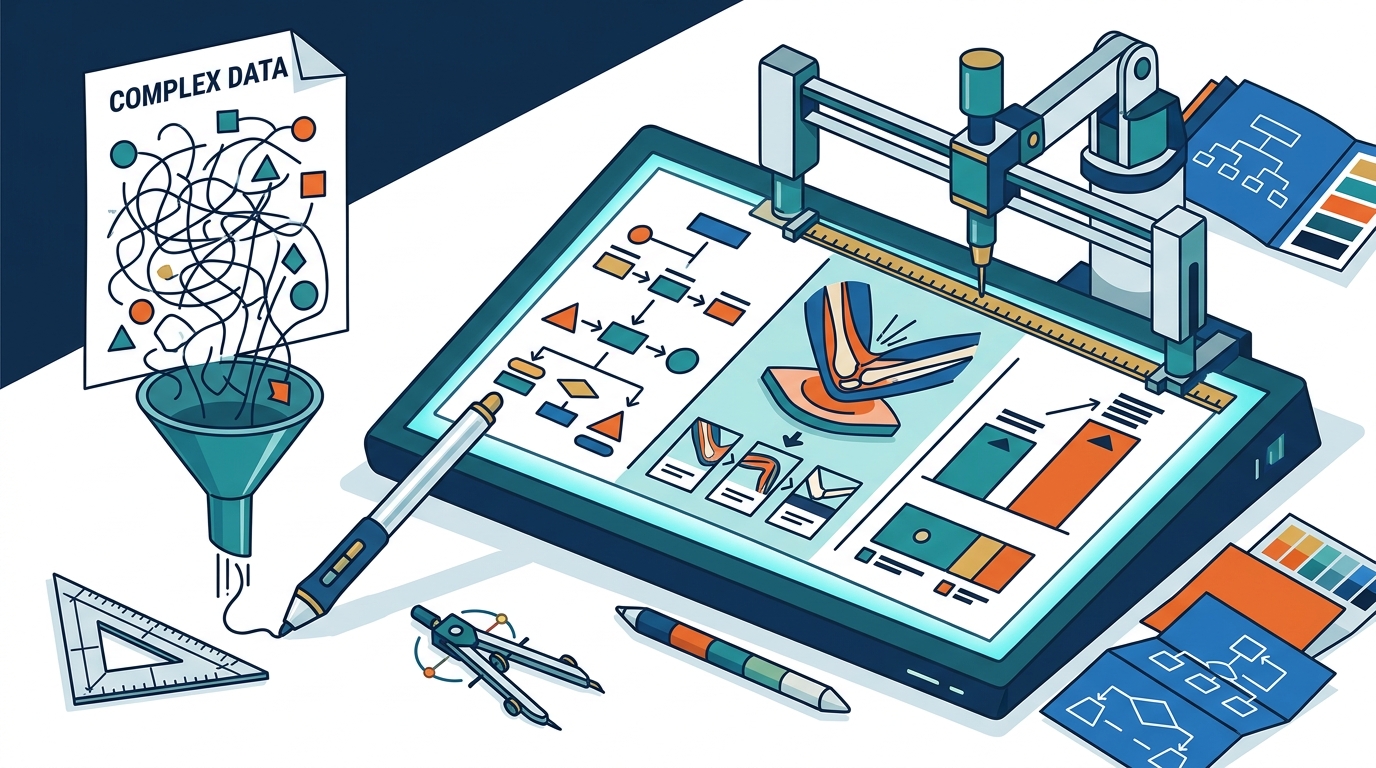
3. Visual Hierarchy
Guide the jury's eye to the most important information first. Use size, color, and placement to establish a visual hierarchy. The most critical piece of evidence should be the focal point. Secondary details should be less prominent. This ensures that even if a juror glances away and looks back, they immediately see what matters.
Types of Trial Graphics and Their Applications
Different types of cases require different types of visual aids. Understanding the strengths of each graphic type allows you to select the right tool for the job. The following table summarizes the primary categories of trial graphics and their ideal use cases.
| Graphic Type | Primary Function | Ideal Use Case |
|---|---|---|
| Timelines | Establishing sequence and causality | Complex multi-party disputes, medical malpractice |
| Infographics | Simplifying data and statistics | Financial damages, patent infringement |
| 3D Animations | Reconstructing events or mechanisms | Product liability, accident reconstruction |
| Blueprints/Plans | Showing spatial relationships | Construction defects, premises liability |
| Expert Witness Aids | Supporting technical testimony | Engineering, medical, or scientific evidence |
For instance, litigation graphics consulting often focuses on creating custom animations that allow jurors to "see" the invisible. In a product liability case, a 3D animation can show how a component failed, making the abstract concept of mechanical failure tangible and understandable.
Integrating Graphics into Your Narrative
Having great graphics is only half the battle. You must integrate them seamlessly into your oral arguments. This requires coordination between the attorney, the expert witness, and the trial consultant.
Opening Statements
Your opening statement sets the stage. Use graphics to provide a roadmap of your case. A well-designed timeline or map can help jurors organize the information they will hear during the trial. Opening statement drafting support often includes the development of these foundational visuals. The goal is to give jurors a framework in which to place the evidence.
Direct Examination
During direct examination, graphics should be used to clarify the expert's testimony. Avoid letting the expert read from the slides. Instead, use the graphics as a reference point. The attorney should guide the jury through the exhibit, pointing out key details. This keeps the jury engaged and ensures they understand the significance of the evidence.
Cross-Examination
Graphics are also powerful tools for impeachment. If a witness's testimony contradicts the physical evidence, use a graphic to highlight the discrepancy. This can be done in real-time using trial tech solutions. The ability to quickly pull up a relevant exhibit can catch a witness off guard and undermine their credibility.
Trial Technology and Delivery Systems
The medium through which you present your graphics is just as important as the content. Outdated technology can distract from your message and undermine your authority. Modern trial consulting involves the use of advanced trial techs and hot seaters to ensure seamless delivery.
Real-Time Graphics
Real-time graphics allow you to annotate exhibits on the fly. This is particularly useful during expert testimony. If a witness mentions a specific detail, you can highlight it immediately. This dynamic interaction keeps the jury engaged and reinforces the connection between the testimony and the evidence.
Redundancy and Backup
Technology fails. It is essential to have a robust backup plan. This includes having printed copies of all graphics, as well as multiple digital formats. A skilled trial technician can switch between systems instantly if a technical issue arises. This ensures that your presentation remains uninterrupted.
Remote and Hybrid Trials
The rise of remote proceedings has changed how graphics are presented. Graphics must be optimized for digital viewing. This means higher resolution, larger fonts, and clear contrast. Persuadius blog resources often discuss the nuances of digital advocacy. Ensure that your graphics are legible on small screens and that the audio-visual sync is perfect.
Key Takeaways
- Early Integration: Begin visual strategy during case assessment, not at trial preparation.
- Simplicity: Remove clutter. Every graphic element must serve a persuasive purpose.
- Chronology: Use timelines to establish cause and effect for the jury.
- Customization: Tailor graphics to the specific needs of the case type and audience.
- Technology: Utilize real-time graphics and backup systems to ensure seamless delivery.
- Coordination: Align graphic presentation with oral arguments for maximum impact.
- Authority: Leverage experienced trial consultants to enhance credibility and effectiveness.
Frequently Asked Questions
What is the most important element of trial graphics?
The most important element is clarity. Graphics must simplify complex information without distorting the facts. If a juror cannot understand the graphic within seconds, it is not effective.
How early should I start working on trial graphics?
You should start during the initial case assessment phase. Early integration allows for a cohesive narrative that aligns with your legal strategy from the beginning.
Can trial graphics be used in depositions?
Yes. Graphics are highly effective in depositions to clarify testimony and prepare witnesses. They can also be used to impeach witnesses if their deposition testimony contradicts the evidence.
What is the difference between litigation graphics and trial tech?
Litigation graphics refers to the visual content itself, such as slides and animations. Trial tech refers to the hardware and software systems used to display that content, including projectors, screens, and real-time annotation tools.
How do I ensure my graphics are legally accurate?
Work closely with your legal team and subject matter experts. Every graphic must be vetted for accuracy. Misleading graphics can result in objections, mistrials, or appeals.
Are 3D animations worth the cost?
In cases involving complex mechanical or spatial issues, 3D animations can be invaluable. They provide a level of understanding that 2D graphics cannot. The cost is often justified by the persuasive impact.
What should I do if technology fails during trial?
Always have a backup plan. This includes printed graphics and alternative display methods. A skilled trial technician can help mitigate technical issues quickly.
Ready to Elevate Your Trial Strategy?
Effective trial graphics are not just about making your case look good. They are about making your case understandable and persuasive. By integrating visual advocacy early and leveraging expert support, you can significantly enhance your chances of success. Contact Persuadius today to discuss how our nationwide jury consulting and trial technology services can support your next matter. Our team is available 24/7 to assist with your litigation needs.