
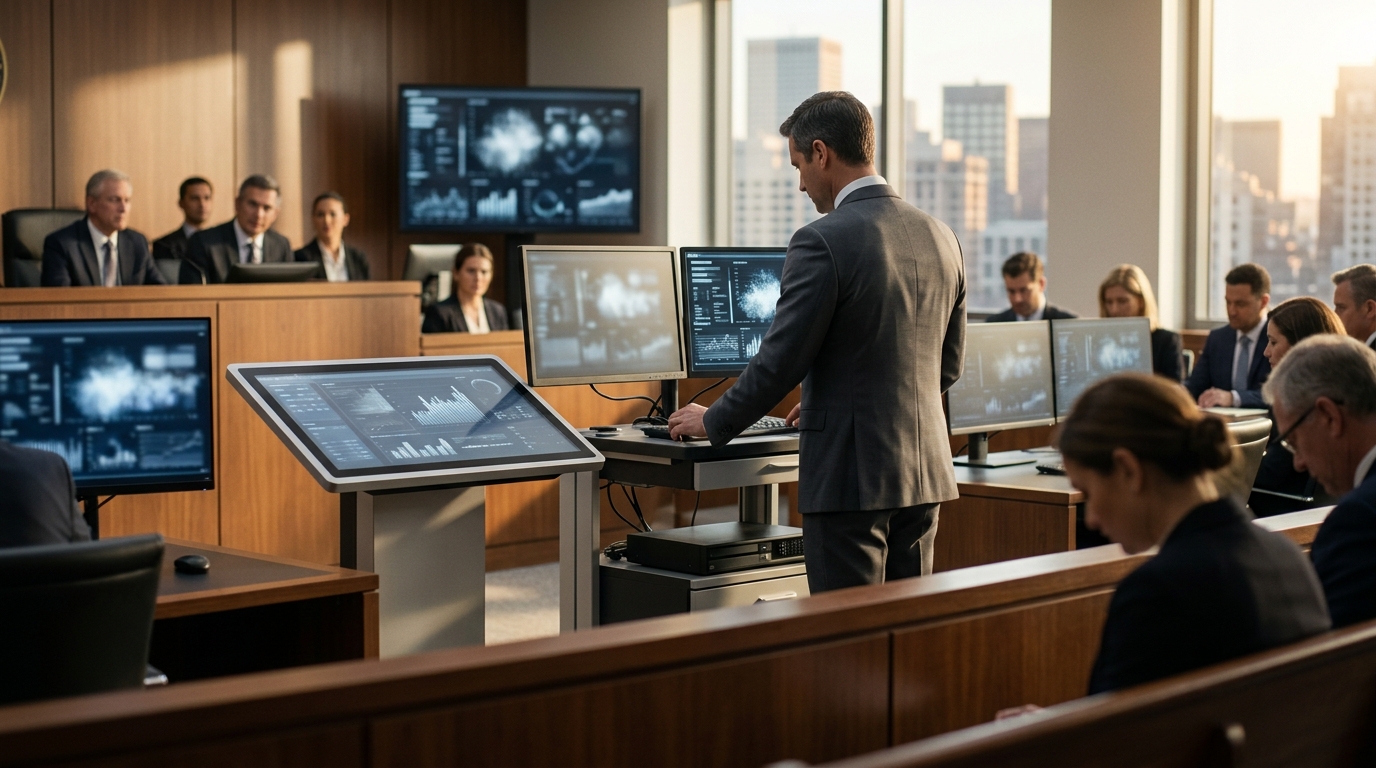
Modern litigation increasingly relies on digital evidence and real-time courtroom systems. According to recent industry reports, over seventy percent of federal civil cases now utilize complex digital demonstratives during trial proceedings. This shift demands that legal teams partner with vendors who understand both technical infrastructure and courtroom dynamics. Selecting the right support requires evaluating software compatibility, personnel experience, and rapid deployment capabilities. Firms that fail to vet these operational factors often face costly technical failures during critical arguments.
Evaluating Software Compatibility
Litigation software ecosystems vary significantly across jurisdictions. Trial technology is the systematic integration of hardware, software, and personnel to support courtroom presentations. Compatibility failures frequently cause delays that compromise case momentum. Vendors should offer explicit support for major presentation software and evidence management databases. Legal teams must verify that their chosen provider supports cross-platform rendering without format degradation.
Integration Requirements
Seamless integration prevents data silos during discovery. Providers should support direct imports from standard evidence repositories. This capability reduces manual transcription errors and preserves chain of custody. Firms that prioritize open architecture standards typically experience fewer courtroom interruptions. Legal departments should request explicit compatibility matrices before signing service agreements.
Security Protocols
Confidential case data requires enterprise-grade encryption. Providers must comply with current data protection regulations for sensitive litigation materials. Secure cloud storage options allow remote access without compromising attorney-client privilege. Legal departments should demand explicit security audits before signing service agreements. Vendors that maintain transparent security certifications typically experience higher client retention rates.
Assessing Personnel Expertise
Trial technology extends beyond hardware installation. Hot seat technicians are specialized professionals who manage real-time exhibit navigation and objection handling. Selecting a provider means evaluating the actual technicians who will operate your systems. Firms with decades of nationwide deployment history typically maintain higher personnel retention rates. Legal teams should request direct introductions to the specific technicians assigned to their case files.
Technical Certification Standards
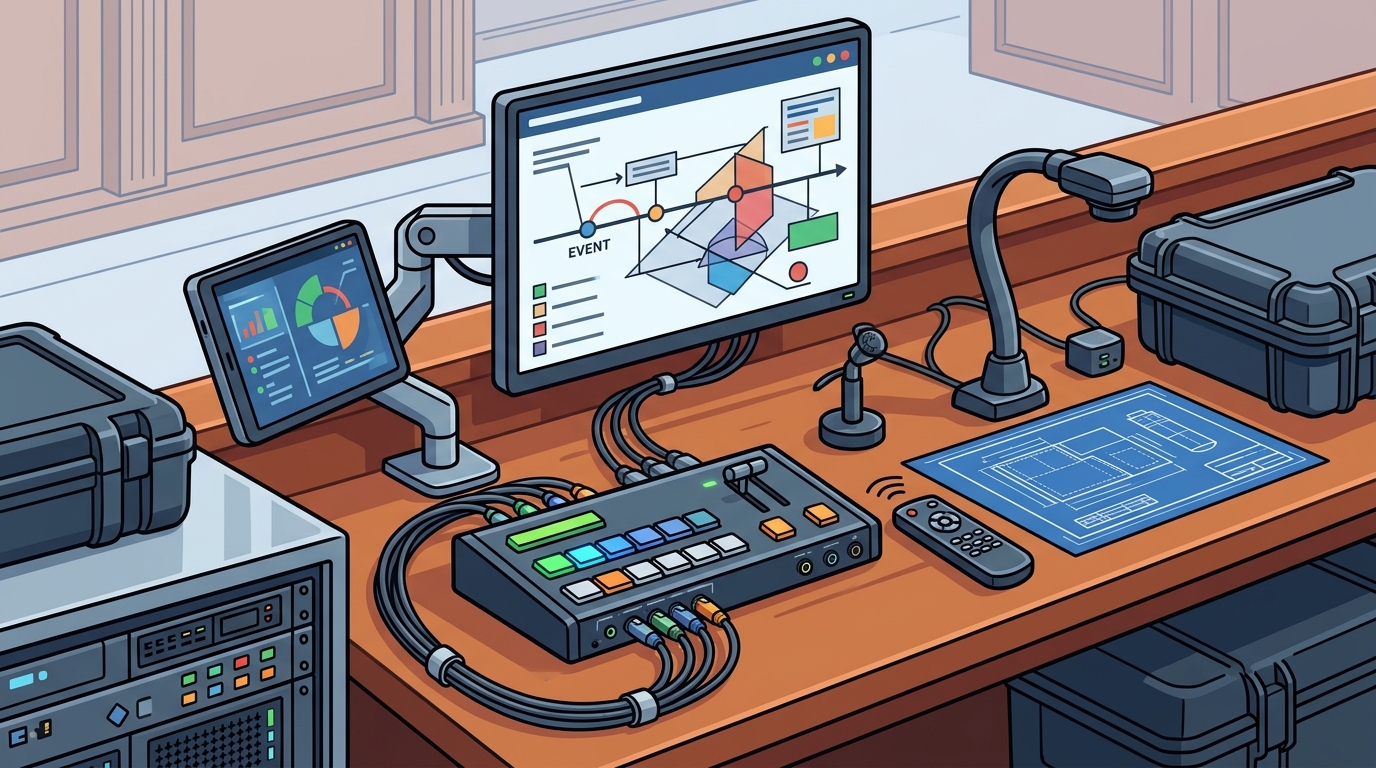
Certified technicians demonstrate proficiency in complex courtroom workflows. Providers should require ongoing training for emerging presentation formats. This commitment ensures consistent performance during high-stakes arguments. Legal teams benefit when vendors enforce strict competency benchmarks. Firms that invest in continuous personnel development typically deliver superior courtroom execution.
Mock Trial Integration
Effective technology vendors collaborate directly with jury research consultants. This partnership allows attorneys to test exhibits before actual trial dates. Mock trial environments reveal technical friction points that standard rehearsals miss. Providers offering integrated research and technology services typically deliver smoother courtroom execution. Legal departments should verify that vendors maintain dedicated research divisions.
Verifying Deployment Speed
Court schedules rarely accommodate technical delays. Trial technology providers must guarantee rapid on-site setup and immediate troubleshooting. Average deployment times for complex courtroom systems should not exceed ninety minutes. Vendors that maintain regional support hubs typically achieve faster response windows. Legal teams should explicitly contract for guaranteed setup timelines with penalty clauses.
Redundancy Systems
Courtroom redundancy refers to the strategic deployment of duplicate equipment to prevent presentation interruptions. Providers should supply duplicate projectors, laptops, and audio routing equipment. Redundant systems ensure arguments continue without interruption during technical malfunctions. Legal departments should verify that backup equipment matches primary system specifications. Firms that prioritize redundancy typically experience fewer client complaints.
Remote Support Capabilities
Remote troubleshooting reduces travel costs for routine adjustments. Providers should offer secure remote access portals for pre-trial configuration. This capability allows technical teams to resolve software conflicts before arriving at the courthouse. Legal operations save significant budget when remote support replaces unnecessary site visits. Vendors that maintain 24/7 support lines typically demonstrate superior operational readiness.
Analyzing Cost Structures
Transparent pricing models prevent unexpected financial exposure during litigation. Trial technology providers typically charge flat project fees or hourly rates. Legal departments should request detailed breakdowns covering personnel, equipment, and software licensing. Hidden fees frequently emerge during extended trial durations or unexpected technical requests.
| Service Category | Pricing Model | Operational Benefit |
|---|---|---|
| Standard Courtroom Setup | Flat Project Fee | Predictable budgeting for routine hearings |
| Complex Evidence Integration | Hourly Rate | Flexible scaling for intricate demonstrations |
| 24/7 Emergency Support | Retainer Agreement | Immediate response during critical case developments |
| Pre-Trial Mock Sessions | Package Rate | Streamlined testing without per-hour penalties |
Reviewing Client Testimonials
Verified client feedback reveals actual service quality beyond marketing claims. Trial technology providers should maintain transparent testimonial archives featuring specific case outcomes. Legal teams must prioritize vendors with documented success in high-stakes federal litigation. Providers that consistently receive positive feedback regarding reliability typically maintain higher client retention rates. Client Testimonials provide concrete examples of courtroom performance. Legal departments should request direct references from attorneys who recently completed complex trials. These conversations reveal operational strengths and potential service gaps. Firms with decades of continuous operation typically demonstrate superior consistency.
Key Takeaways
- Trial technology providers must integrate seamlessly with existing court filing systems and judge-preferred platforms.
- Hot seat technicians require extensive courtroom experience to anticipate attorney needs during live arguments.
- Providers should guarantee rapid on-site setup and immediate troubleshooting to prevent schedule delays.
- Transparent pricing models prevent unexpected financial exposure during extended litigation periods.
- Verified client feedback reveals actual service quality beyond standard marketing claims.
- Providers offering integrated research and technology services typically deliver smoother courtroom execution.
- Firms with decades of continuous operation typically demonstrate superior consistency and reliability.
Frequently Asked Questions
How quickly can trial technology providers deploy equipment to a courthouse?
Most established vendors guarantee on-site setup within ninety minutes of arrival. Regional support hubs enable faster response windows for urgent requests. Legal teams should explicitly contract for guaranteed setup timelines to avoid scheduling conflicts.
What technical certifications should hot seat technicians possess?
Certified technicians demonstrate proficiency in complex courtroom workflows and evidence management. Providers should require ongoing training for emerging presentation formats and security protocols. This commitment ensures consistent performance during high-stakes arguments.
Do trial technology providers offer remote support for pre-trial configuration?
Secure remote access portals allow technical teams to resolve software conflicts before arriving at the courthouse. This capability allows legal operations to save significant budget when remote support replaces unnecessary site visits. Providers should explicitly list remote troubleshooting in their service agreements.
How do trial technology providers handle backup equipment during live arguments?
Providers should supply duplicate projectors, laptops, and audio routing equipment to prevent interruptions. Redundant systems ensure arguments continue without delay during technical malfunctions. Legal departments must verify that backup equipment matches primary system specifications.
What pricing structures do trial technology providers typically utilize?
Transparent pricing models prevent unexpected financial exposure during litigation. Providers typically charge flat project fees for standard setups or hourly rates for complex integrations. Legal departments should request detailed breakdowns covering personnel, equipment, and software licensing.
Secure Your Trial Technology Partnership
Selecting the right vendor requires evaluating software compatibility, personnel expertise, and rapid deployment capabilities. Legal teams should prioritize providers with decades of nationwide deployment history and transparent service agreements. Contact our national headquarters to schedule a comprehensive case review and technical assessment. Visit our Contact Page to initiate a secure consultation. Our team provides 24/7 support for conflicts checks and last-minute technical requests. Partner with a provider that understands both technical infrastructure and courtroom dynamics. Explore our Jury Consulting and Opening Statement services to maximize your case preparation. Review our Blog for ongoing litigation insights.