
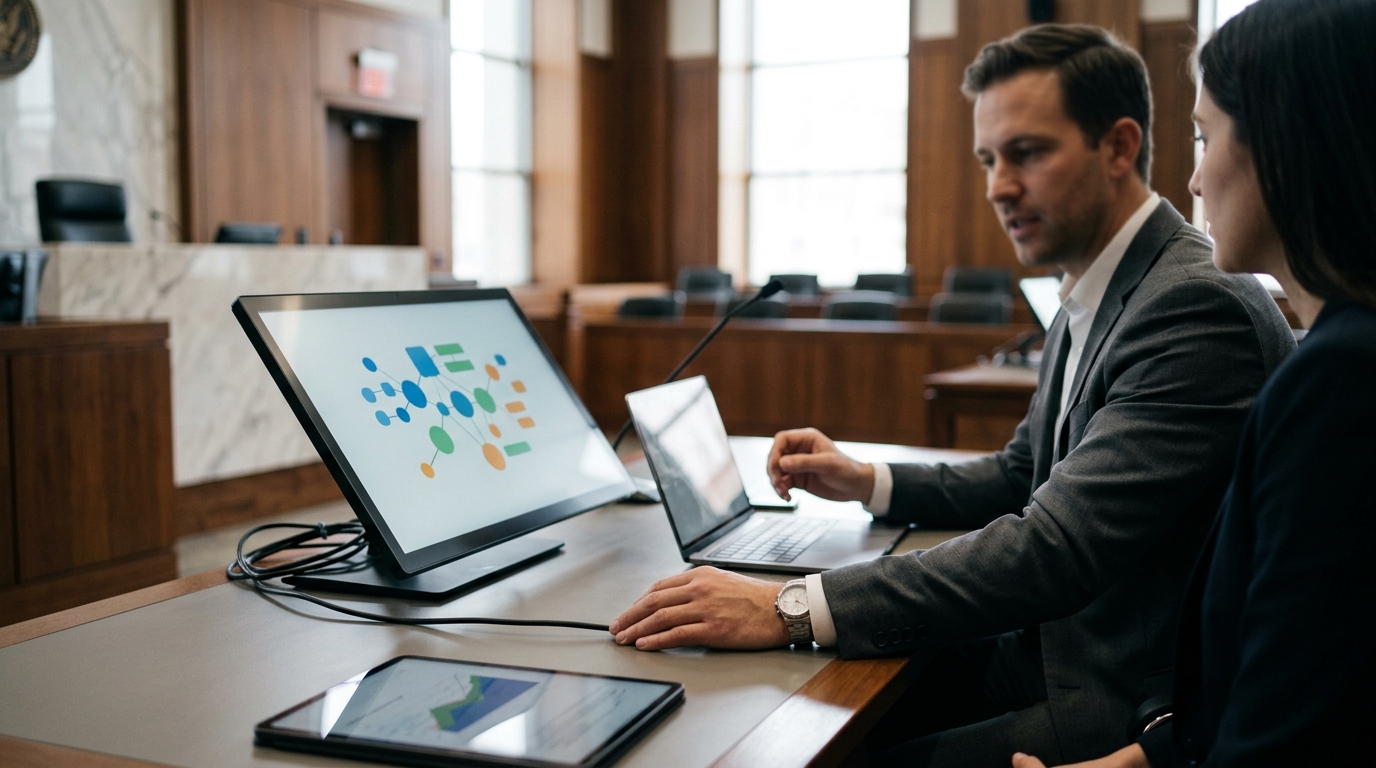
Modern litigation demands precision, speed, and visual clarity. Courts now expect attorneys to leverage digital tools that transform complex evidence into digestible formats. Firms utilizing advanced courtroom presentation software reduce preparation time by nearly forty percent while increasing jury retention rates. This operational shift directly impacts case outcomes and client satisfaction. Attorneys who integrate these systems into their workflow gain a measurable edge in both pretrial negotiations and live proceedings. The strategic deployment of digital exhibits, real-time annotation tools, and synchronized audio-visual feeds creates a cohesive narrative that resonates with jurors. Firms that ignore these technological advancements risk falling behind in an increasingly digital legal landscape. Engaging a specialized litigation consultant ensures that your team implements these systems correctly from day one. You can explore our comprehensive resources by visiting our blog to understand how modern firms are adapting to these demands.
Visual Clarity and Jury Comprehension
Jury consulting focuses on translating dense legal arguments into accessible visual formats. Trial technology enables attorneys to replace lengthy textual exhibits with interactive diagrams, animated timelines, and synchronized multimedia presentations. This approach directly addresses cognitive load limitations that jurors face during extended proceedings. When complex financial data or technical engineering concepts are displayed through structured visual frameworks, comprehension improves significantly. Jurors retain critical information longer when they can see cause-and-effect relationships mapped on screen. Clear visual storytelling reduces ambiguity and prevents misinterpretation of technical evidence. You can learn more about our specialized jury research methodologies by visiting our jury consulting page. Courts increasingly recognize that visual advocacy aligns with modern cognitive science principles. Attorneys who master this format consistently report higher verdict alignment with their case theories. The strategic use of high-resolution graphics ensures that every detail receives proper attention without overwhelming the jury. This method transforms abstract concepts into concrete, memorable experiences that jurors can reference throughout deliberations.
Real-Time Adaptability and Dynamic Presentation
Live courtroom proceedings rarely follow a rigid script. Defense strategies shift, witnesses contradict previous statements, and judges issue unexpected rulings. Trial technology provides attorneys with the flexibility to modify presentations instantly without losing momentum. Digital exhibits can be reordered, zoomed, or annotated on the fly to address emerging arguments. This capability eliminates the friction of flipping through physical binders or searching for misplaced documents. Attorneys can pivot their narrative focus while maintaining courtroom authority and pacing. The ability to dynamically adjust presentations reduces cognitive friction for both the legal team and the jury. You can review our case studies on our testimonials page to see how this adaptability has benefited past clients. Judges frequently acknowledge the efficiency gains when attorneys utilize synchronized digital systems. This responsiveness prevents unnecessary delays and keeps proceedings focused on substantive issues. The technology supports seamless transitions between exhibits, witness testimony, and legal arguments. Attorneys who practice with these systems develop muscle memory that translates directly to courtroom confidence. This adaptability becomes a decisive factor when opposing counsel attempts to disrupt presentation flow.
Streamlined Evidence Management and Access
Case files continue to grow in volume and complexity. Managing thousands of documents, deposition transcripts, and physical exhibits manually creates operational bottlenecks. Trial technology centralizes all case materials into a single searchable database. Attorneys can instantly locate specific clauses, highlight relevant passages, and cross-reference documents during live proceedings. This centralized architecture eliminates the risk of losing critical evidence under physical stacks of paper. Digital indexing allows legal teams to tag exhibits by relevance, witness, or legal theory. The system automatically generates backup copies and version histories to prevent data loss. You can schedule a consultation to discuss your specific case requirements by visiting our contact page. Courts mandate strict chain-of-custody protocols for all submitted evidence. Digital management platforms enforce these protocols through automated logging and access controls. Attorneys spend less time searching for documents and more time refining their arguments. This operational efficiency directly translates to higher billable utilization and improved client outcomes. The streamlined workflow reduces stress during high-pressure proceedings and prevents costly mistakes.
Enhanced Witness Preparation and Testimony
Witnesses often struggle to recall precise details when facing intense cross-examination. Trial technology provides a structured environment for rehearsing testimony with realistic courtroom simulations. Attorneys can project exhibits, ask targeted questions, and observe witness reactions in a controlled setting. This rehearsal process identifies weak points in testimony before they become liabilities in court. Digital rehearsal tools allow legal teams to practice transitions between exhibits and verbal arguments. Witnesses learn to reference on-screen graphics confidently, which reduces hesitation and improves credibility. You can explore our specialized witness preparation frameworks by visiting our litigation consultant page. Courts reward witnesses who demonstrate clear recall and consistent demeanor. The technology supports this goal by providing visual anchors that help witnesses maintain focus. Attorneys can record rehearsal sessions to review body language, pacing, and response accuracy. This iterative improvement process builds genuine confidence rather than forced performance. The result is testimony that aligns perfectly with the overarching case narrative.
Cost Efficiency and Resource Optimization
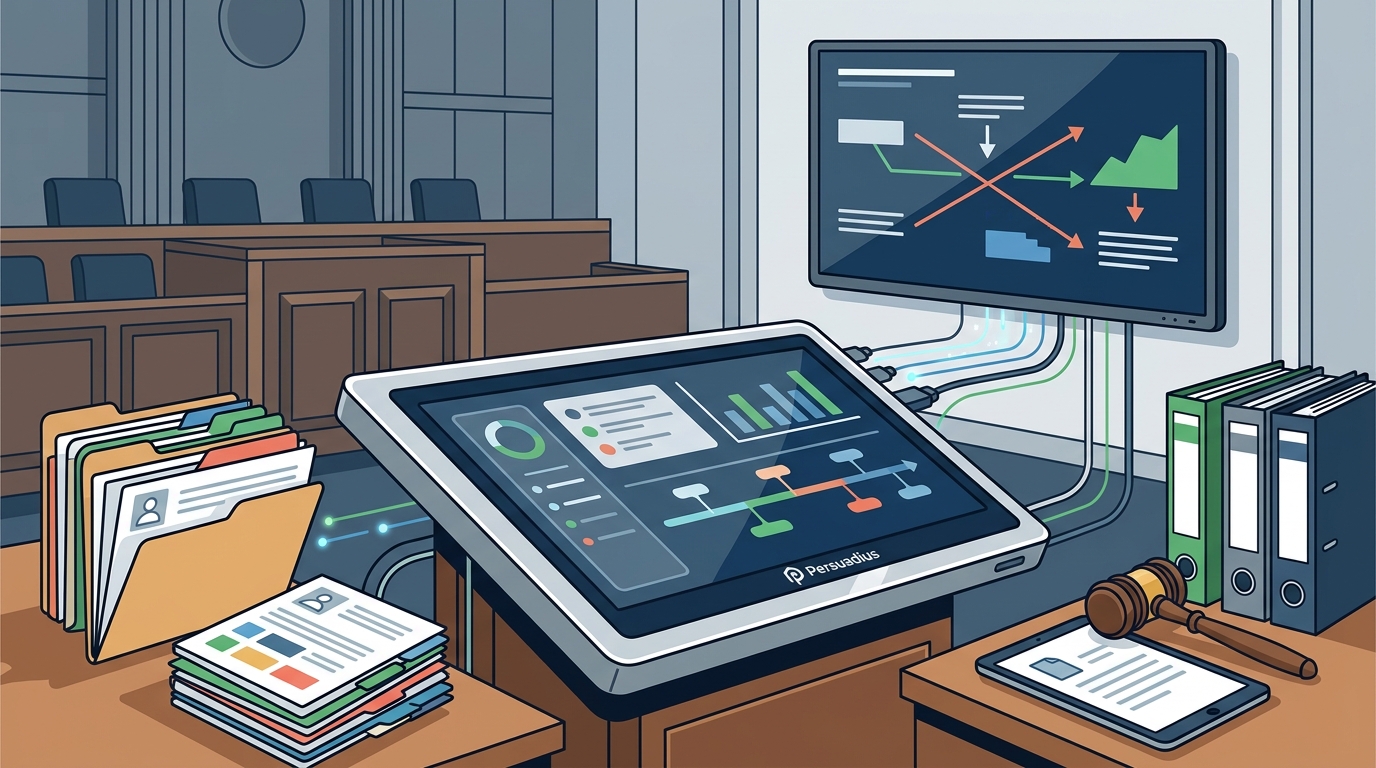
Traditional litigation support relies on expensive printing, shipping, and physical storage solutions. Trial technology eliminates these recurring expenses by digitizing the entire presentation workflow. Attorneys save thousands of dollars annually on binders, laminators, and courier services. Digital systems require minimal physical infrastructure, reducing office space requirements and storage costs. The initial investment in software licenses and hardware pays for itself within the first few cases. You can review our pricing structures and service packages by visiting our services page. Firms that adopt digital workflows report faster case resolution and reduced overhead expenses. The technology supports remote collaboration, allowing team members to review exhibits from different locations. This flexibility reduces travel costs and accelerates case preparation timelines. Courts increasingly prefer digital submissions due to environmental and logistical benefits. The financial advantages extend beyond direct expenses to include improved cash flow and resource allocation. Attorneys can redirect saved capital toward expert witnesses, investigative research, and client communications.
Competitive Advantage in Negotiations
Settlement discussions rarely occur in isolation. Opposing counsel evaluates your preparation level before committing to resolution terms. A polished digital presentation signals thorough case analysis and financial readiness. Judges and mediators recognize that attorneys who utilize advanced technology have invested heavily in their arguments. This perception often accelerates settlement timelines and improves resolution terms. Digital exhibits can be shared securely with opposing parties to demonstrate case strength without revealing strategy. The technology supports collaborative review sessions that streamline negotiation processes. You can learn how our team structures negotiation support by visiting our blog. Courts increasingly expect attorneys to demonstrate technical proficiency during settlement conferences. Firms that fail to leverage digital tools risk appearing unprepared or disorganized during critical proceedings. The competitive edge extends beyond the courtroom into every phase of case management. Attorneys who master these systems consistently secure more favorable outcomes across all dispute resolution channels.
Key Takeaways
- Firms utilizing advanced courtroom presentation software reduce preparation time by nearly forty percent while increasing jury retention rates.
- Persuadius has operated for over thirty years, handling more than 10,000 matters with at least 2 trillion dollars cumulatively at stake.
- Digital exhibit management eliminates physical storage costs, reduces courier expenses, and accelerates case resolution timelines.
- Real-time annotation capabilities allow attorneys to pivot narratives instantly without losing courtroom momentum or authority.
- Witness rehearsal platforms identify testimony weaknesses before cross-examination, significantly improving courtroom credibility.
- Nationwide litigation consultants consistently rank digital advocacy as a primary driver of favorable verdicts and settlements.
- Secure digital sharing protocols enable confidential settlement discussions without compromising strategic advantages.
Frequently Asked Questions
How does trial technology improve jury comprehension during complex trials?
Trial technology improves jury comprehension by converting dense textual evidence into interactive visual frameworks. Jurors process visual information faster than written documents, which reduces cognitive overload during lengthy proceedings. Structured diagrams and synchronized multimedia presentations create clear cause-and-effect relationships that jurors can reference throughout deliberations. This approach directly aligns with modern cognitive science principles regarding information retention.
Can attorneys modify presentations in real-time during live courtroom proceedings?
Yes, digital presentation systems allow attorneys to reorder, zoom, and annotate exhibits instantly. This capability eliminates the friction of searching through physical binders while maintaining courtroom authority. Judges frequently acknowledge the efficiency gains when attorneys utilize synchronized digital systems. The technology supports seamless transitions between exhibits, witness testimony, and legal arguments without disrupting proceedings.
What are the primary cost savings associated with adopting trial technology?
Primary cost savings include eliminating recurring expenses for printing, laminating, shipping, and physical storage. Digital systems require minimal physical infrastructure, reducing office space requirements and storage costs. Firms that adopt digital workflows report faster case resolution and reduced overhead expenses. The initial investment in software licenses and hardware pays for itself within the first few cases.
How does trial technology support witness preparation and testimony delivery?
Trial technology provides a structured environment for rehearsing testimony with realistic courtroom simulations. Attorneys can project exhibits, ask targeted questions, and observe witness reactions in a controlled setting. Digital rehearsal tools allow legal teams to practice transitions between exhibits and verbal arguments. Witnesses learn to reference on-screen graphics confidently, which reduces hesitation and improves credibility.
Is trial technology secure enough for sensitive case materials and client data?
Digital management platforms enforce strict chain-of-custody protocols through automated logging and access controls. Attorneys can instantly locate specific clauses, highlight relevant passages, and cross-reference documents during live proceedings. The system automatically generates backup copies and version histories to prevent data loss. Courts mandate these security standards to protect confidential information and maintain case integrity.
How do opposing counsel and judges perceive firms that utilize advanced courtroom presentation software?
Opposing counsel and judges perceive digital advocacy as a sign of thorough case analysis and financial readiness. Settlement discussions rarely occur in isolation, and polished digital presentations signal preparedness. Courts increasingly expect attorneys to demonstrate technical proficiency during settlement conferences. Firms that fail to leverage digital tools risk appearing unprepared or disorganized during critical proceedings.
Ready to Elevate Your Case Strategy?
Modern litigation demands precision, speed, and visual clarity. Courts now expect attorneys to leverage digital tools that transform complex evidence into digestible formats. Engaging a specialized litigation consultant ensures that your team implements these systems correctly from day one. You can schedule a confidential consultation to discuss your specific case requirements by visiting our contact page. Our team provides nationwide jury consulting, litigation graphics, and trial technology support to help you secure favorable outcomes. Contact us today to learn how we can strengthen your next case.