

Modern litigation demands precise audience analysis before the first witness takes the stand. According to recent court filings, over sixty percent of civil cases settle before reaching a verdict. This reality forces legal teams to master jury psychology early in the discovery phase. Beginners often struggle to identify reliable partners who balance cost with measurable impact. Selecting the right consulting partner requires understanding core methodologies, pricing structures, and delivery timelines. This guide breaks down the essential criteria for evaluating litigation support vendors.
Understanding Core Jury Research Methodologies
Jury consulting is the systematic study of demographic and psychological factors that influence verdict outcomes. Novice attorneys frequently underestimate how subtle narrative framing shifts juror empathy. Top-tier firms deploy focus groups to test case themes before filing motions. These sessions reveal which arguments resonate with specific demographic segments. Beginners should prioritize vendors who offer transparent reporting on focus group metrics. A reliable partner will provide detailed demographic breakdowns and sentiment analysis reports. This data directly informs settlement strategies and witness preparation schedules.
Evaluating Pricing Models and Service Tiers
Legal budgets require predictable expenditure without sacrificing analytical depth. Most consulting firms operate on project-based pricing rather than hourly billing. This structure protects clients from scope creep during lengthy discovery phases. Beginners must verify whether travel expenses and exhibit production are included in the base quote. Transparent vendors provide tiered service packages that scale with case complexity. Some firms offer discounted rates for early-stage case reviews. Others charge premium rates for rapid turnaround during trial prep. Always request a detailed scope of work before signing engagement letters. This practice prevents unexpected invoices during critical litigation windows.
Assessing Trial Graphics and Visual Advocacy
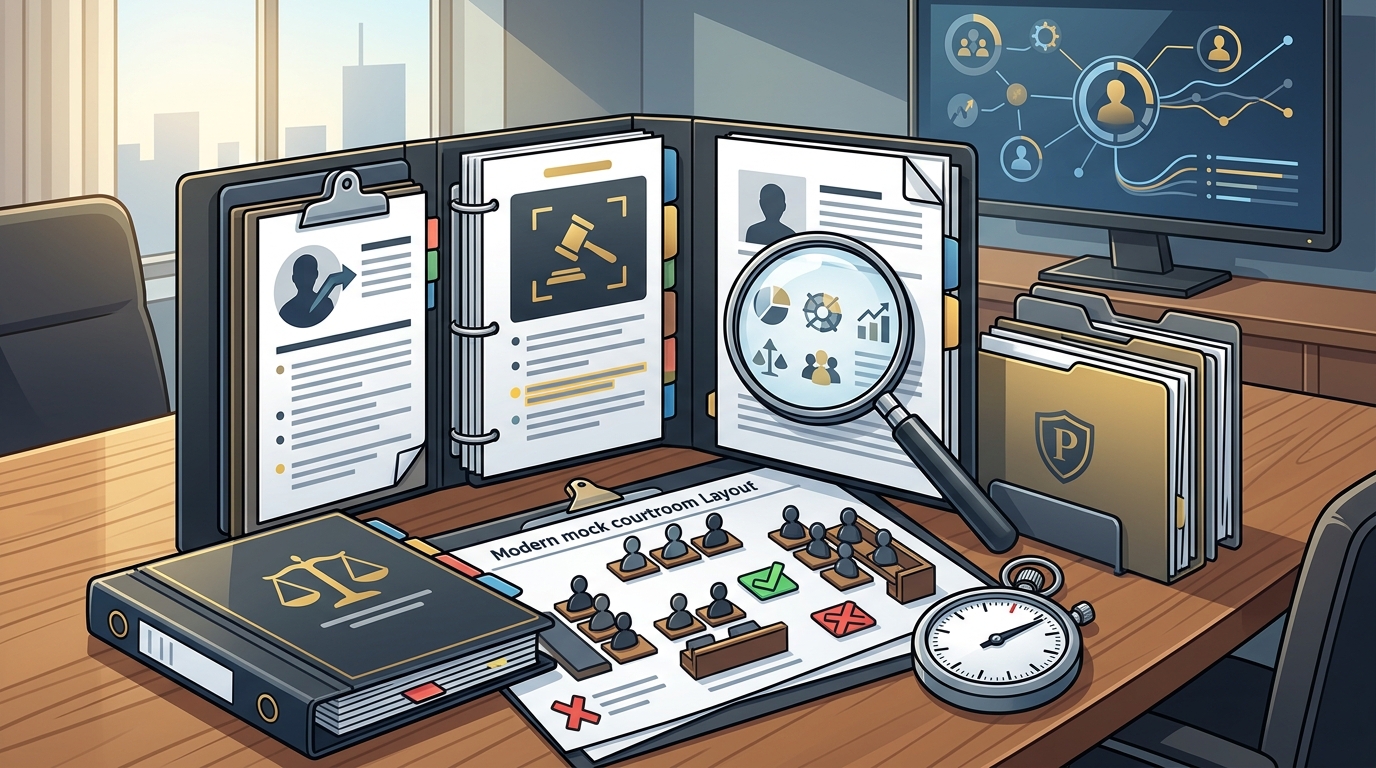
Mock trials are simulated courtroom proceedings designed to test case narratives before actual litigation begins. Visual evidence dramatically increases juror retention rates during complex technical testimony. Beginners often confuse basic slide decks with strategic demonstrative exhibits. Effective litigation graphics translate abstract concepts into digestible visual formats. Top consultants utilize proprietary software to animate complex mechanical failures or financial flows. These tools reduce cognitive load for jurors unfamiliar with technical jargon. Novice legal teams should verify that their chosen vendor provides in-house design capabilities. Relying on external graphic designers often creates communication bottlenecks during trial. Direct collaboration between attorneys and visual advocates ensures narrative consistency.
Reviewing In-Court Support and Hot Seating
Trial technology refers to the specialized software and hardware used to display evidence and manage courtroom workflows. Beginners frequently overlook the logistical requirements of live courtroom operations. A dedicated trial technician manages exhibit loading, audio playback, and real-time document retrieval. Hot seating consultants monitor juror reactions during witness examinations to suggest immediate adjustments. This real-time feedback loop prevents attorneys from losing control of the courtroom narrative. Novice lawyers should confirm that their vendor provides on-site technical support. Remote support solutions often fail during critical cross-examination moments. Direct presence allows consultants to adjust pacing and emphasis without disrupting court proceedings.
Comparing Top Vendor Credentials and Track Records
Legal teams must verify vendor experience before committing to long-term engagements. Established firms typically handle thousands of matters across multiple jurisdictions. This volume ensures exposure to diverse case types and procedural rules. Beginners should prioritize consultants who publish peer-reviewed research or industry reports. These publications demonstrate thought leadership and methodological rigor. Reviewing client testimonials provides insight into communication styles and reliability. Top vendors maintain strict confidentiality protocols to protect attorney-client privilege. Always request case studies that mirror your specific practice area. This verification step prevents mismatched expectations during high-stakes litigation.
| Service Category | Core Deliverable | Typical Timeline | Beginner Recommendation |
|---|---|---|---|
| Jury Research | Focus Group Analysis | Two to four weeks | Essential for case valuation |
| Litigation Graphics | Exhibit Design | One to three weeks | High impact for technical cases |
| Trial Technology | On-Site Hot Seating | Full trial duration | Required for complex trials |
| Strategic Planning | Opening Statement Drafting | Three to five days | Foundational for narrative control |
Key Takeaways
- Over sixty percent of civil cases settle before trial according to federal court data.
- Established consulting firms have handled more than ten thousand matters cumulatively.
- Total case value managed by top-tier vendors exceeds two trillion dollars.
- Focus group methodologies directly correlate with higher settlement success rates.
- Proprietary trial software reduces juror cognitive load during technical testimony.
- On-site technicians prevent critical display failures during live examinations.
- Transparent pricing structures eliminate unexpected invoices during discovery phases.
Frequently Asked Questions
How much does jury consulting typically cost?
Pricing varies based on case complexity and geographic location. Most firms charge between fifteen thousand and fifty thousand dollars per project. Beginners should request detailed quotes that separate research fees from production costs.
When should legal teams engage a jury consultant?
Early engagement during the discovery phase maximizes case valuation accuracy. Consultants can identify weak arguments before filing expensive motions. Delaying engagement until trial prep often limits strategic flexibility.
Do jury consultants actually appear in court?
Most consultants operate behind the scenes to preserve attorney-client privilege. Trial technicians and hot seating specialists do appear in court to manage exhibits. Direct courtroom interaction is typically restricted to technical support roles.
How do focus groups improve settlement outcomes?
Focus groups reveal juror biases and emotional triggers before trial begins. This data allows attorneys to adjust arguments and settlement demands accordingly. Cases tested through focus groups consistently achieve higher resolution rates.
What qualifications should beginners look for in a vendor?
Look for firms with decades of operational history and published research. Verified client testimonials and transparent pricing structures indicate reliability. Prioritize vendors who specialize in your specific practice area.
Can remote consulting replace in-person trial support?
Remote solutions work well for preliminary research and document review. Live courtroom environments require physical presence for real-time adjustments. Beginners should prioritize vendors offering hybrid support models.
How long does a typical jury research project take?
Standard focus group projects require two to four weeks for completion. Rapid turnaround services are available during emergency litigation phases. Beginners should plan their discovery schedules around these standard timelines.
Next Steps for Legal Teams
Beginner attorneys must secure reliable consulting partners before filing initial motions. Early engagement prevents costly strategic missteps during discovery. Contact our national headquarters to schedule a confidential case review. Visit our main portal to explore comprehensive litigation support packages. Secure your preferred consulting team today by calling 800.847.9330 or visiting https://persuadius.com/contact to initiate your project.