
Advantages of Using Trial Technology in a Court Case
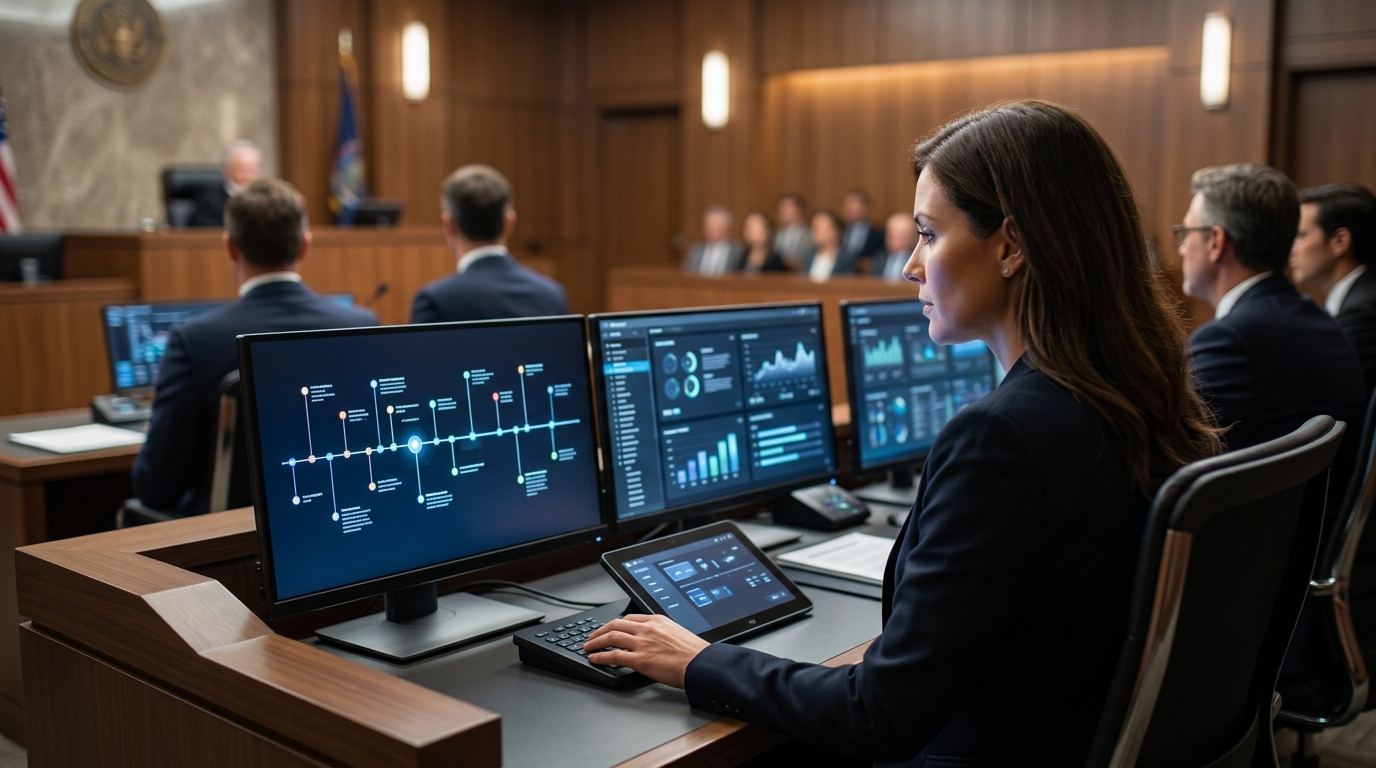
Modern courtrooms have evolved far beyond paper exhibits and easel boards. Trial technology is the suite of digital tools, software, and hardware used to organize, present, and manage evidence during litigation. From hot-seat operators running real-time exhibit displays to 3D animations that reconstruct an accident scene, technology has become an essential strategic asset for trial teams. Whether you are preparing for a high-stakes patent dispute or a complex commercial case, understanding the advantages of trial technology can mean the difference between a persuasive presentation and a forgettable one. Below, we break down the key benefits every litigator should know.
1. Enhanced Juror Engagement and Retention
Today's jurors grew up with screens. Research shows that approximately two-thirds of people are visual learners who retain information best when it is presented visually. Trial technology leverages this by delivering exhibits, animations, and annotated documents directly to courtroom monitors.
Retention rates tell a compelling story. According to cognitive research, people remember only about 10% of audio-only information after 72 hours, but combining audio and visual forms pushes retention to 65%. When jurors remember your evidence during deliberations, your case is stronger. Persuadius helps litigators achieve this through trial graphics that simplify complexity and sharpen narrative.
2. Greater Courtroom Efficiency
Judges value efficiency, and jurors lose focus during long pauses. Trial technology eliminates the fumbling associated with paper exhibits. A hot-seat operator is a courtroom technician who manages trial presentation software so that the display of depositions and documentary evidence is seamless. With quick keyword searches and instant exhibit retrieval, digital document management keeps proceedings moving.
Persuadius provides experienced trial technicians who manage all courtroom technology so attorneys can focus entirely on advocacy. This streamlined approach saves valuable courtroom time and keeps the jury attentive.
3. Simplifying Complex Evidence
Patent disputes, antitrust claims, and financial fraud cases involve evidence that can overwhelm a lay audience. Trial technology transforms abstract data into intuitive visuals. Timelines, interactive charts, and 3D models help jurors grasp complicated relationships quickly.
Expert Witness Support
Expert witnesses frequently testify about mathematical equations, financial data, or structural designs. Persuadius creates visual presentations that support expert witness testimony, translating complex concepts into formats juries can follow without sacrificing accuracy.
Litigation Graphics as Persuasion Tools
Litigation graphics are visual tools that explain and communicate complex concepts or abstract ideas in the courtroom. Studies confirm that immersive use of graphics during courtroom presentations yields the best results. Well-designed visuals do not just inform; they persuade.
4. Boosting Attorney Credibility
A polished digital presentation signals thorough preparation. Research published in the National Law Review notes that strategic visual design helps jurors recall evidence and advocate for your client during deliberations. Conversely, fumbling with paper or outdated overhead projectors can undermine even the strongest legal argument.
As the American Bar Association has observed, courtroom tech offers advantages beyond just looking modern; it helps attorneys make a stronger case than ever. When you invest in professional trial technology, you show the jury you take the case seriously.
5. Real-Time Flexibility During Trial
Trials are unpredictable. A witness may give unexpected testimony, or opposing counsel may introduce a surprise exhibit. Trial presentation software allows attorneys to call up any document instantly, annotate exhibits on the fly, and pivot strategy without delay.
Persuadius trial technicians handle exhibit presentation, video depositions, and real-time adjustments so the legal team can respond to courtroom developments immediately. This agility is impossible with static paper exhibits.
6. Cost and Time Savings
While trial technology requires an upfront investment, it reduces expenses in several areas. Digital exhibits eliminate printing and shipping costs for thousands of pages. Electronic briefs, or e-briefs, are digital files that facilitate the presentation of legal arguments to courts and clients. Persuadius offers e-brief services that convert paper briefs into portable digital formats stored on flash drives or iPads.
Shorter trial times also mean lower daily courtroom costs and reduced attorney hours. According to the Office of Justice Programs, technology advantages include savings in transportation and personnel costs as well as reductions in waiting times.
7. Trial Technology vs. Traditional Presentation Methods
| Factor | Traditional Methods | Trial Technology |
|---|---|---|
| Exhibit retrieval speed | Minutes (manual search) | Seconds (keyword search) |
| Juror retention (72 hrs) | ~10% (audio only) | Up to 65% (audio + visual) |
| Real-time annotation | Not possible | Instant on-screen markup |
| Printing and shipping costs | High for large document sets | Minimal with digital exhibits |
| Flexibility to mid-trial changes | Limited | Seamless pivoting |
| Juror perception of preparation | Neutral | Signals thoroughness |
The comparison makes it clear: trial technology offers measurable advantages at virtually every stage of courtroom presentation. Firms that rely solely on traditional methods risk falling behind the expectations of modern jurors.
Key Takeaways
- Approximately two-thirds of jurors are visual learners, making digital exhibits critical for retention and persuasion.
- Hot-seat operators and trial presentation software keep proceedings efficient and judges satisfied.
- Litigation graphics transform complex evidence into intuitive visuals that jurors remember during deliberations.
- Polished courtroom technology boosts attorney credibility and signals thorough case preparation.
- Real-time flexibility lets trial teams adapt instantly to unexpected developments.
- Digital exhibits and e-briefs reduce printing, shipping, and overall trial costs.
- Firms like Persuadius bring over 30 years of experience across more than 10,000 cases to courtroom technology engagements.
Frequently Asked Questions
What is trial technology?
Trial technology is the collection of digital hardware, software, and services used to organize, manage, and present evidence in a courtroom. It includes tools like TrialDirector, Sanction, courtroom monitors, and video synchronization systems.
How does trial technology improve juror understanding?
Visual exhibits, animations, and annotated documents tap into the way most people naturally process information. Studies show combining audio and visual evidence can boost juror retention to 65% compared to just 10% for audio alone.
What does a hot-seat operator do during trial?
A hot-seat operator is a trained trial technician who runs presentation software in real time, displaying exhibits, deposition clips, and documents on courtroom screens as the attorney directs. Persuadius provides deeply experienced hot-seat operators nationwide.
Is trial technology only useful for large cases?
No. While complex patent or antitrust cases see obvious benefits, even smaller matters benefit from faster exhibit management, enhanced juror engagement, and a more professional courtroom presence.
When should a trial team engage a trial technology provider?
The earlier, the better. Engaging a provider during pre-trial preparation allows time to build a cohesive visual strategy, test graphics in mock trial presentations, and ensure all technology is courtroom-ready.
How much does trial technology cost?
Costs vary based on case complexity, trial length, and the scope of services. However, the investment often pays for itself through reduced printing expenses, shorter trial timelines, and stronger jury outcomes. Learn more about Persuadius litigation services.
Can trial technology be used in arbitration and mediation?
Absolutely. Digital presentations are equally effective in arbitration hearings, mediations, and appellate arguments. Clear visuals help decision-makers at every stage of dispute resolution.
What if the courtroom lacks modern AV equipment?
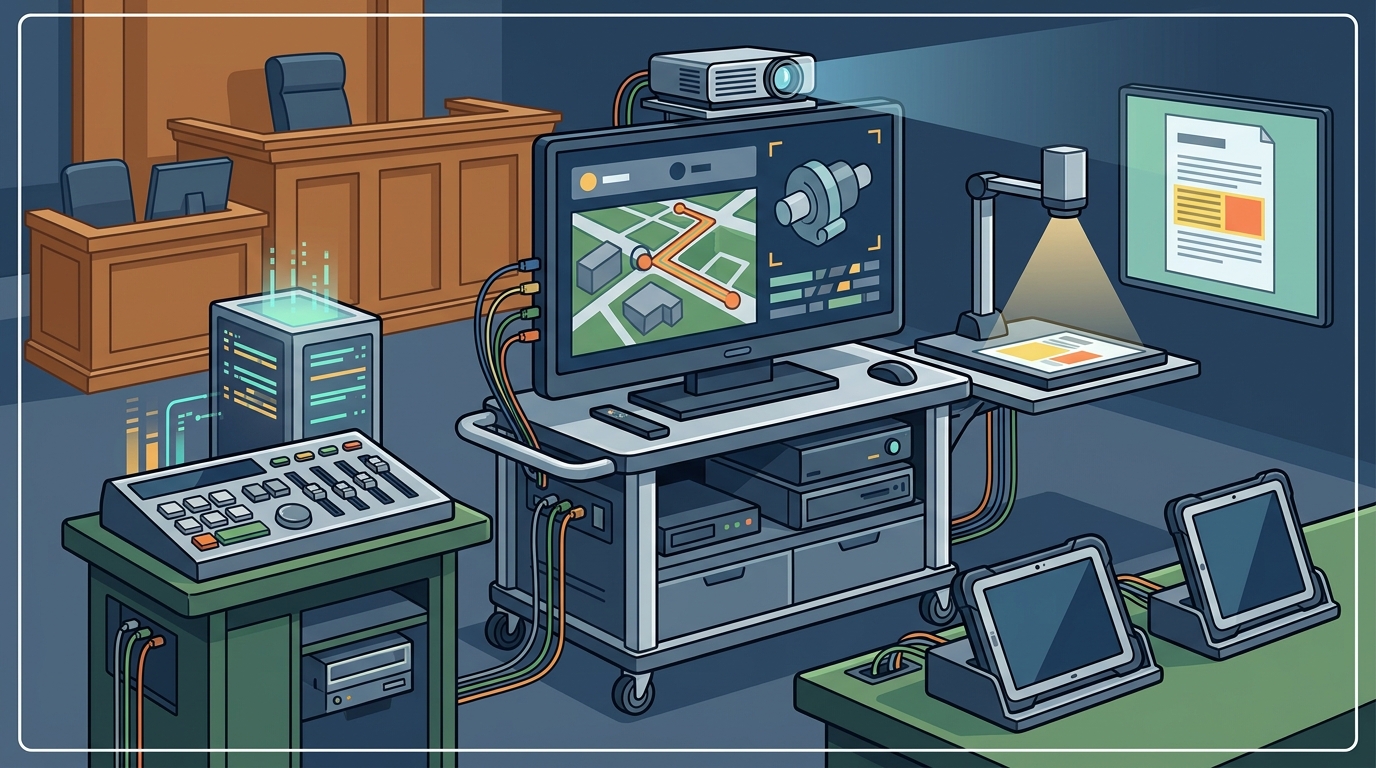
Experienced trial technology providers bring their own equipment, including monitors, projectors, and sound systems. Persuadius offers complete equipment rental and setup to ensure your presentation runs flawlessly in any venue.
Ready to Strengthen Your Next Courtroom Presentation?
With over 30 years of experience and more than 10,000 cases handled, Persuadius delivers trial technology, litigation graphics, and jury consulting that give your trial team a decisive advantage. Contact Persuadius today to schedule a consultation and discover how professional trial technology support can transform your next case.